All Guides
Every tutorial, technique deep-dive, and tool guide on the site.
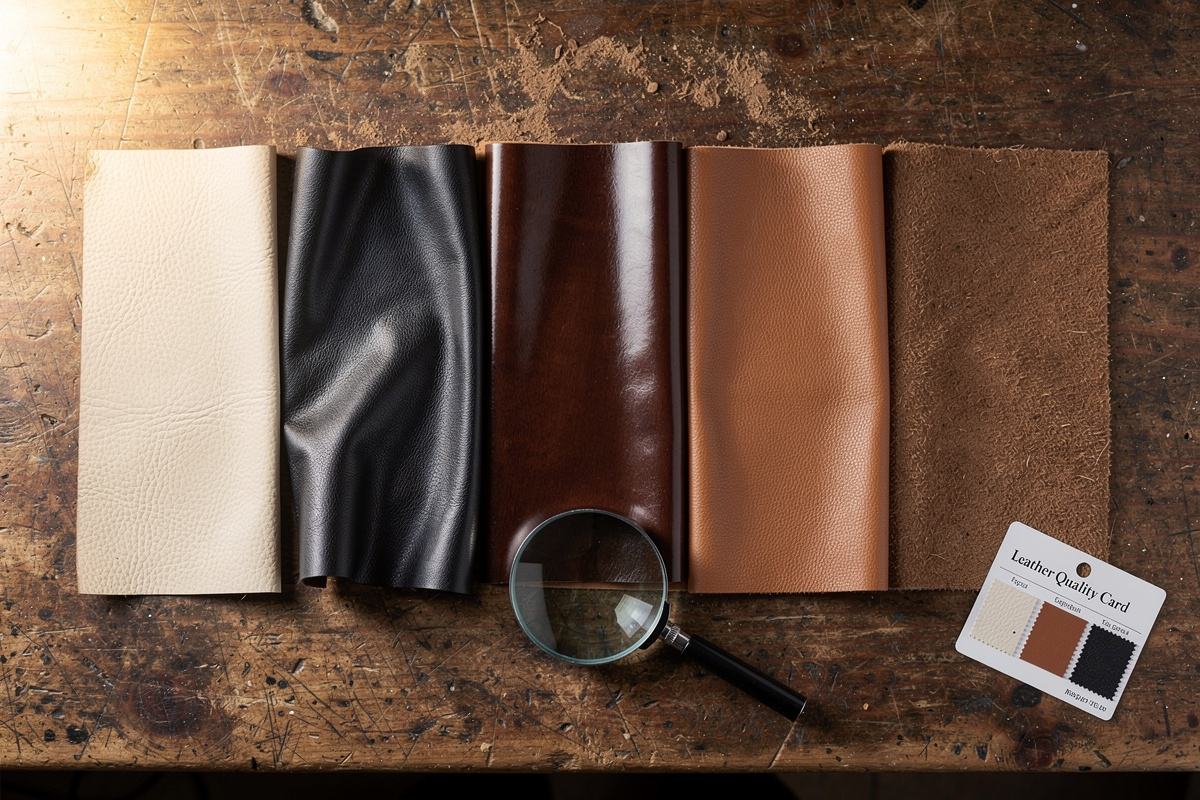
Types of Leather: The Tannage, Grade, and Weight Guide
Leather types are categorized along three independent axes: tannage (vegetable, chrome, combination, brain), grade (full grain, top grain, genuine, bonded), and weight (1 ounce thin lining stock through…

Leather Hardware Guide: Rivets, Snaps, Buckles, Setting
Leather hardware is the small metal kit — rivets, snaps, buckles, screws, eyelets, and D-rings — that turns a stitched leather piece into a usable object. The right…
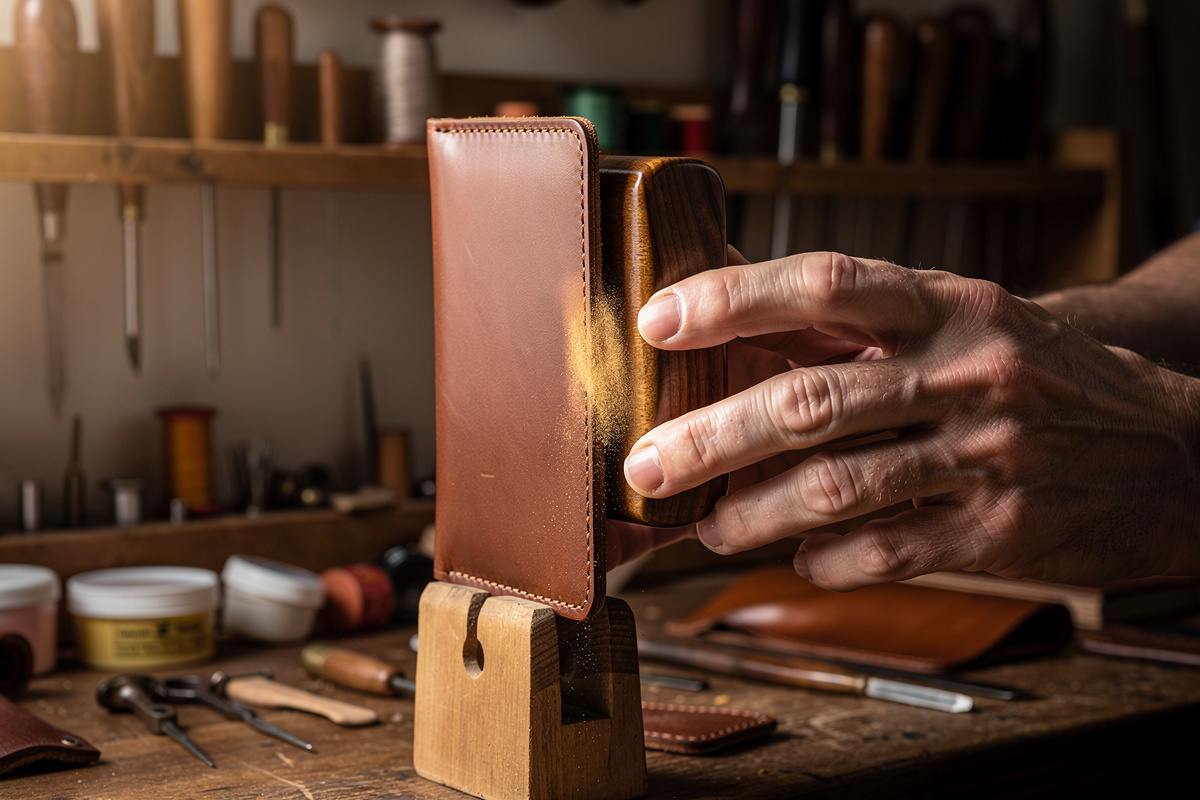
Leather Edge Finishing: The Bevel-to-Burnish Guide
Leather edge finishing is the four-step sequence that turns a fuzzy, fibrous cut edge into a smooth, dark, slightly rounded surface that signals craftsmanship at first glance. The…
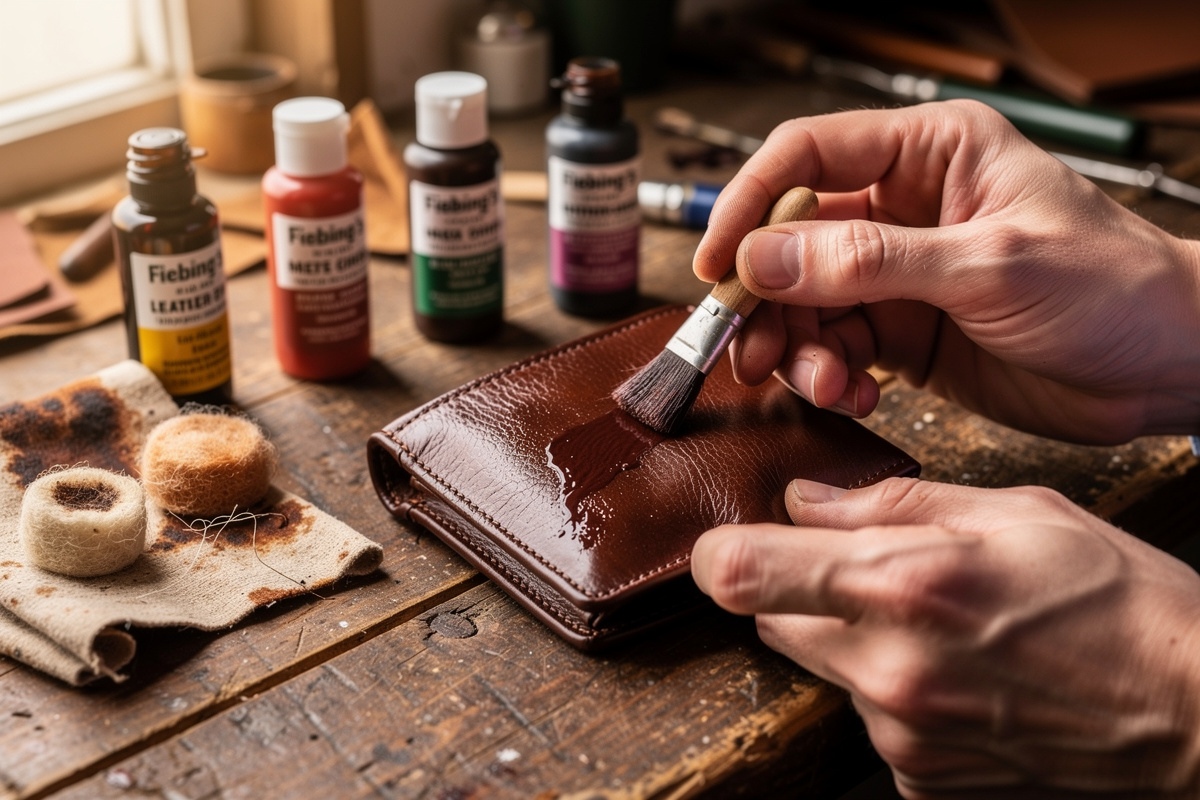
Leather Dyeing: The Complete Veg-Tan Guide
Leather dyeing transforms natural-tan vegetable leather into any color from honey amber to jet black using one of three dye chemistries: alcohol-based, oil-based, or water-based acrylic. The most…
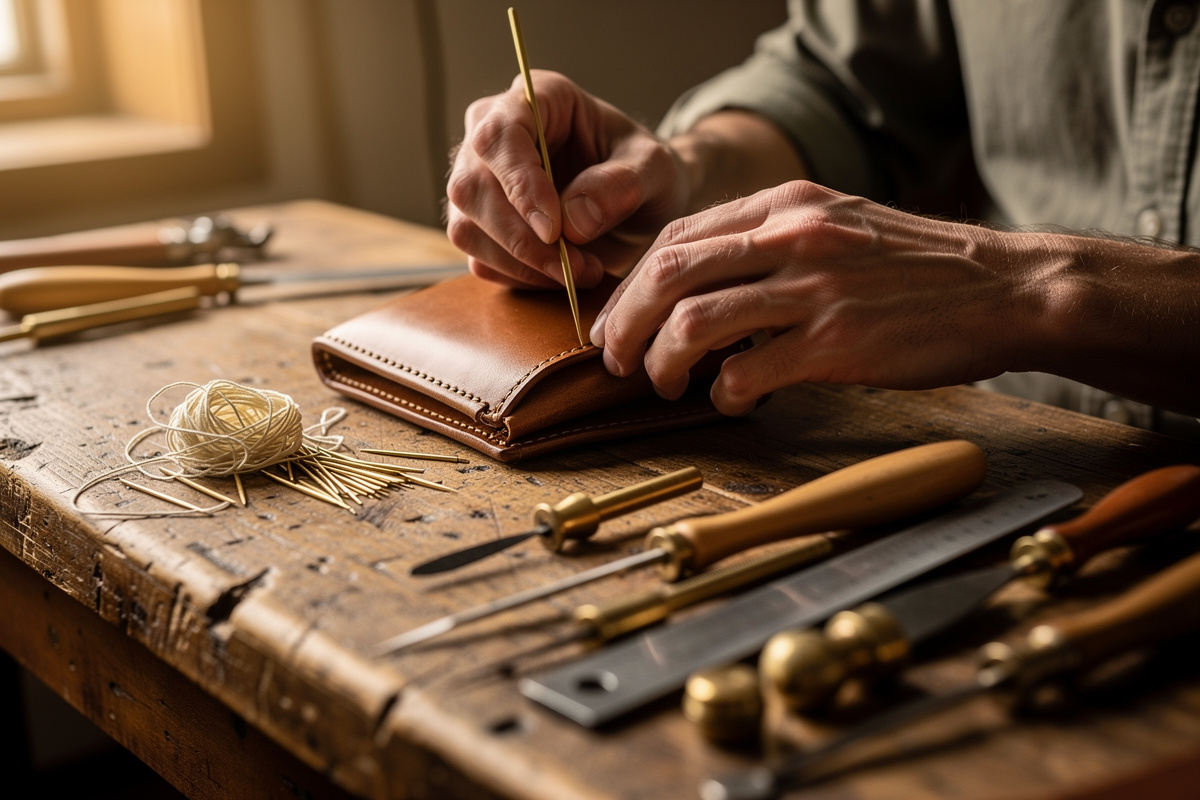
Leather Working for Beginners: A Complete Starter Guide
Leather working for beginners is the practice of cutting, stitching, and finishing vegetable-tanned leather using fewer than ten hand tools, with a typical first project costing under $80…
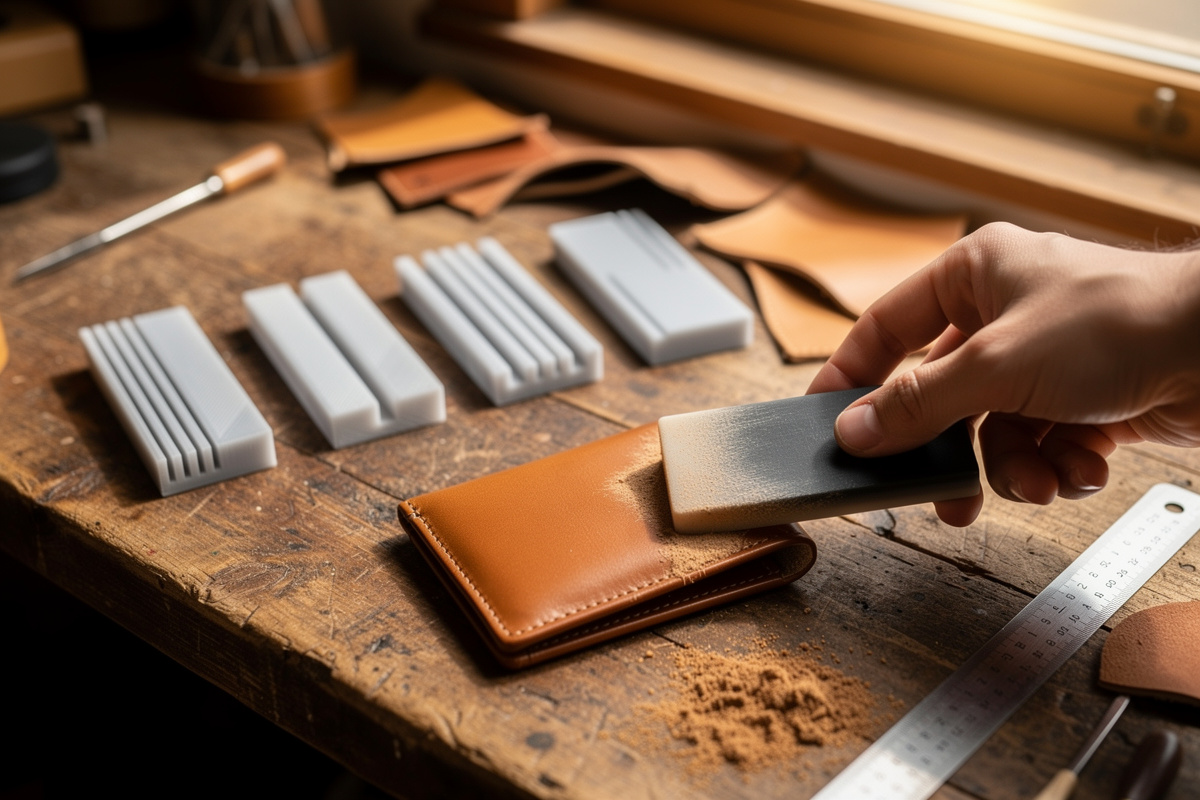
DIY Leather Edge Slickers and Burnishers: 3D-Printed Tooling That Actually Works
The leather edge slicker you bought from the local supplier for 25 USD is a turned hardwood handle with four bullnose grooves of fixed sizes. The grooves match…
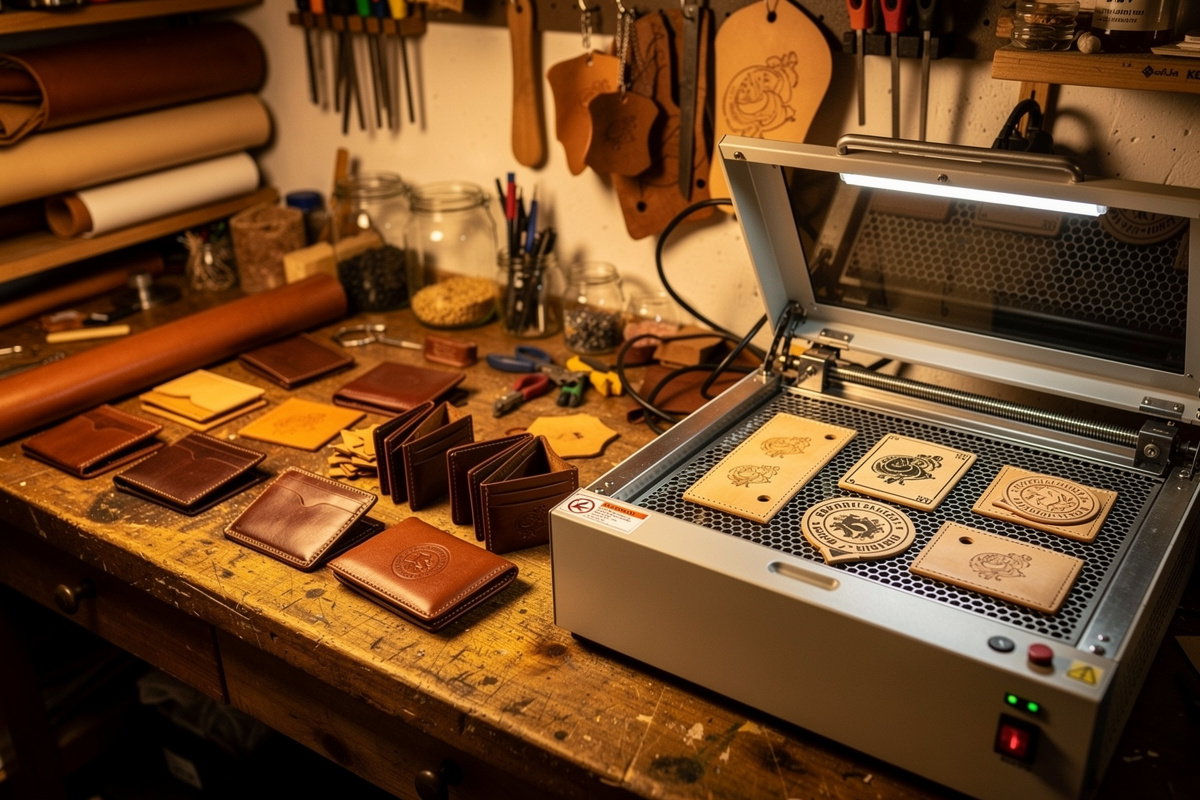
Laser-Engraved Leather Project Guide: Wallet, Patch, and Belt Designs
Laser-engraved leather projects bridge two crafts that historically lived in separate workshops — leatherworking and digital design. A 5–10 W diode laser or a 40 W CO2 cuts engrave-quality vegetable-tan…

Custom Leather Headphone Pads: A Crafting Project for Audiophile Cans
Stock headphone earpads are a compromise — most $300+ audiophile cans ship with synthetic leather pads that crack within 18-30 months and audibly degrade the sound long before…
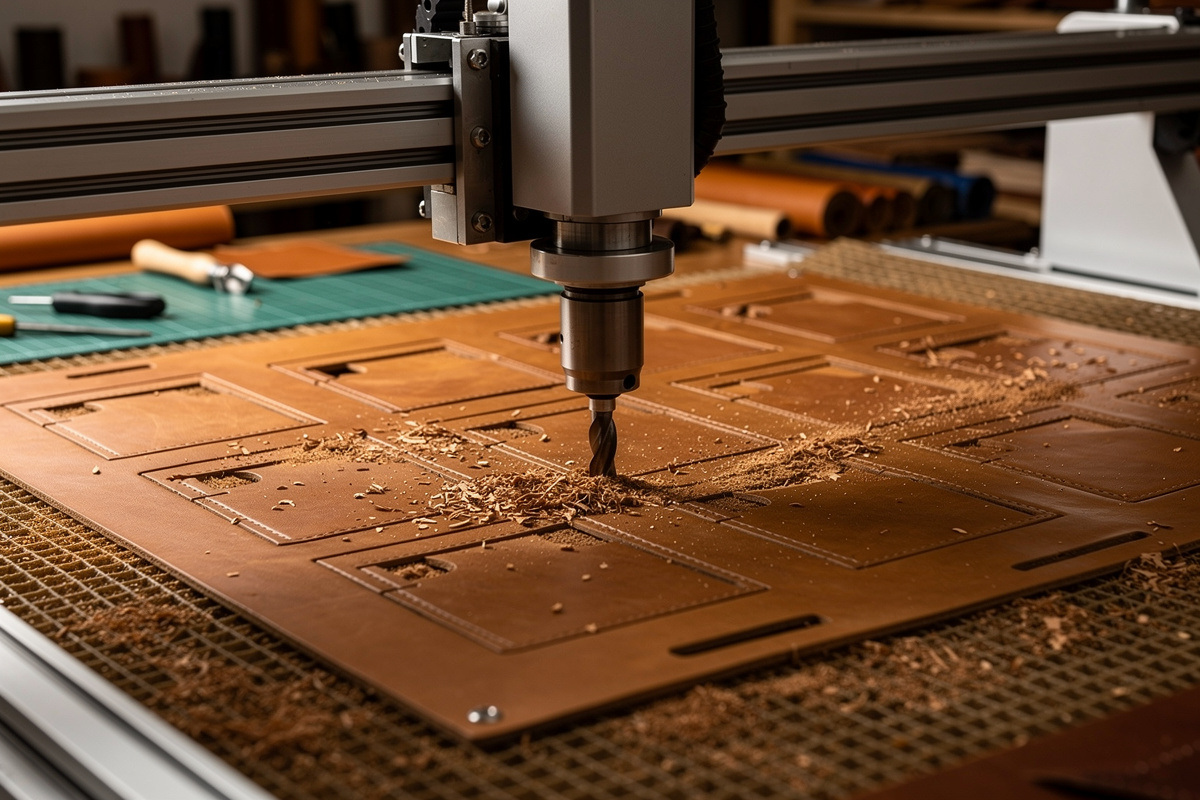
CNC-Cut Leather: Pattern Cutting, Form Blocks, and Press Dies on a Desktop CNC
A desktop CNC cuts a 12-piece wallet pattern from vegetable-tanned leather in 8 minutes — every piece dimensionally identical to within 0.1 mm, edges perfectly square, no swerve…
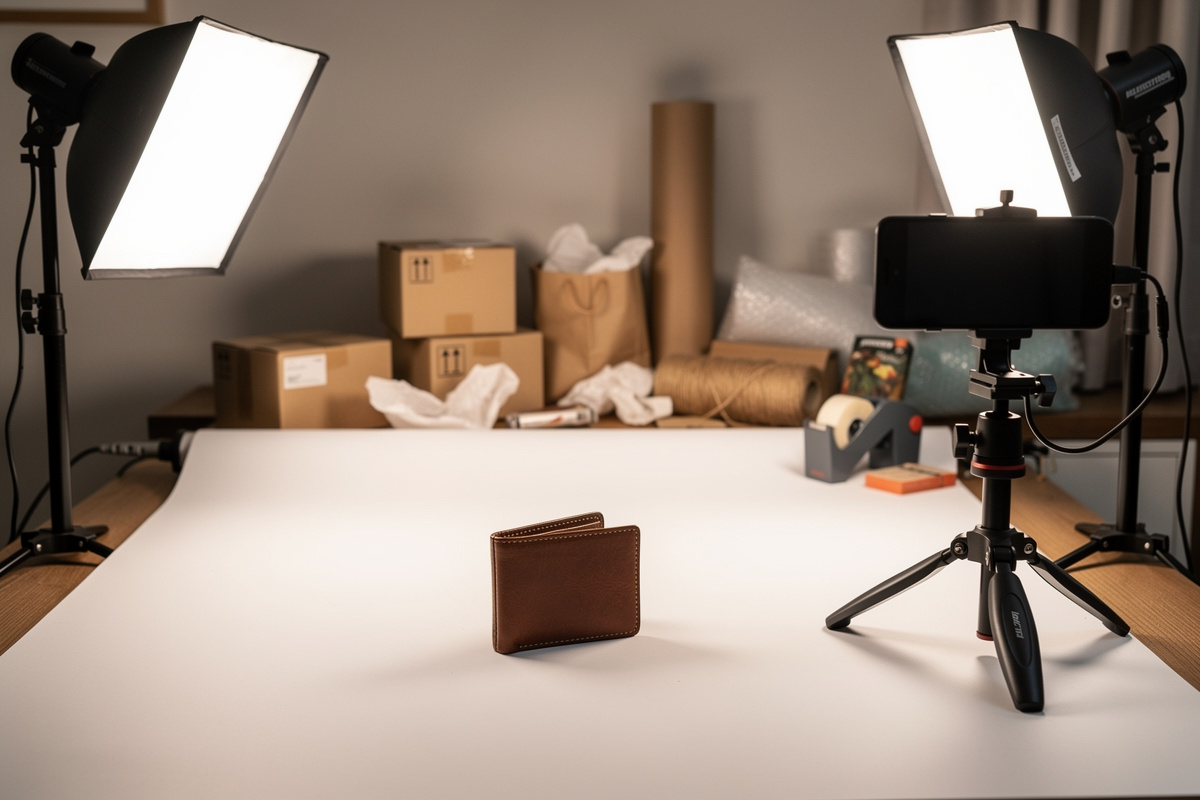
How to Photograph and Document Handmade Leather Work
Most of what I’ve learned about my own leatherwork, I learned from photographing it. Not to list it anywhere — just to hold a finished piece next to…
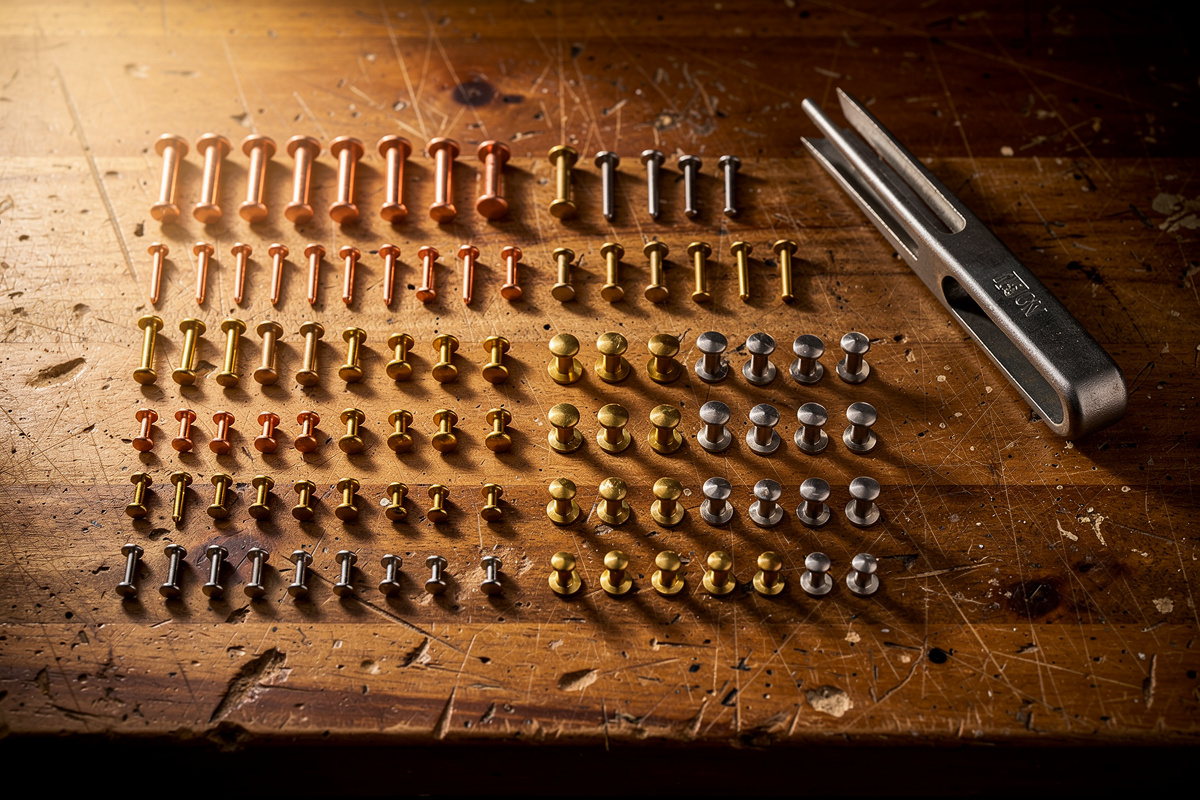
Best Rivets for Leather: Copper vs Brass vs Stainless (Plus Sizing)
The best rivets for leather depend on the project: copper burr rivets for heritage-quality permanent fasteners (belts, bag straps, knife sheaths), brass double-cap rivets for everyday hardware on…
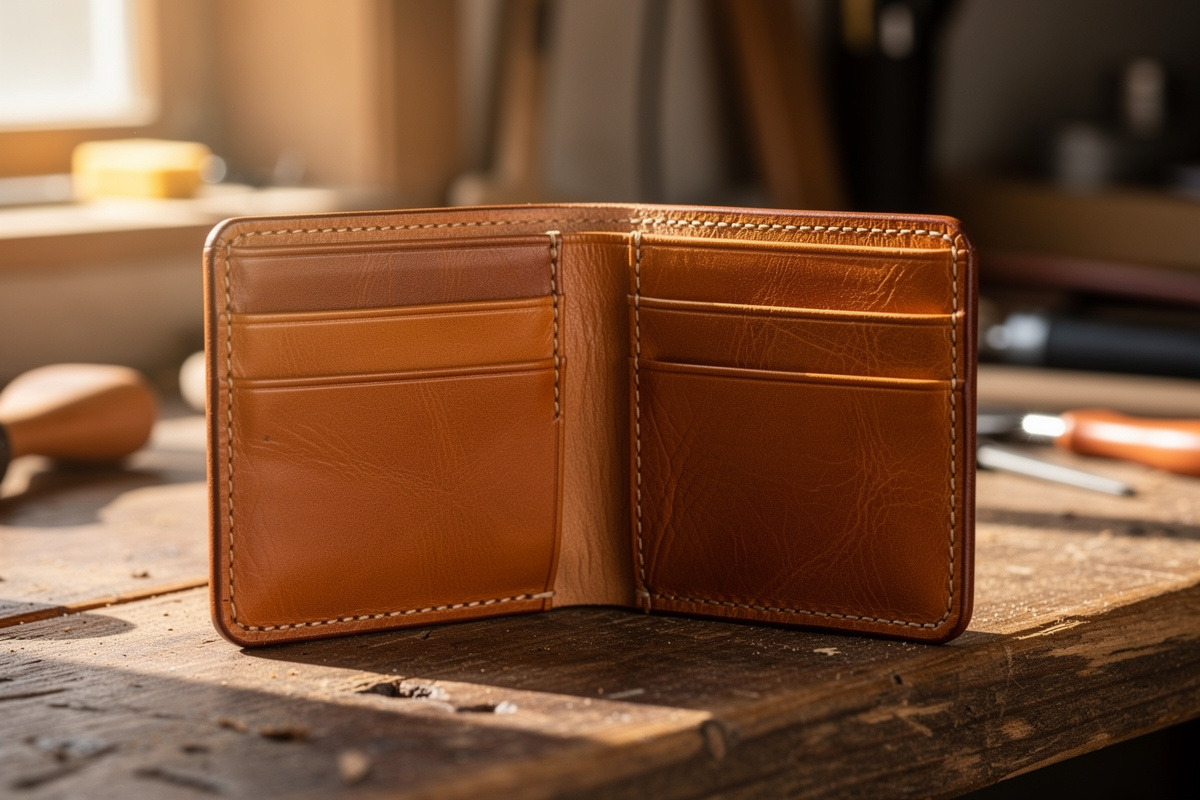
How to Make a Leather Bifold Wallet: Pattern, Cut, Stitch, Finish
Make a leather bifold wallet by cutting one outer panel (4 by 8.5 inches), two inner panels (4 by 4 inches each), and six card pocket pieces (2.5…