All Guides
Every tutorial, technique deep-dive, and tool guide on the site.
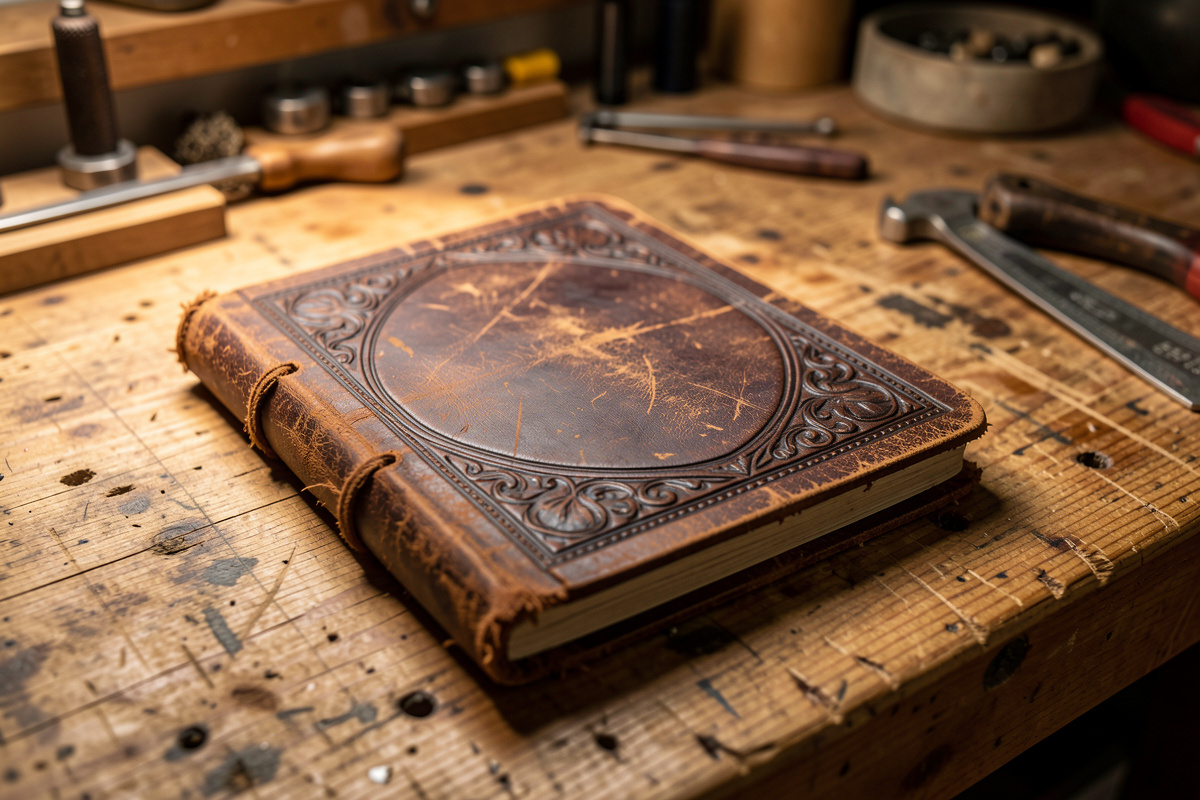
Aging and Distressing Leather Book Covers
To age a new veg-tan journal cover convincingly you layer four things in order: antique finish wiped into the tooling, mechanical wear at the edges and high spots,…
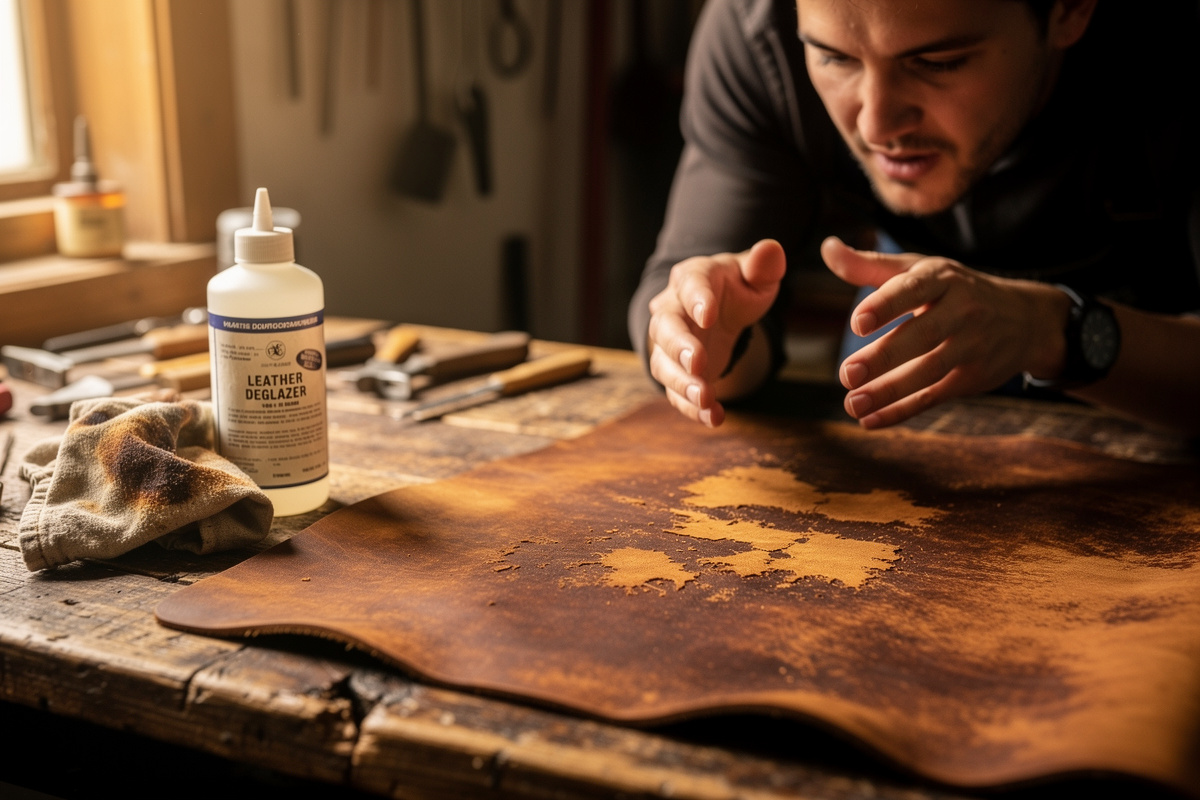
How to Fix Leather Dye Mistakes: Salvage a Bad Job
To fix a leather dye mistake, remember the one rule that governs every repair: you can almost always go darker, rarely lighter. Blotchy or streaky dye is fixed…
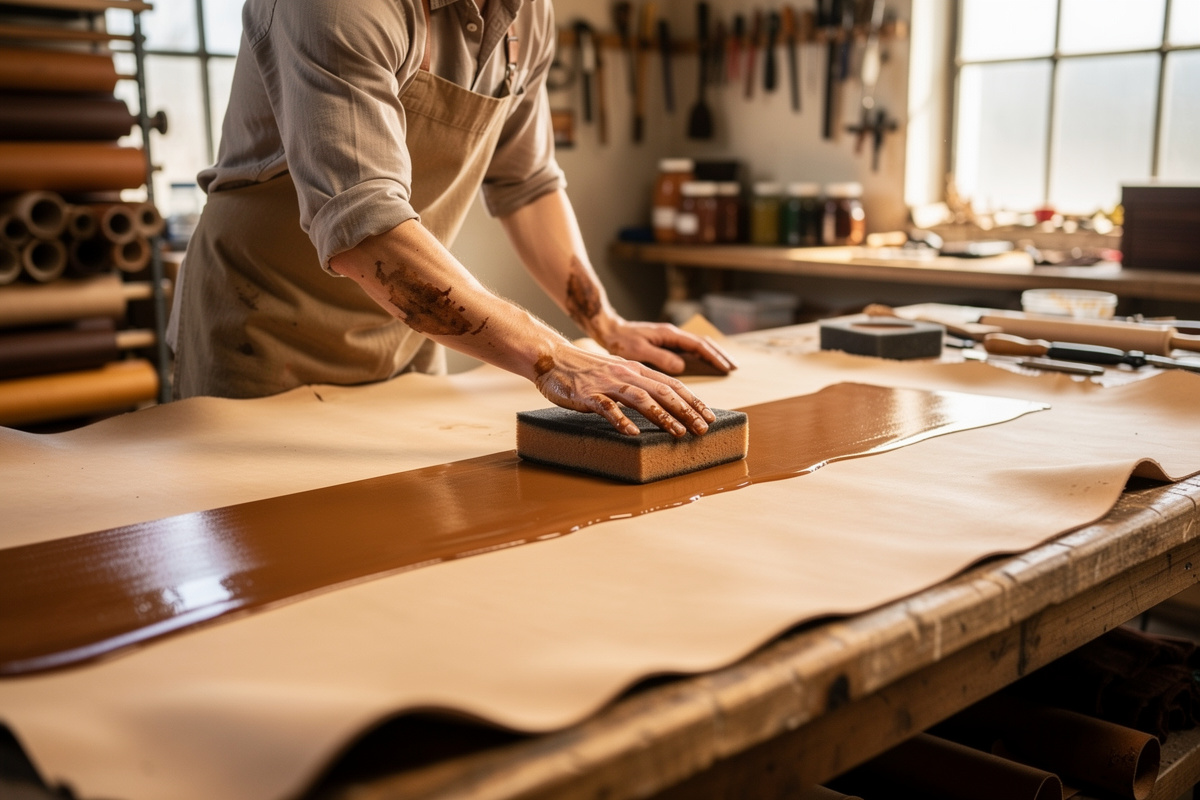
How to Dye a Large Leather Project Evenly
To dye a large leather project evenly, thin the dye so it dries slower and self-levels, work fast along the longest dimension keeping a constant wet edge, and…
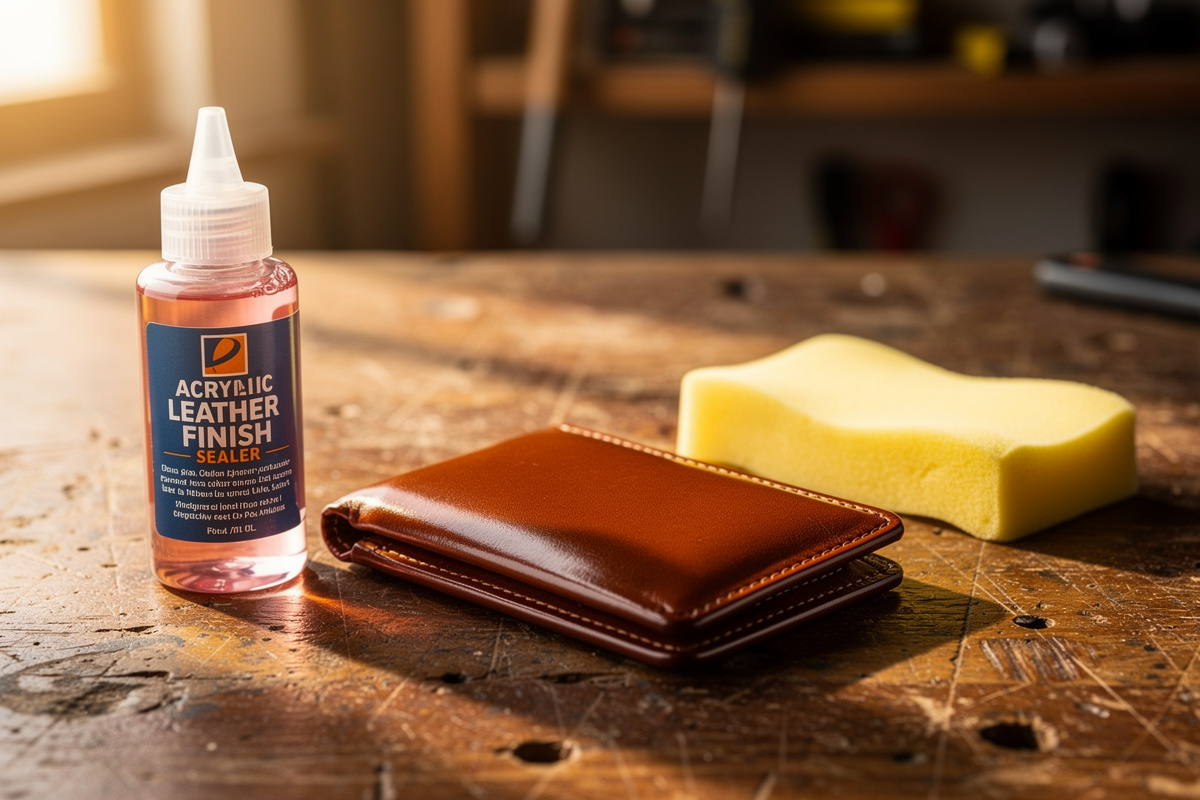
Resolene Leather Finish: How to Seal Dye Without Streaks
Resolene is an acrylic resin topcoat that seals leather dye, stops color rub-off, and adds real water resistance with a light satin sheen. The trick is to thin…
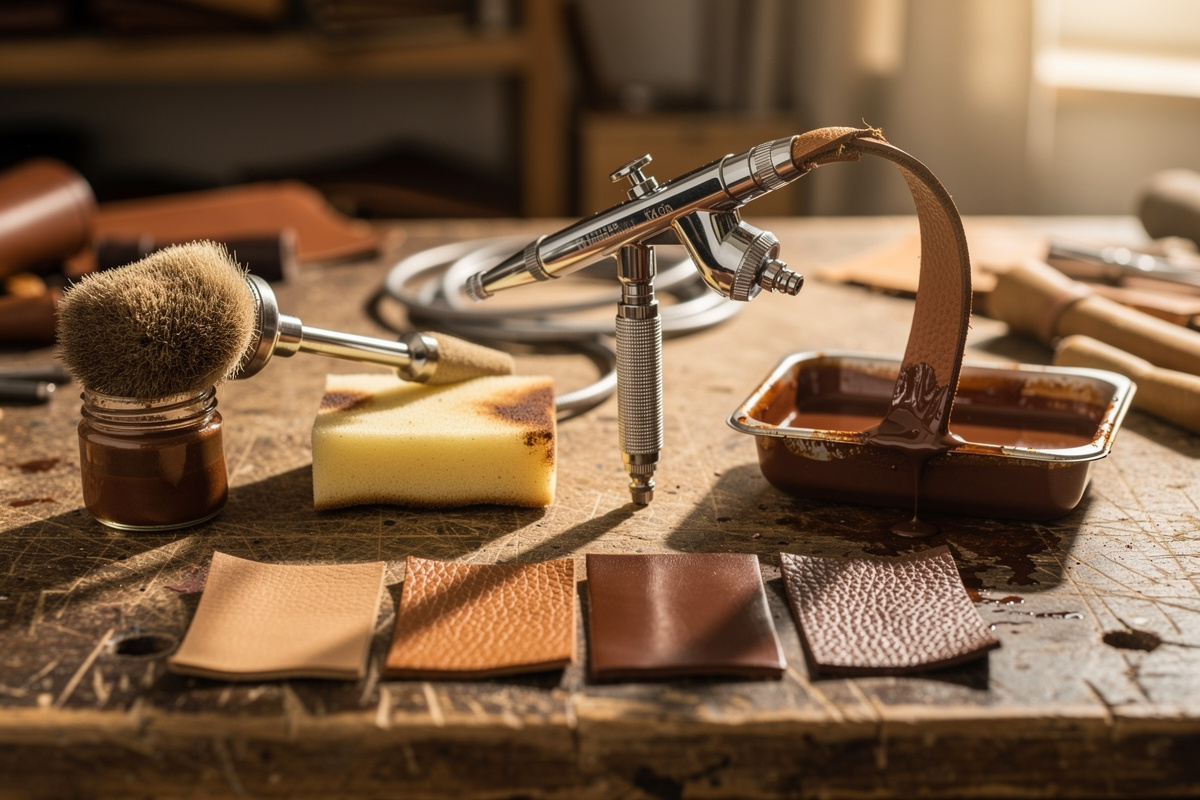
Leather Dye Application Methods: Dip vs Sponge vs Airbrush
The four ways to apply leather dye are the dauber, the sponge, dip-dyeing, and the airbrush. Dip-dyeing gives the most even, saturated single color but burns through dye…
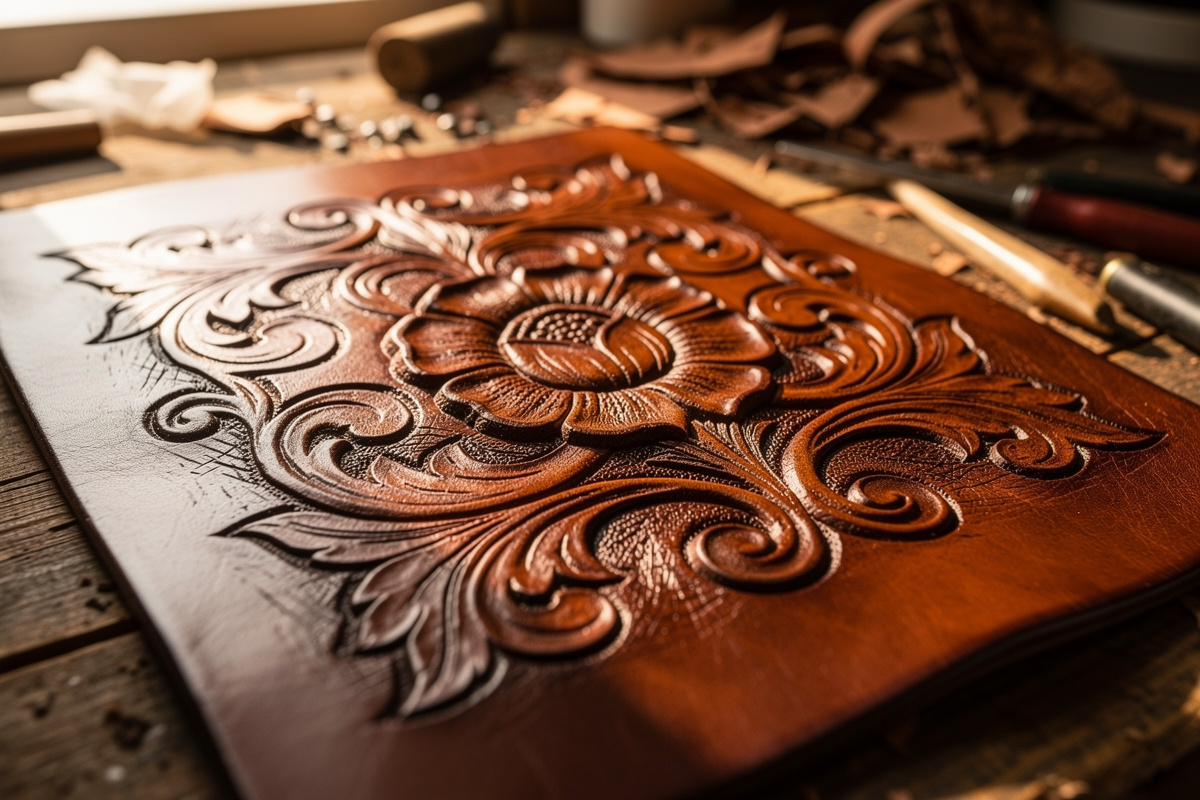
How to Antique Leather: Aged Finish With Resist Control
To antique leather, seal the surface with a resist first, then wipe a pigmented antique paste over it and immediately rub the excess off the high spots. The…
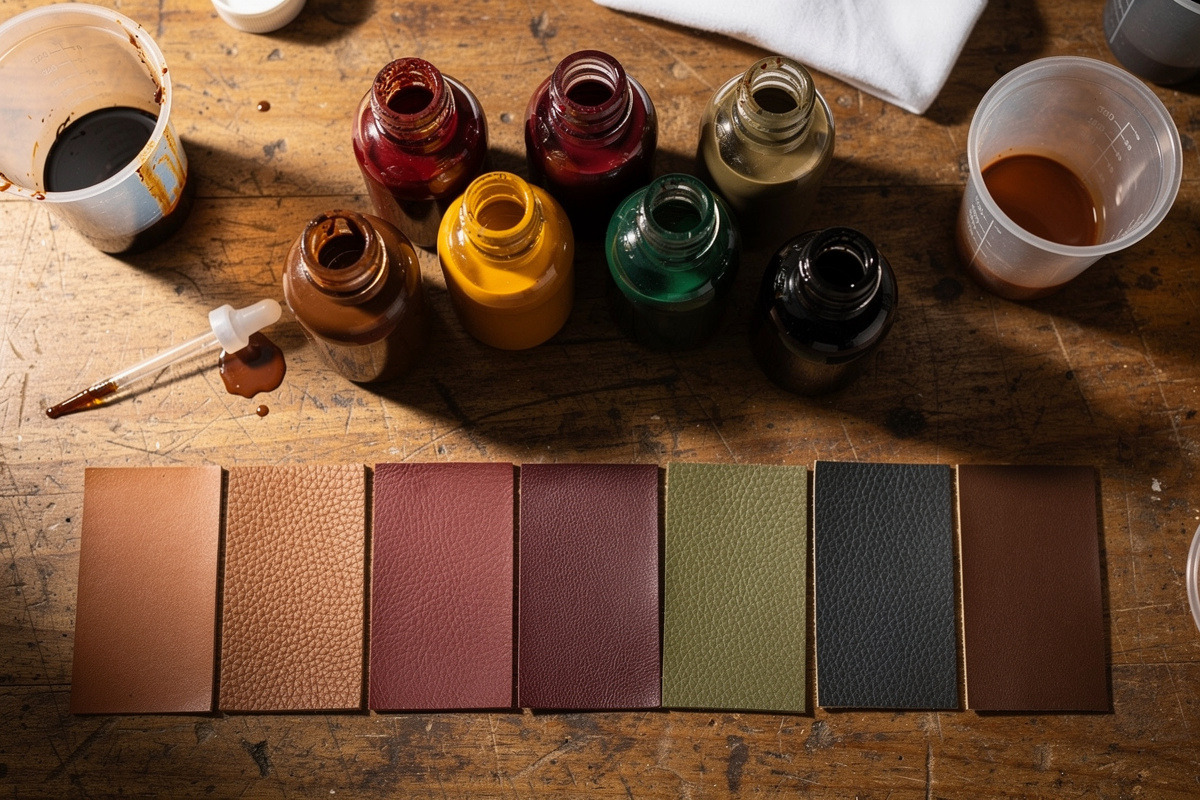
Leather Dye Color Mixing Chart: Custom Colors That Work
To mix custom leather dye colors, blend only dyes from the same family and brand — oil with oil, spirit with spirit — adjust by drop count and…
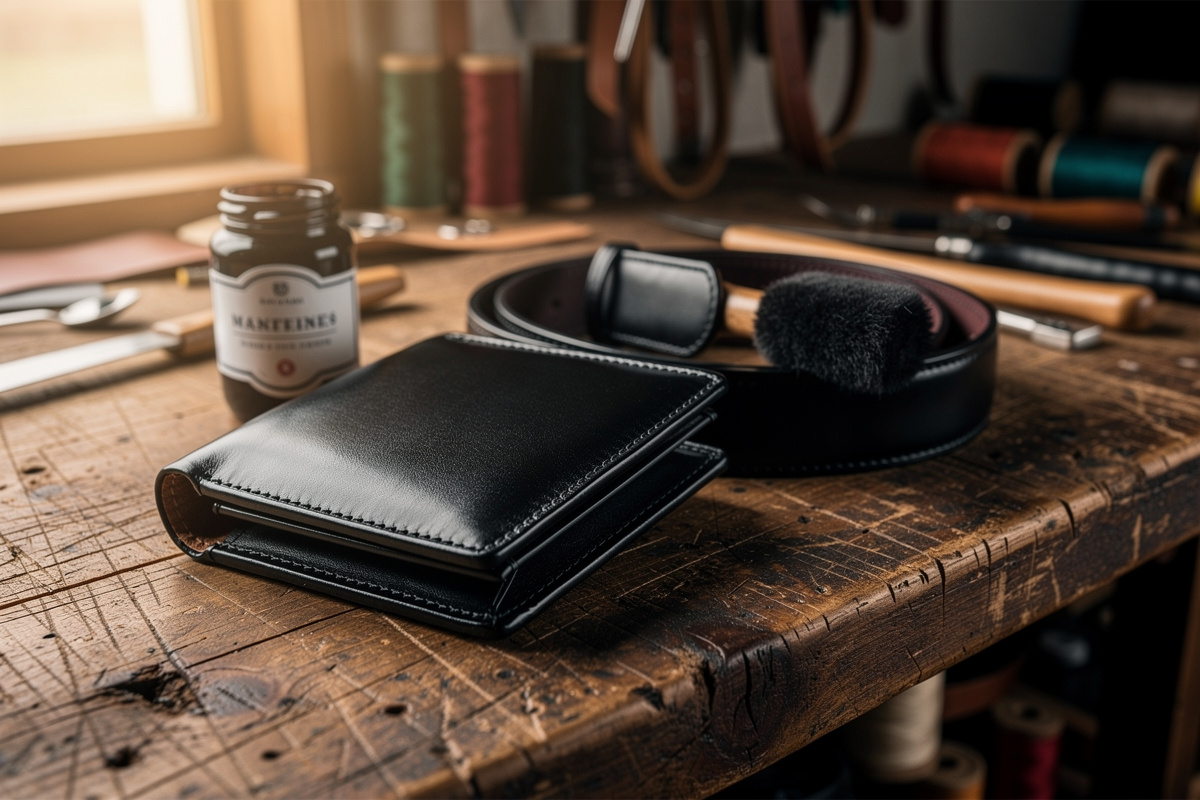
How to Dye Leather Black: Deep, Even, No Rub-Off
To dye leather a deep, even black with no rub-off, deglaze the surface, flood on an oil-based black dye in two to three coats with the strokes crossed…
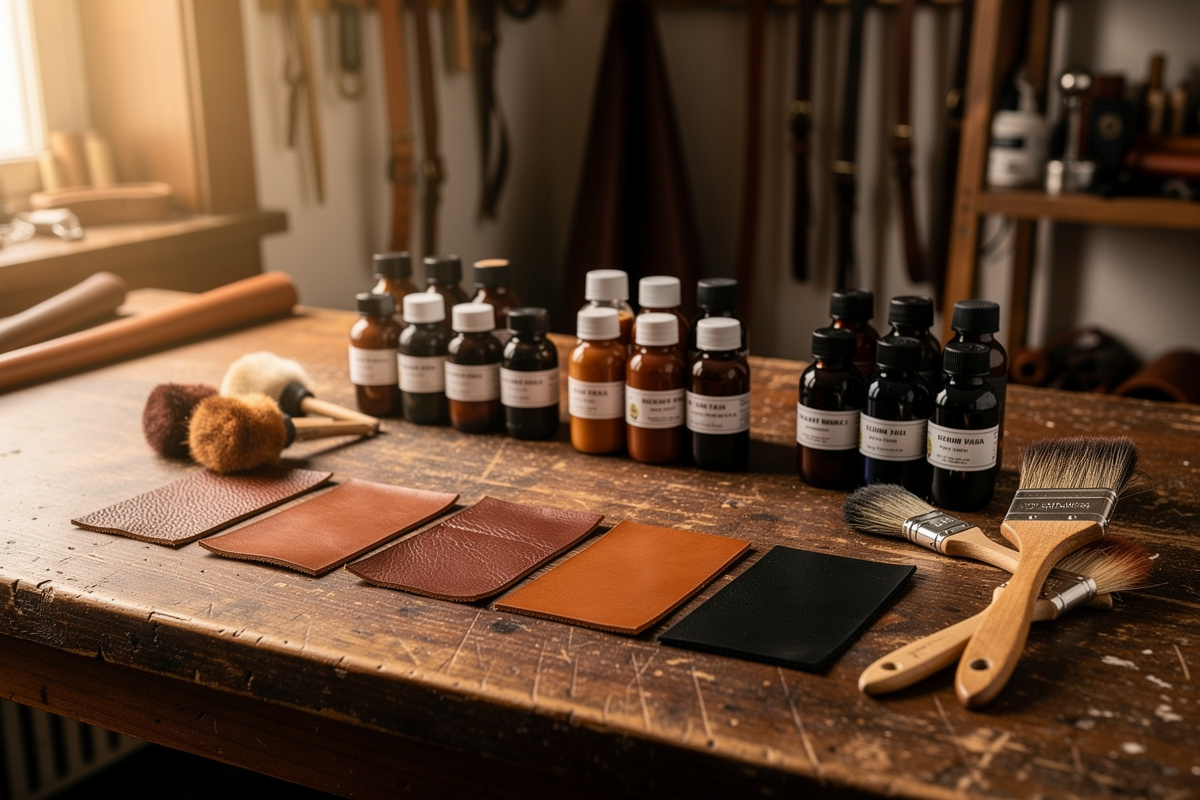
Leather Dye Types Compared: Oil vs Water vs Acrylic
Leather dye splits into three working families: oil-based dye penetrates deep and dries even, making it the safest choice for large veg-tan panels; water-based dye is low-odor and…
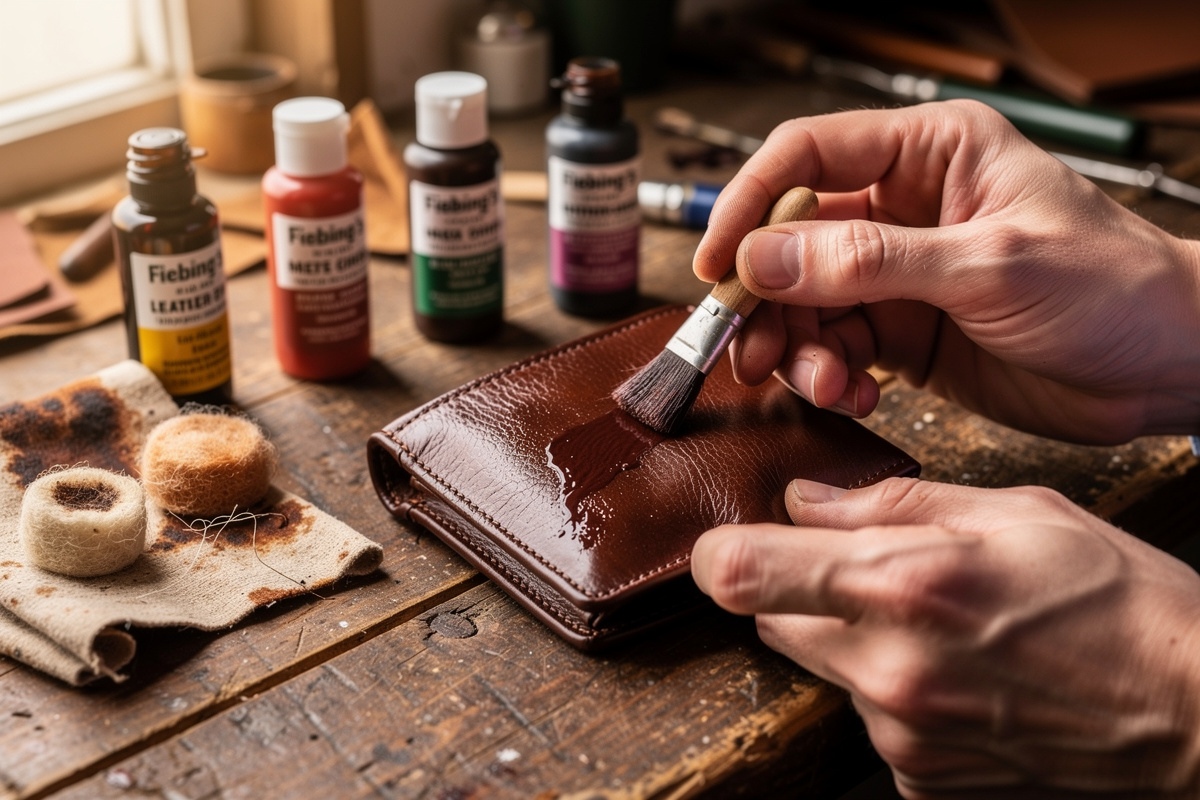
Leather Dyeing: The Complete Veg-Tan Guide
Leather dyeing transforms natural-tan vegetable leather into any color from honey amber to jet black using one of three dye chemistries: alcohol-based, oil-based, or water-based acrylic. The most…
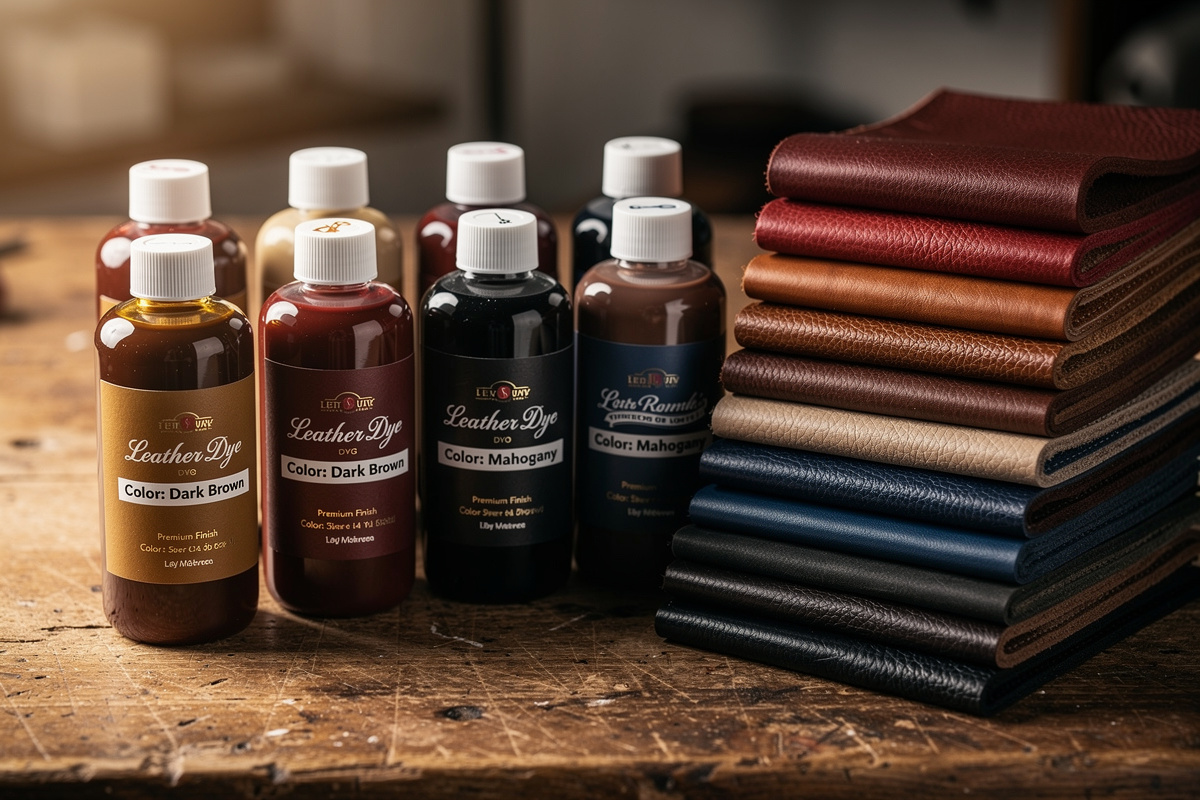
Best Leather Dye for Veg-Tan: 8 Brands Tested for Consistency
The best leather dyes for vegetable-tanned leather in 2026 are Fiebings Pro Oil Dye (roughly 9-12 dollars per 4 oz, most consistent black and brown), Angelus Acrylic Leather…
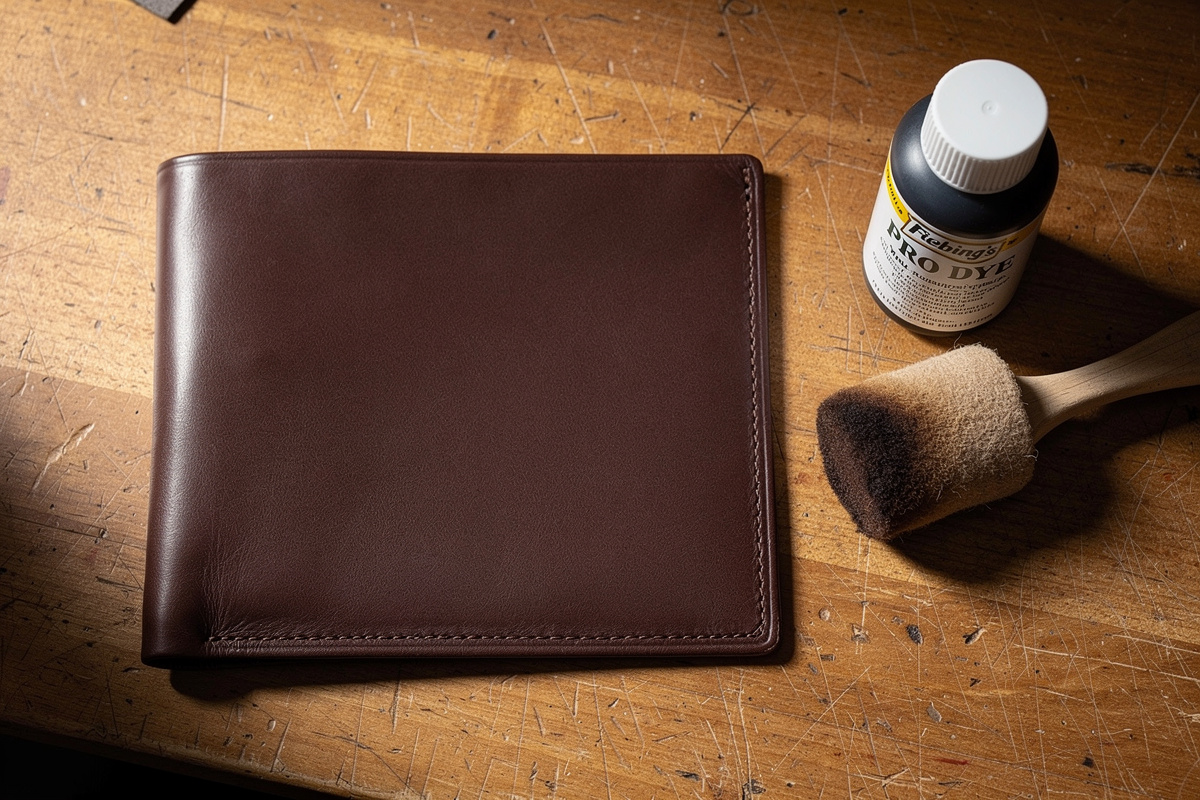
How to Dye Leather Without Streaks or Blotches (Technique + Prep)
Streaks and blotches in leather dye come from one of three causes: surface oils blocking absorption (handprints, dust, manufacturing residue), an applicator that drags dye instead of spreading…