All Guides
Every tutorial, technique deep-dive, and tool guide on the site.
Leathercraft Terms for Beginners: The Vocabulary Decoded
Leatherwork has its own vocabulary, and the jargon trips up beginners more than any technique does. When a tutorial says to “case the leather before you bevel and…
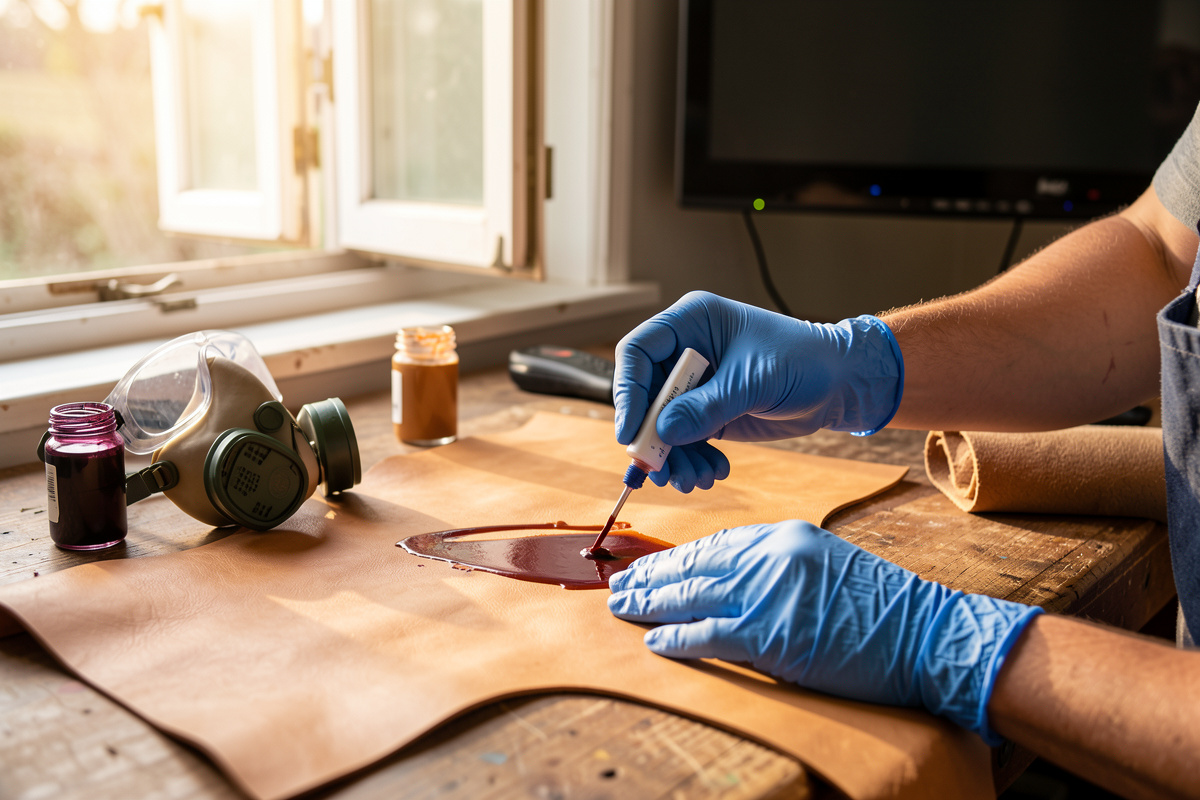
Leathercraft Safety Tips: Blades, Fumes, and the Real Risks
Leatherwork is one of the safer crafts, but it concentrates its real risks in two places: the blades that cut you and the solvents you breathe. Sharp knives,…
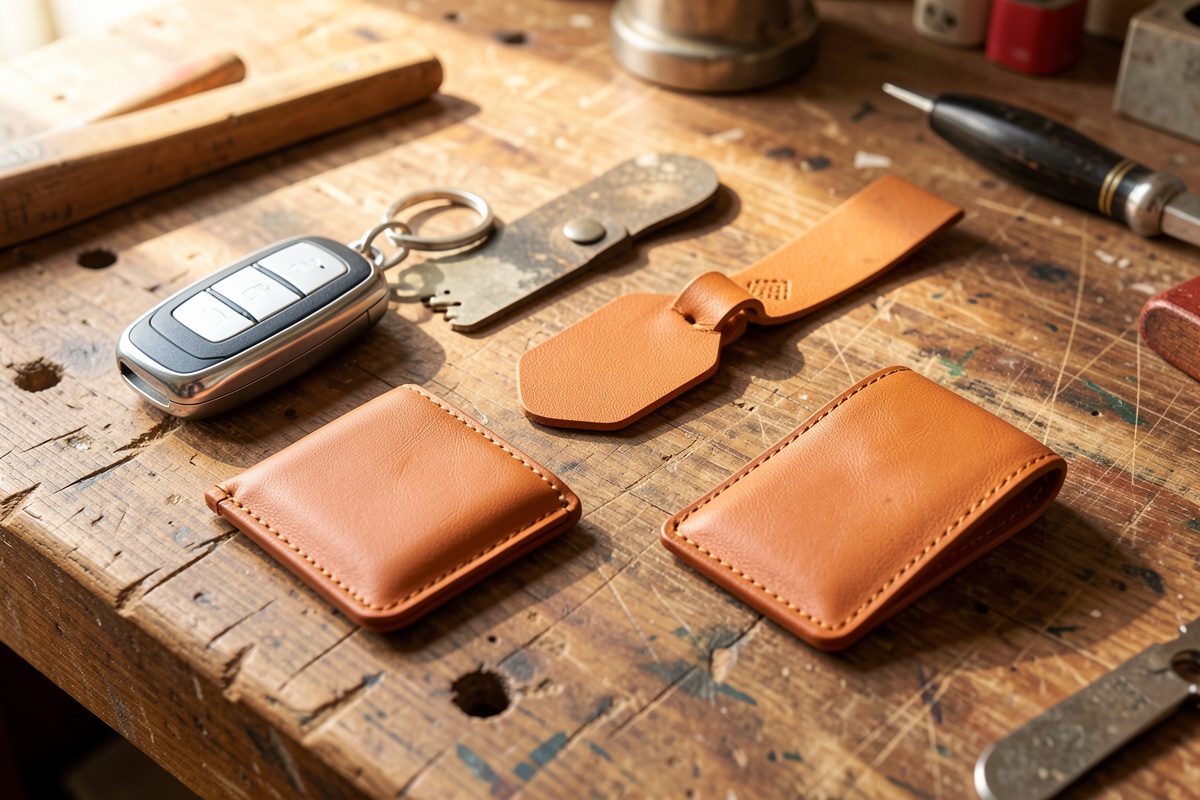
Weekend Leather Projects: Things You Can Actually Finish
The fastest way to actually improve at leatherwork is to finish things, and a weekend is exactly enough time to finish a real, useful piece from cut to…
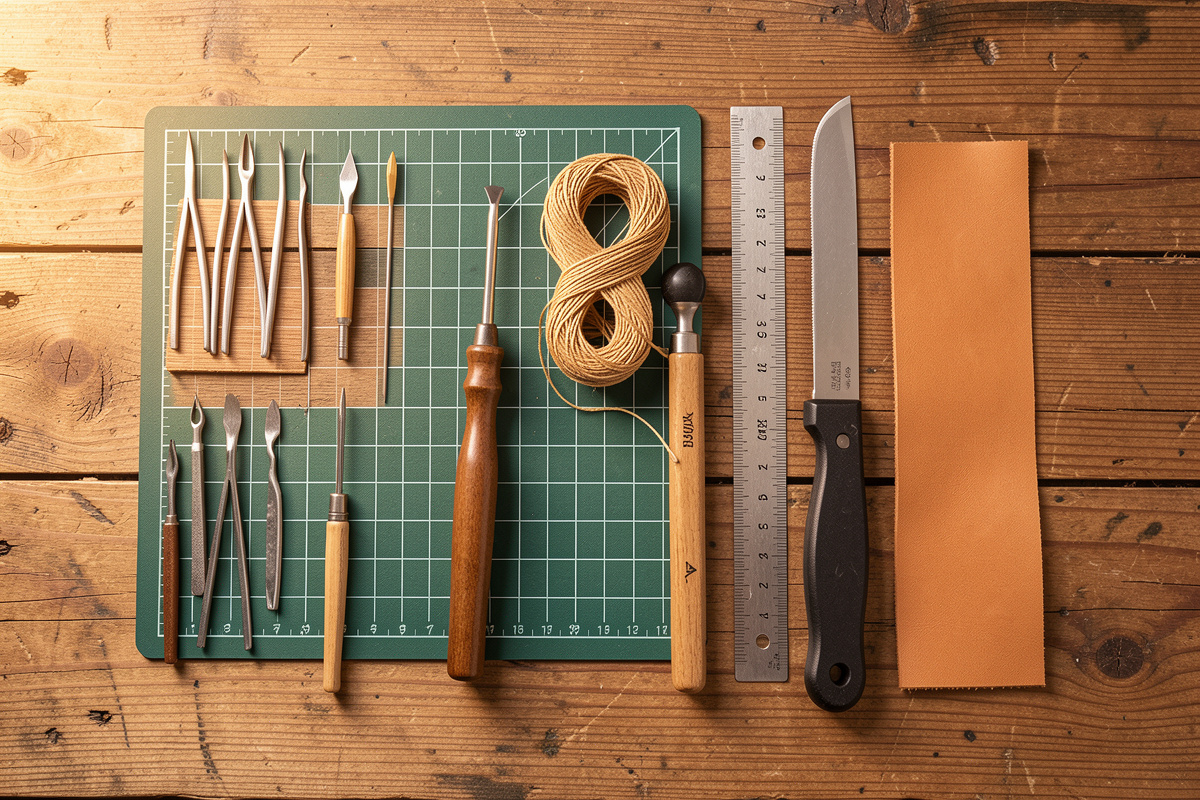
Leathercraft Startup Cost: What You Actually Need to Spend
You can start hand leatherworking for under a hundred dollars and make a real, sellable wallet with that kit. A starter set of pricking irons, a diamond awl,…
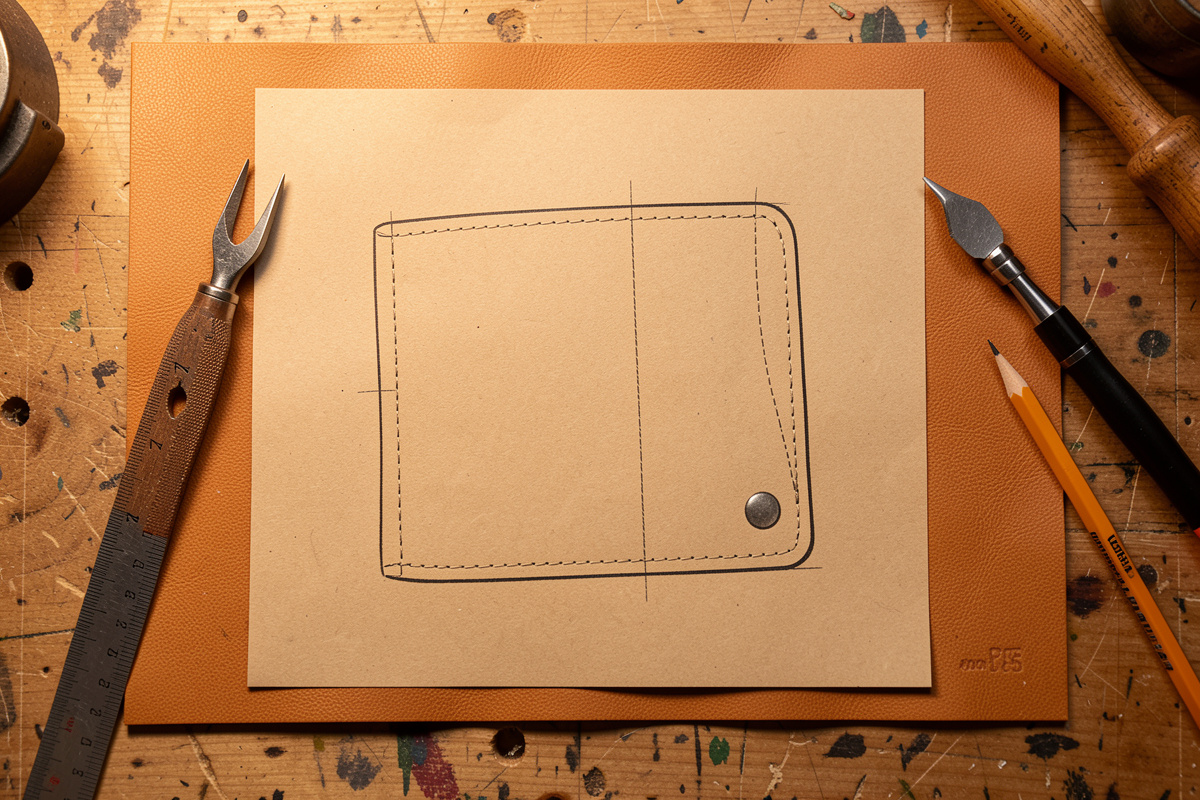
Leathercraft Templates and Patterns: From Download to Durable
A pattern is the difference between a project you can repeat and a one-off you got lucky with. Before any leather is cut, the pattern is where you…
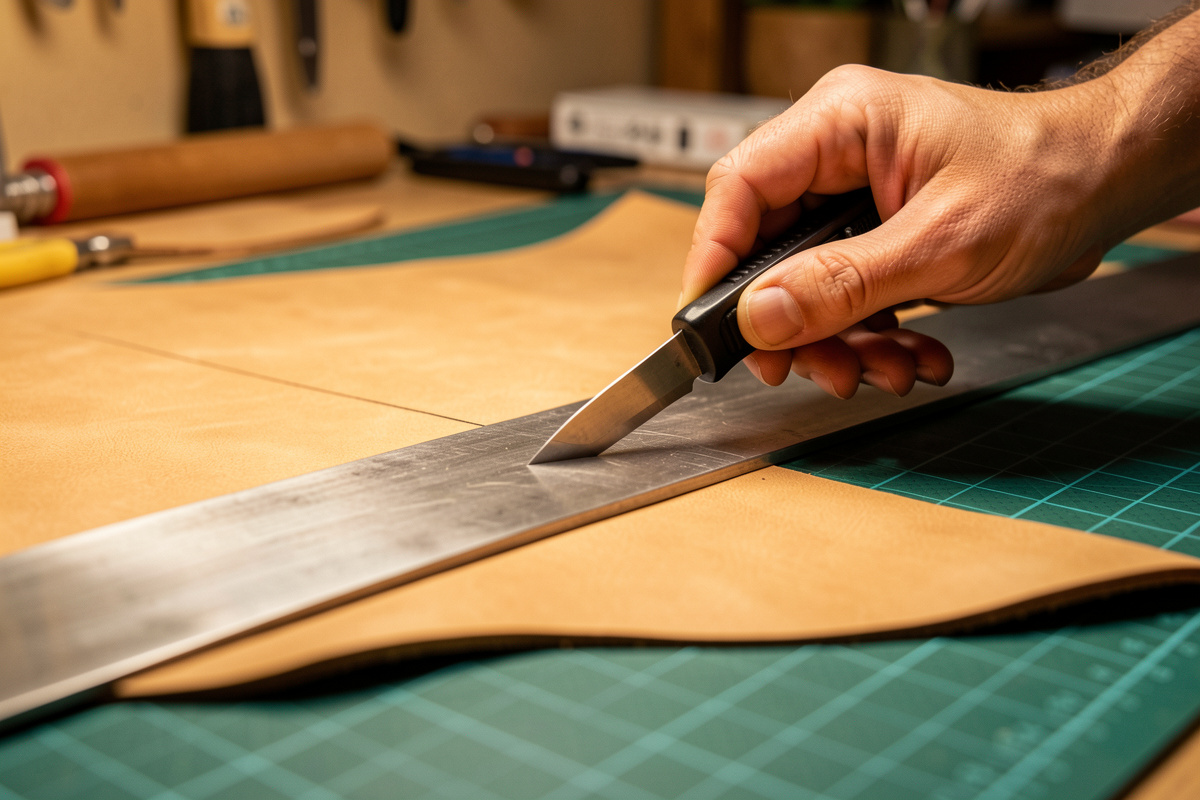
How to Cut Leather Straight: Clean Edges Every Time
To cut leather straight, clamp a heavy steel straightedge along your marked line, keep your blade vertical and snug against the steel, and make several light passes instead…
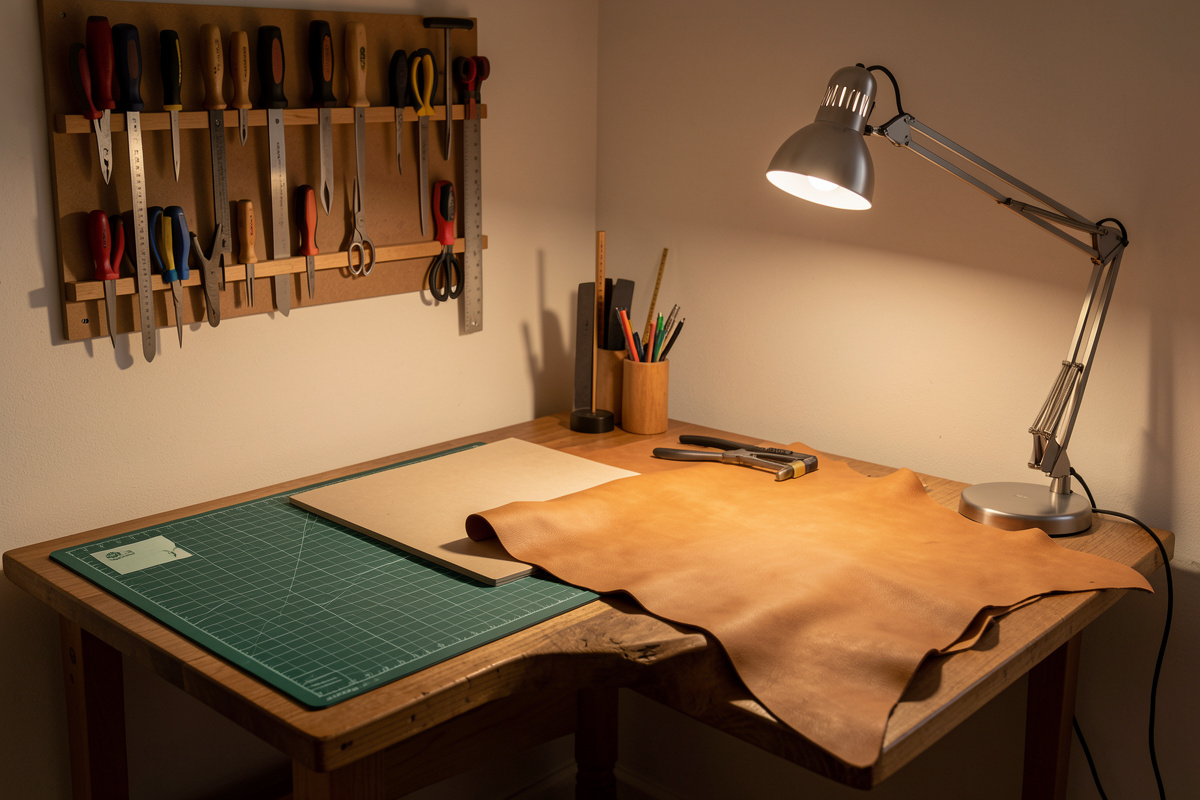
Leathercraft Workspace Setup: Build a Working Bench Anywhere
You can set up a working leathercraft bench in a corner of a room with a sheet of glass, a self-healing mat, a poly cutting board, and good…
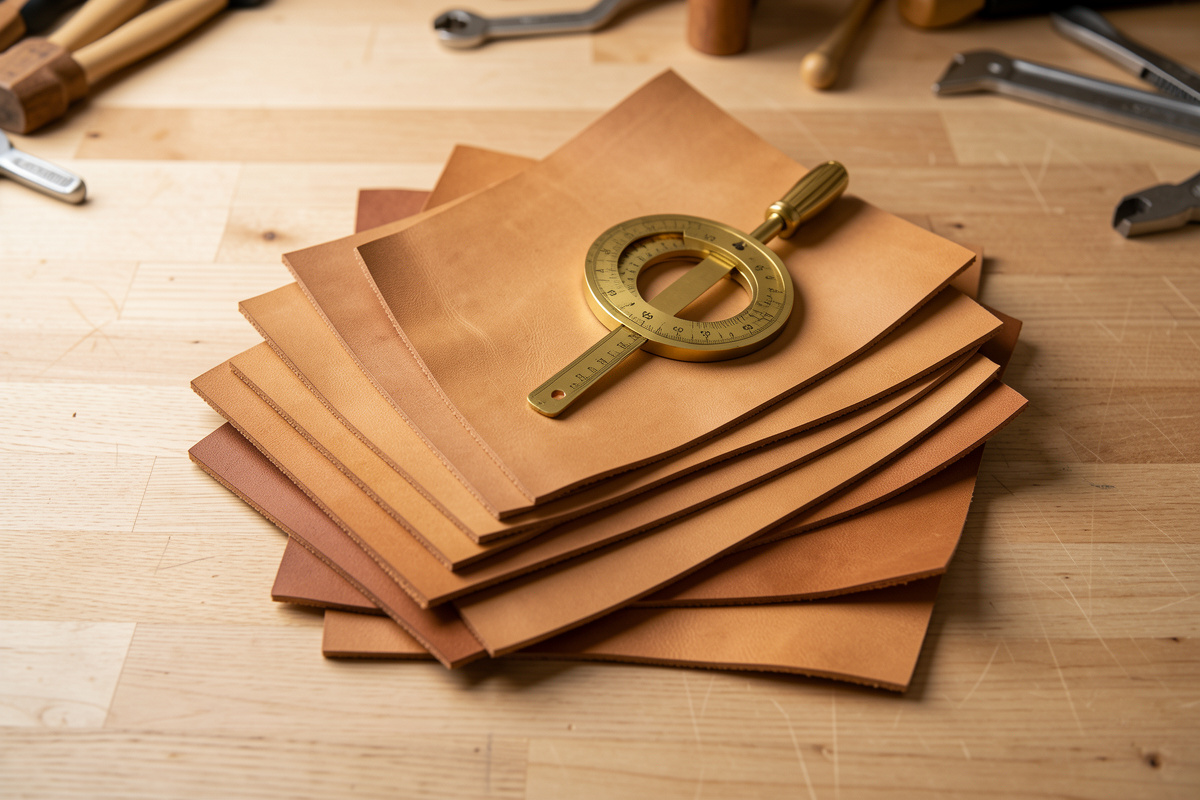
Leather Thickness Chart: Ounces to MM for Every Project
Leather thickness is measured in ounces, and one ounce equals roughly 1/64 inch (about 0.4 mm) of thickness. A 4 oz piece is about 1.6 mm thick; an…
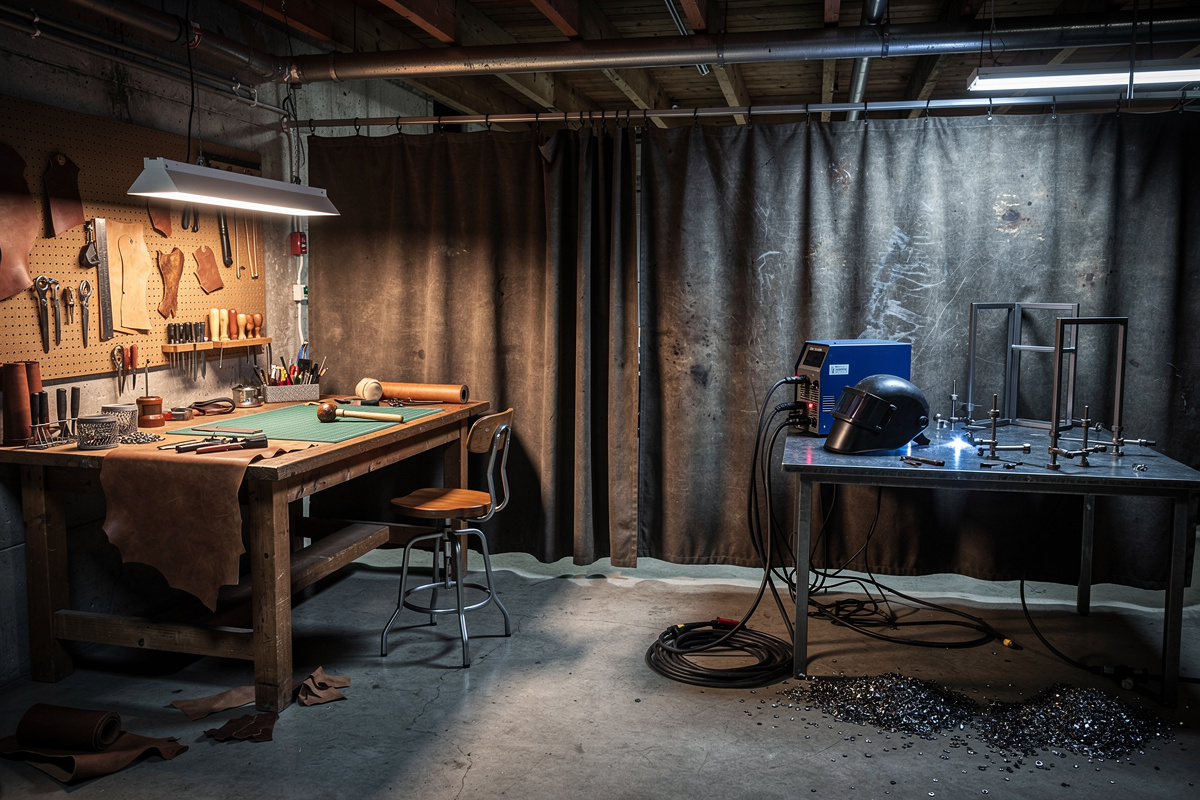
Mixed Workshop Safety: Leather Fumes Welding Sparks and Why You Need Different Ventilation
Leather dye solvents and contact cement vapor ignite at temperatures a welding spark hits in flight, and sparks off a 4.5-inch grinder wheel travel 30–35 feet on a…
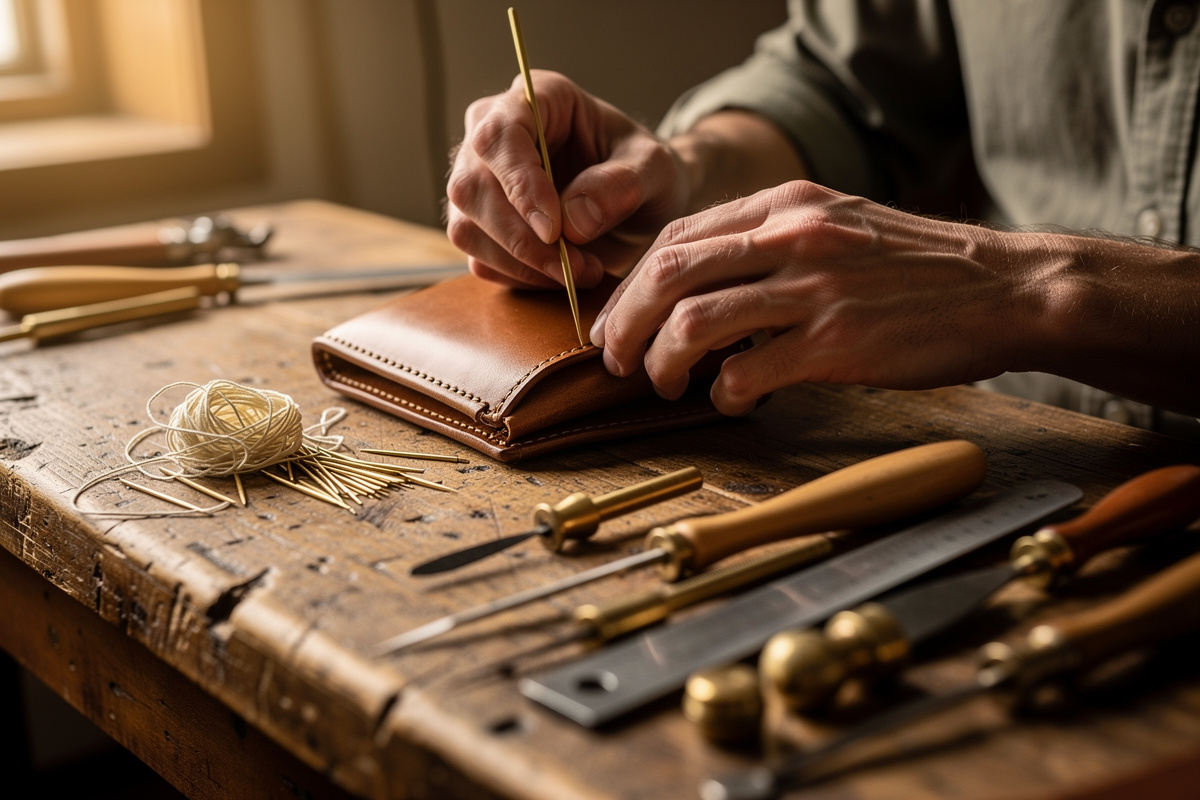
Leather Working for Beginners: A Complete Starter Guide
Leather working for beginners is the practice of cutting, stitching, and finishing vegetable-tanned leather using fewer than ten hand tools, with a typical first project costing under $80…
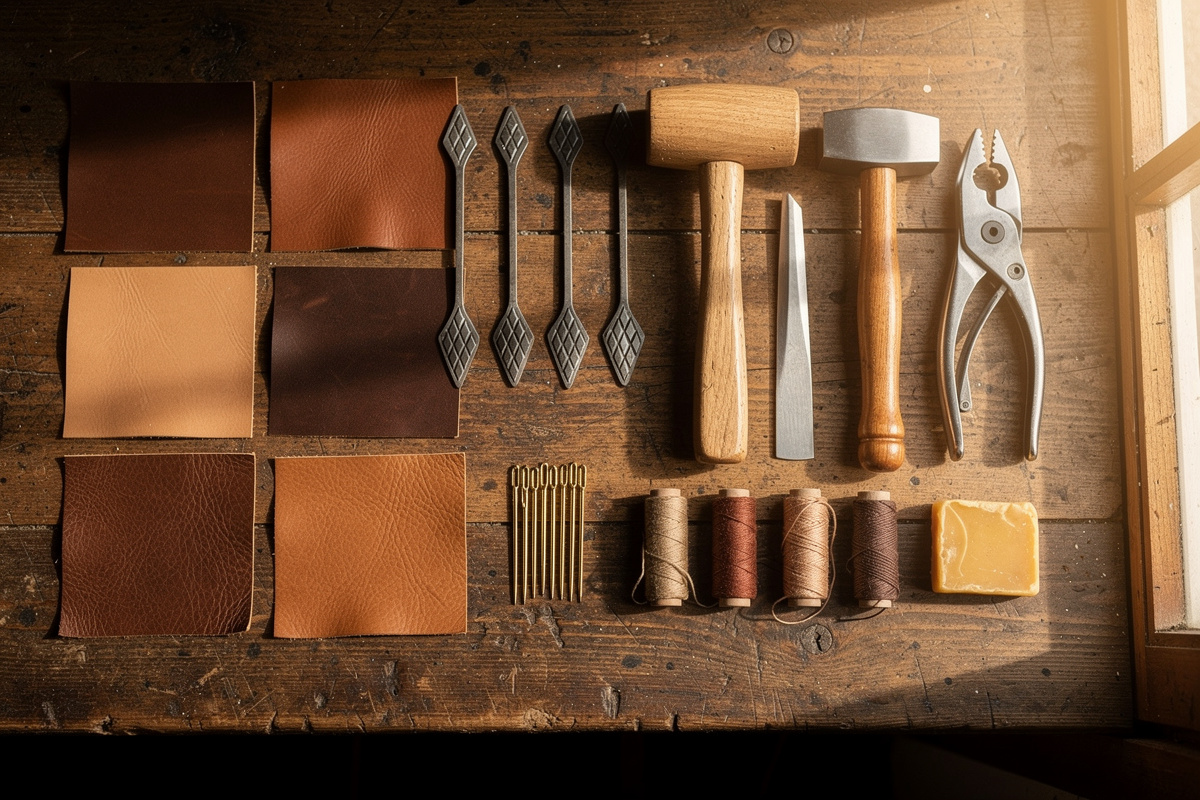
Leatherworking Starter Kit: What You Need vs Wasted Money
The right leatherworking starter kit costs 140-220 dollars and includes one piece of 5-6 oz vegetable-tanned leather, four diamond stitching irons (2-prong, 4-prong, 6-prong, and 10-prong, all at…
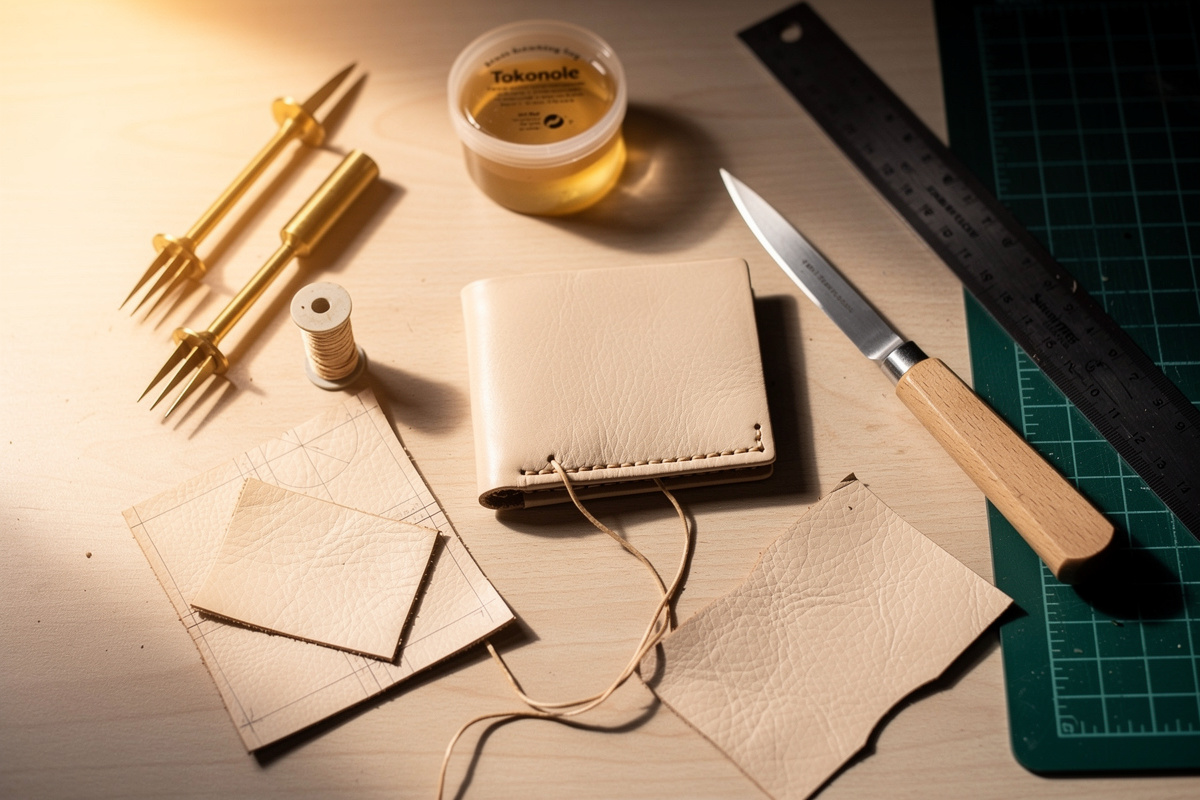
Common Leatherworking Mistakes Beginners Make (And How to Fix)
Most beginner leatherwork failures trace back to a short list of repeat causes — buying the wrong tannage, skipping the stitching groove, and using dull blades top the…