You can start hand leatherworking for under a hundred dollars and make a real, sellable wallet with that kit. A starter set of pricking irons, a diamond awl,…
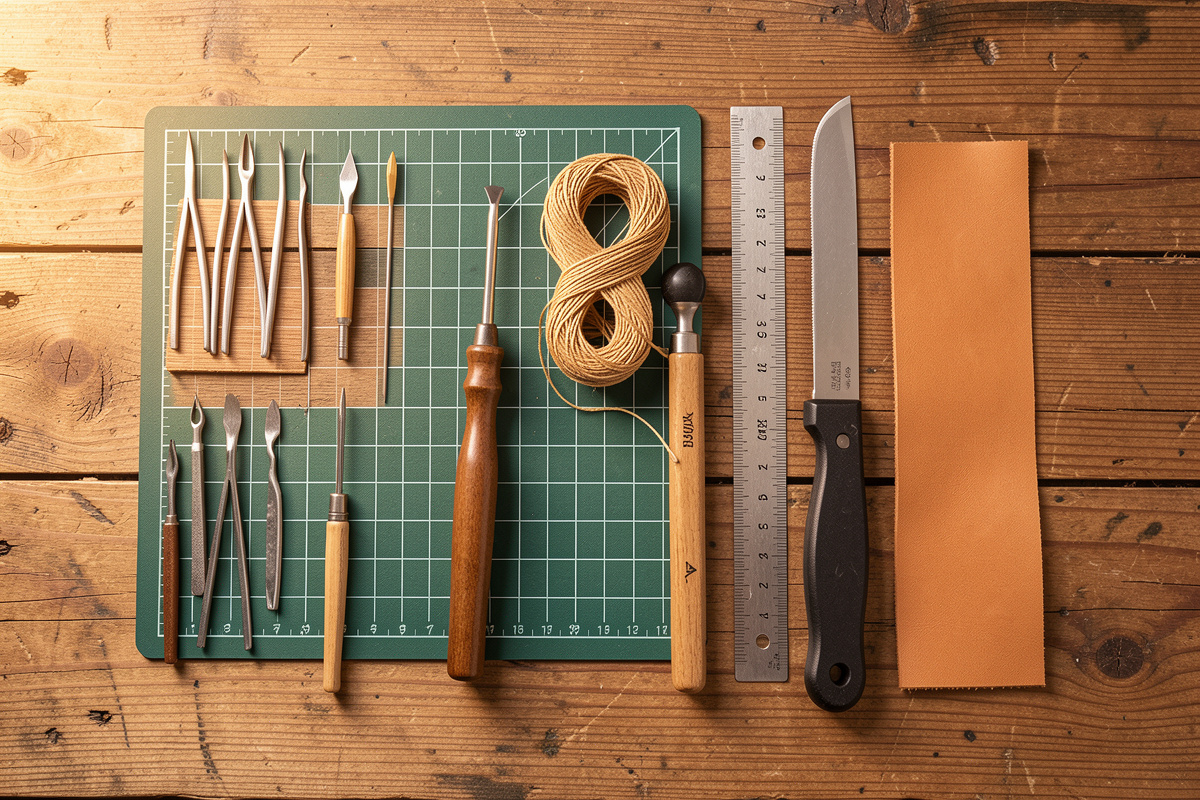
You can start hand leatherworking for under a hundred dollars and make a real, sellable wallet with that kit. A starter set of pricking irons, a diamond awl, two needles, a spool of waxed thread, a cutting mat, a steel rule, a knife, an edge beveler, and a small piece of veg-tan is the whole entry fee, and most of it lasts years. The pricey tools the catalogues push are upgrades, not requirements, and chasing them early is how beginners spend three hundred dollars and still cannot stitch a straight line.
I have bought, over the years, nearly every class of tool a hobbyist can, which is exactly why I can tell you where the money matters and where it does not. The honest answer to “what does it cost to start” is: less than you think to begin, and as much as you let it once you are hooked. Here is the breakdown that keeps the first spend lean and the upgrades intentional.
The Bare-Minimum Kit
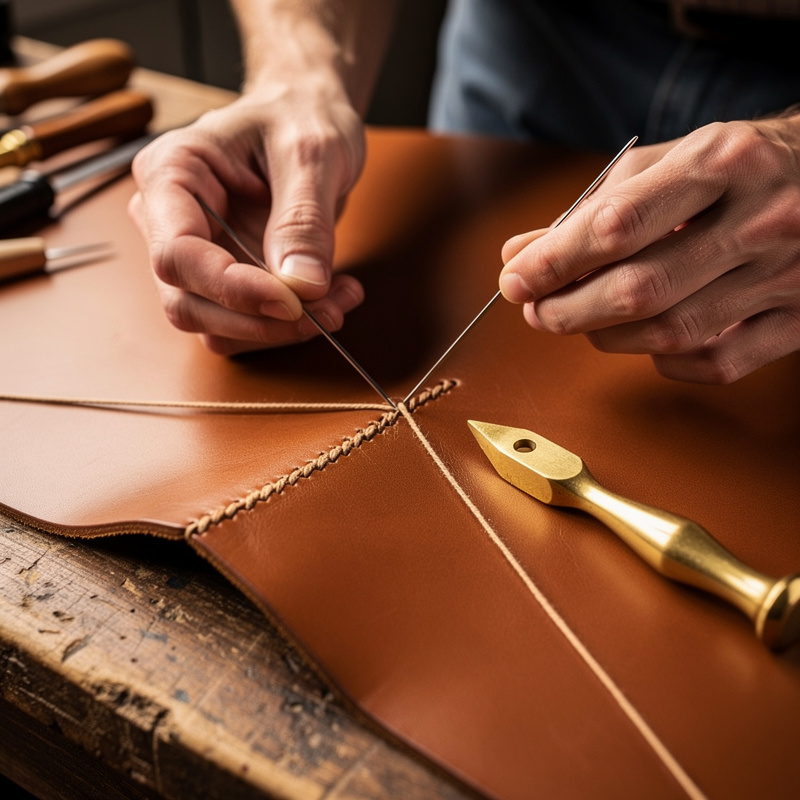
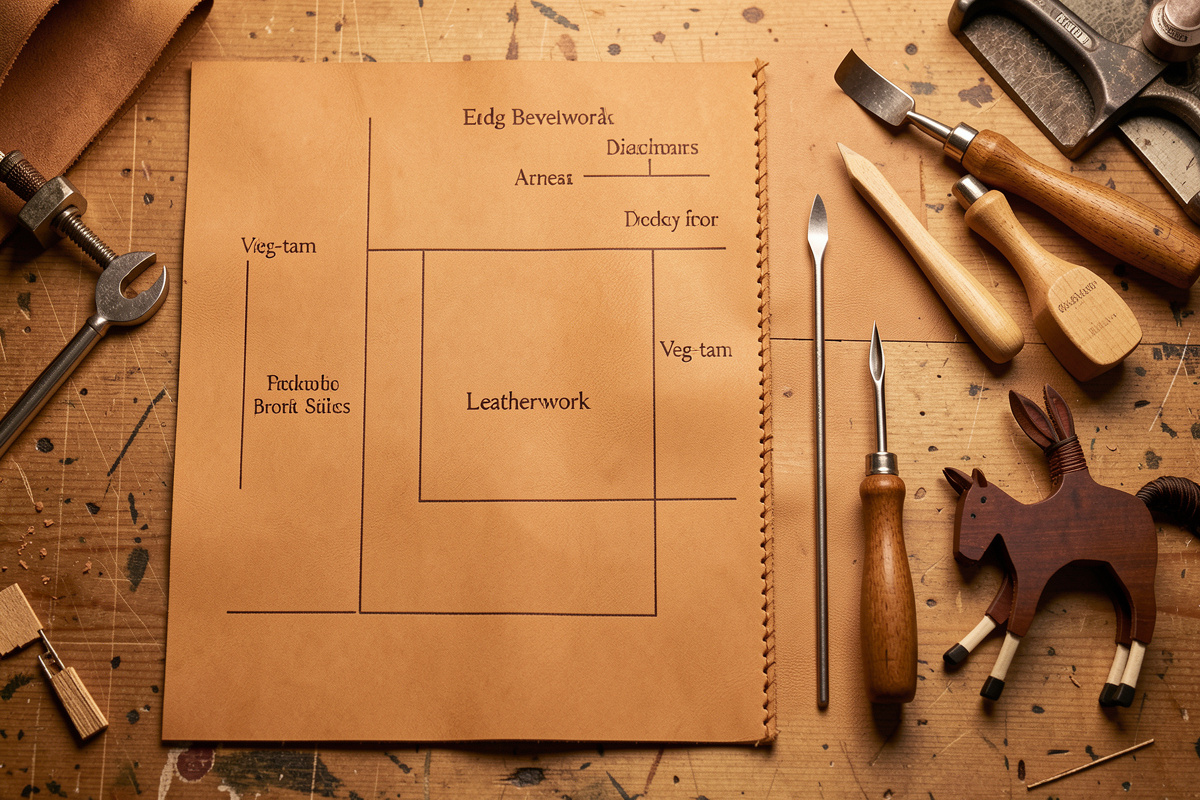
Everything you need to hand-stitch a wallet falls into a short list, and you can assemble it for roughly the cost of a nice dinner out. The essentials, in rough priority order: a cutting mat, a heavy steel straightedge, a sharp knife, a set of pricking irons or a stitching chisel, a diamond awl, two harness needles, a spool of waxed thread, an edge beveler, and a piece of veg-tan to learn on. A burnishing slicker and some Tokonole round it out, and you can finish edges with a scrap of canvas and water before buying even those.
The mistake here is not buying cheap; it is buying the wrong cheap. A cheap cutting mat is fine. A cheap, dull awl is a false economy that makes every stitch a fight. Spend where the tool touches the work and the leather, and save on everything that is just a surface or a holder.
What Each Tier Actually Costs
Here is how the spend stacks up across the three levels I would describe to anyone asking. Figures are rough ranges, not pinned prices, because brands and sales swing them widely.
| Tier | What you get | Rough spend |
|---|---|---|
| Bare minimum | Irons/chisel, awl, 2 needles, thread, mat, rule, knife, beveler, small veg-tan piece | Around $70-120 |
| Comfortable hobbyist | Above plus better irons, Tokonole, wood/printed slicker, dye and finish shelf, stitching pony, more leather | Around $250-400 |
| Fully kitted bench | Above plus French edgers, splitter, head knife, full dye range, airbrush, larger hide inventory | $700+ and open-ended |
The jump that matters is the first one, from nothing to bare-minimum. Everything after that is comfort and capability you add as specific projects demand it, not upfront. I would rather a beginner spend $90 and make ten things than spend $400 and feel they must justify it before they have learned to cut straight.
Where the Money Actually Matters
If your budget is tight, concentrate it on three things: the awl, the irons, and the leather. A good diamond awl kept stropped sharp is the difference between stitches that seat and stitches that pull, and a dull one will frustrate you out of the hobby. Decent pricking irons cut clean, evenly spaced holes that make a hand stitch look machine-precise; bad ones wander. And quality veg-tan behaves predictably while you are still learning, so your mistakes are yours, not the leather’s.
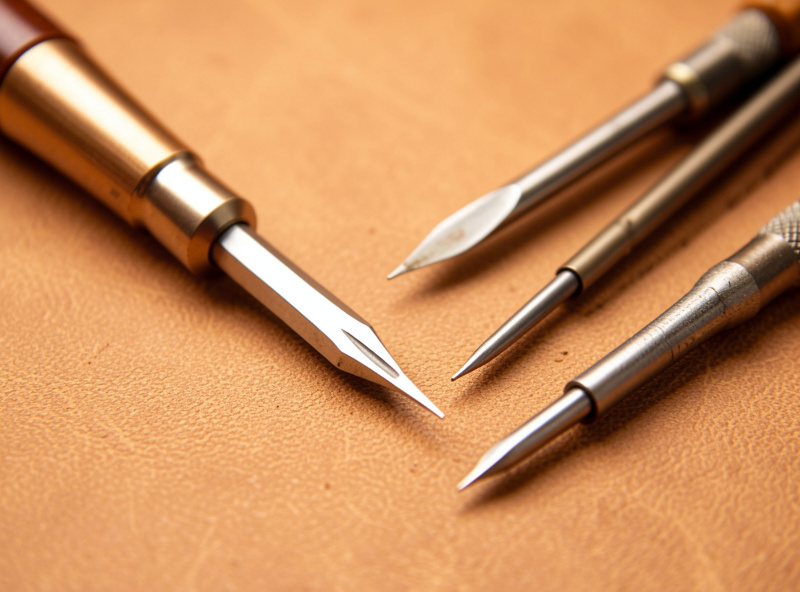
Everything else tolerates thrift. The mat, the rule, the needles, the knife handle, the slicker (which you can even print or turn yourself) are all places to save without it showing in the finished piece. I genuinely started with a $7 utility knife and still reach for one.
Disclosure: LeatherCraftHaven is reader-supported. As an Amazon Associate I earn from qualifying purchases made through links in this article, at no extra cost to you. I only point to gear I actually use or would buy for my own bench.
Starter Kits Versus Buying Piecemeal
All-in-one starter kits are tempting and can be good value, but read what is in them. The good ones bundle a usable awl, irons, needles, thread, and a slicker; the padded ones fill the box with stamps, a swivel knife, and trinkets a beginner will not touch for a year, while the awl and irons inside are the cheapest grade. A leatherworking starter kit is a fine on-ramp if the core tools are decent; otherwise you will replace the awl and irons within a month and the savings vanish.
My honest recommendation: buy the awl, the irons, and the leather individually and well, and let a kit fill in the cheap supporting cast (needles, thread, mat, basic tools). That hybrid spends the money where it counts and saves it where it does not.
Budgeting for the Leather Itself
Tools are a one-time spend; leather is the ongoing one, and it is easy to underestimate. A single quality veg-tan shoulder is not cheap, but it yields many small goods, so the per-project cost is modest once you cut efficiently. Beginners waste leather by cutting without a plan, which is the real hidden cost. Cut your patterns to nest tightly, save offcuts for linings and test pieces, and one shoulder stretches surprisingly far.
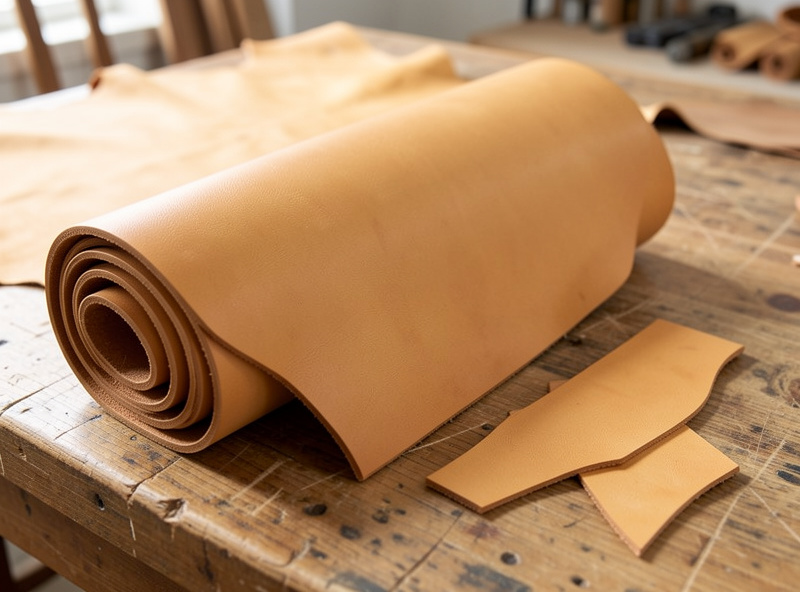
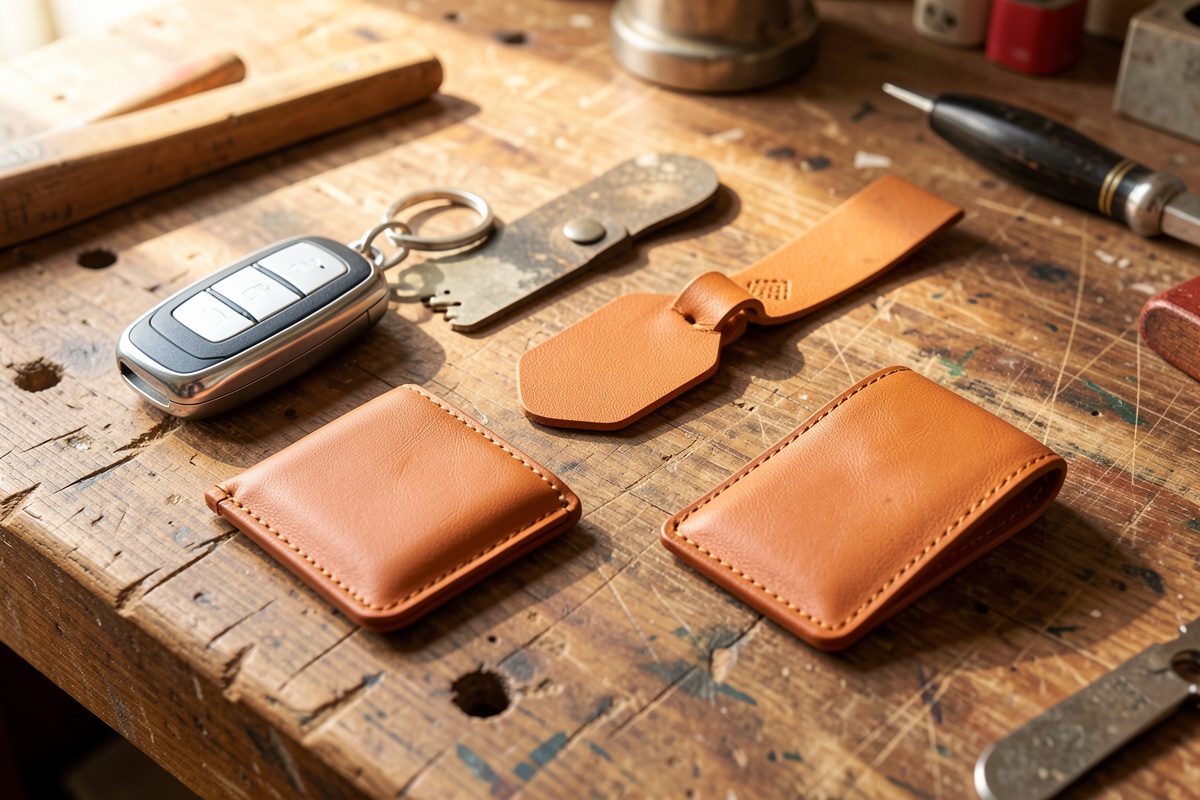
Start with one mid-weight veg-tan shoulder, around 5 oz, which covers wallets, card holders, and small goods, the projects you should be making first anyway. Buy the heavier belt and sheath weights only when you have a belt or sheath actually planned. Matching leather weight to project keeps both the leather budget and the offcut pile under control.
The Ongoing Costs Nobody Mentions
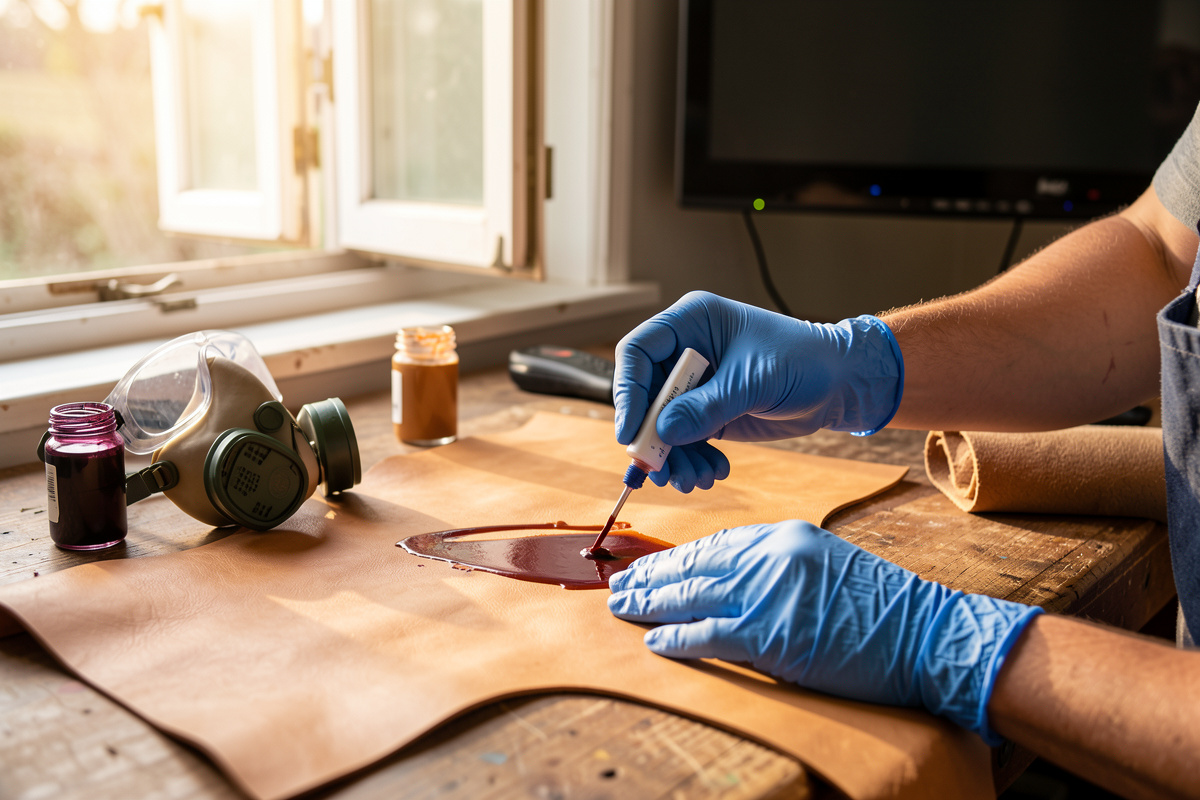
The tool spend is finite, but a few consumables quietly recur, and budgeting for them upfront avoids the annoyance of running dry mid-project. Thread goes faster than beginners expect, since saddle stitching uses a length roughly three to four times the seam. Dye and finish get used and evaporate. Sandpaper for edges wears out. Needles bend and snap. None of it is expensive individually, but a small restock budget keeps the bench working instead of stalling for a missing $6 spool.
The other recurring cost is the one that does not feel like a cost: practice leather. Your first attempts at a new technique should happen on scrap, not on the good shoulder, which means deliberately keeping a pile of cheap or offcut leather purely to ruin while learning. I treat that pile as a line item, because the alternative is learning on expensive leather, and that is the most costly way to start of all.
How much does it cost to start leatherworking?
A bare-minimum hand-stitching kit costs roughly $70 to $120: pricking irons, a diamond awl, needles, waxed thread, a cutting mat, a steel rule, a knife, an edge beveler, and a small piece of veg-tan. That is enough to make a complete, sellable wallet.
What leather tools should a beginner buy first?
Prioritize a sharp diamond awl, good pricking irons, and quality veg-tan leather, the three things that most affect your results. A cutting mat, steel rule, knife, needles, thread, and an edge beveler complete a starter kit, and these tolerate buying cheaper.
Are leatherworking starter kits worth it?
They can be if the core tools are decent. Good kits bundle a usable awl, irons, needles, and thread; padded kits fill the box with stamps and trinkets while the awl and irons are the cheapest grade. Check the core tools before buying.
Where should I spend money and where should I save?
Spend on the awl, the irons, and the leather, the tools and material that touch the work directly. Save on the cutting mat, rule, needles, knife handle, and slicker, which can all be budget or even homemade without affecting the finished piece.
How much leather do I need to start?
One mid-weight veg-tan shoulder around 5 oz is enough to begin, covering wallets, card holders, and small goods. Buy heavier belt or sheath weights only when you have a specific project planned, and save offcuts for linings and test pieces.
Related Guides
- Leather Working for Beginners: A Complete Starter Guide
- Leather Thickness Chart: Ounces to MM for Every Project
- Leathercraft Workspace Setup: Build a Working Bench Anywhere
- Leather Projects for Beginners: The Right First Three Builds