Choosing upholstery leather is mostly about matching the finish tier to how hard the piece will be used: aniline for natural beauty in low-traffic spots, pigmented for durable…
Choosing upholstery leather is mostly about matching the finish tier to how hard the piece will be used: aniline for natural beauty in low-traffic spots, pigmented for durable family-and-pet furniture, and semi-aniline as the middle ground. Then add weight, grade and 20 to 30 percent extra hide for scars, and you have made the decision that determines how the piece looks and lasts.
I get asked to help pick upholstery leather more than almost anything else, and the same wrong instinct comes up every time: people choose by color and softness in the showroom and ignore the finish, which is the spec that actually decides durability. This guide fixes that order of operations. For where upholstery leather sits among all the soft hides, start with my garment and upholstery leather guide.
The Finish Tier Decides Everything
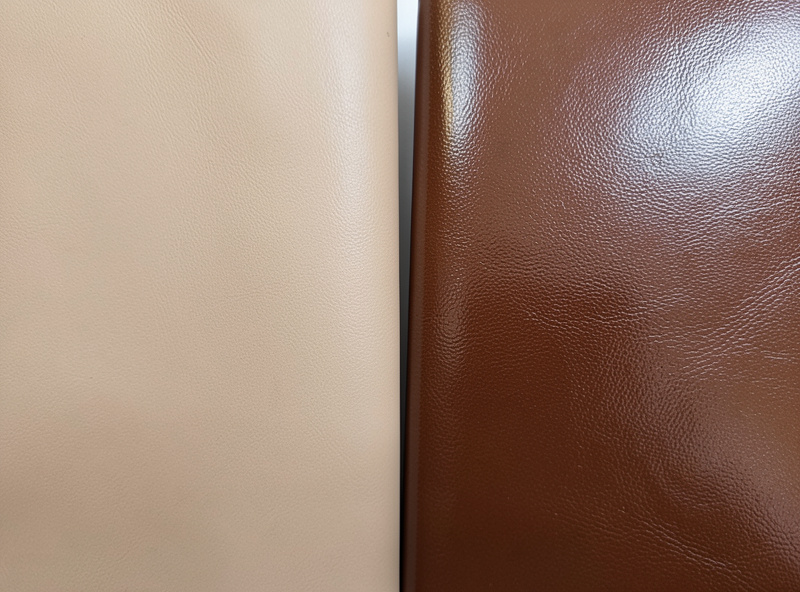
Upholstery leather is graded mostly by finish, and finish is the trade-off between natural feel and durability. Aniline is dyed through with no surface pigment — the most natural look and hand, but it stains, scratches and fades fastest. Pigmented (protected) leather wears a pigment-and-topcoat layer that makes it tough and wipe-clean at the cost of some character. Semi-aniline splits the difference with a light protective coat, and pull-up is an oiled aniline that lightens dramatically where it flexes, the same surface behavior I describe in pull-up leather patina.
| Finish | Look & feel | Durability | Best for |
|---|---|---|---|
| Aniline | Most natural, soft, matte | Low — stains and fades | Low-traffic chairs, showpieces |
| Semi-aniline | Natural with light protection | Medium-high | Most living-room furniture |
| Pigmented | Uniform, slight surface coat | High — wipe clean | Family sofas, high traffic |
| Pull-up | Waxy, lived-in, lightens on flex | Medium, hides wear well | Casual, rustic pieces |
Automotive leather is essentially heavy pigmented upholstery, built for sun and constant abrasion, which is why I keep cleaning automotive leather as its own guide. If a supplier will not tell you the finish tier, treat that as a warning sign.
Grading: What the Letters and Cuts Mean
Tanneries grade upholstery hides on surface quality — how many bug bites, scars, brand marks and growth wrinkles a hide carries. Higher grades cost more and yield more usable area; lower grades are cheaper but you cut around more defects. There is no universal grading scale, so the letter or number a supplier uses means whatever their own chart says it means. Read that chart rather than assuming an “A” is the same everywhere.
The grain matters too, exactly as it does across all leather: full-grain keeps the natural surface and ages best, while corrected grain is sanded and embossed for uniformity. My full grain vs top grain guide explains the difference, and types of leather ties grade, grain and tannage together. Country of tannage can hint at consistency, which I cover in leather tannery regions.
Weight, Backing and Temper
Upholstery leather runs a touch heavier than garment leather — commonly 2 to 4 oz (0.8 to 1.6 mm) — because furniture panels need a little more body to hold a tailored shape without being stiff. Thinner hides drape softly over loose cushions; firmer, slightly heavier hides suit tight-upholstered frames with crisp edges. My leather thickness chart converts the ounce figures to millimeters so you can compare suppliers on the same scale.
All of it is chrome-tanned for suppleness, the reason it behaves nothing like firm veg-tan — see chrome tan vs veg tan leather. And confirm you are buying real top-grain hide, not a coated split or bonded product dressed up as leather; my real leather vs bonded test shows how to tell.
How Much Leather Your Project Needs
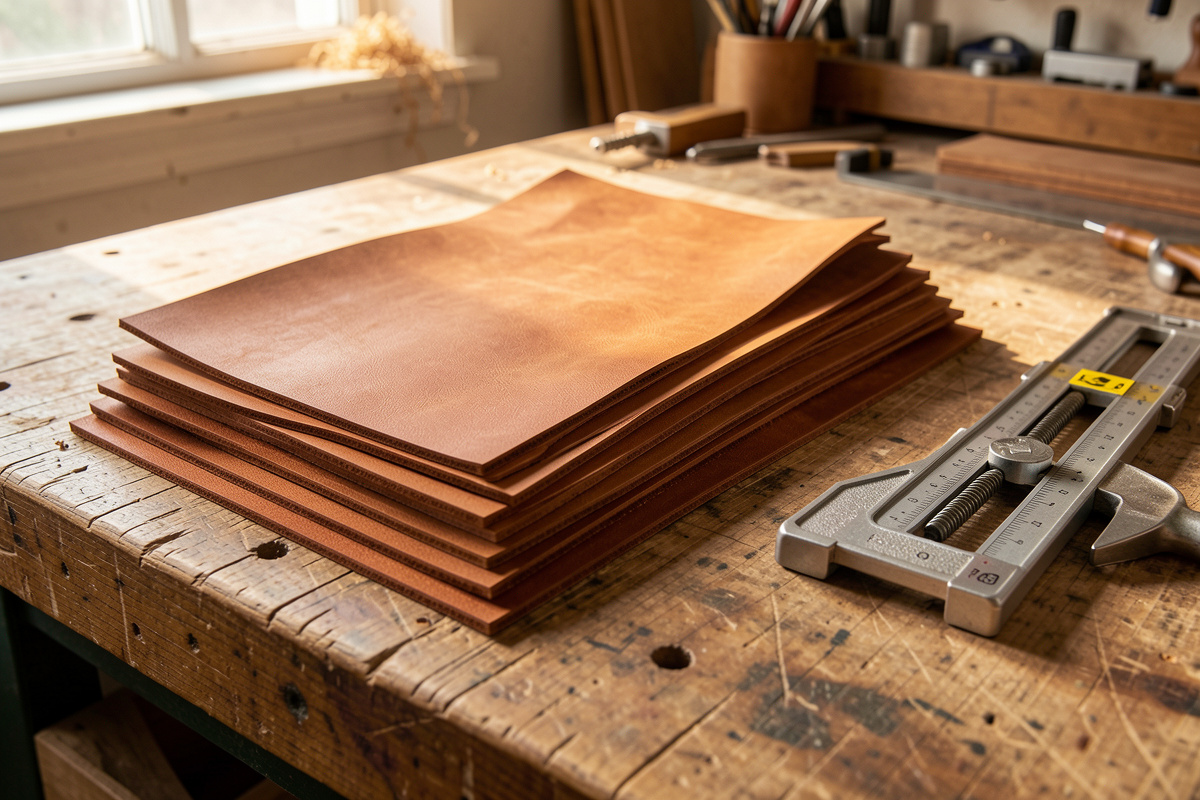
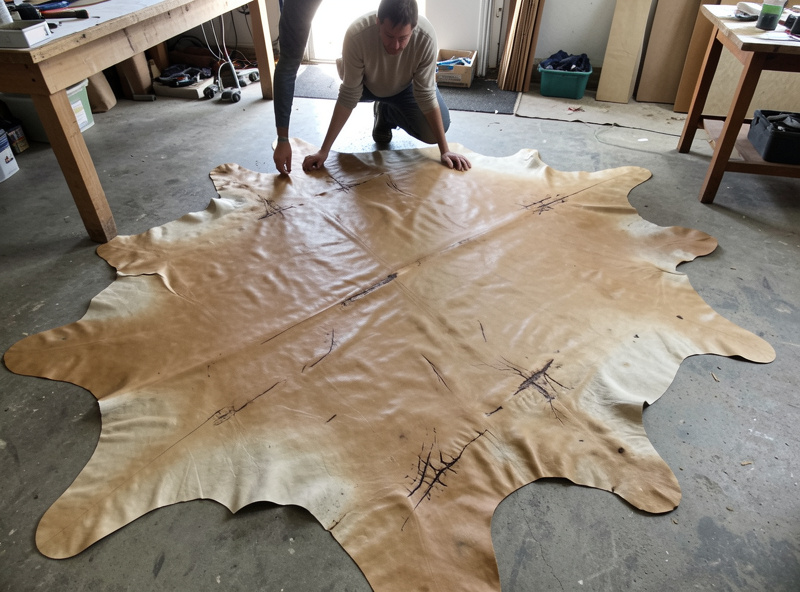
Upholstery leather is sold by the square foot, usually as full hides averaging 45 to 55 square feet each. The mistake is buying to the bare pattern area. Hides carry scars, neck wrinkles and range marks that you cut around, so usable yield is well below the gross figure. I budget 20 to 30 percent over the measured pattern area for pieces with large uninterrupted panels, because one defect landing center-cushion wastes a whole panel.
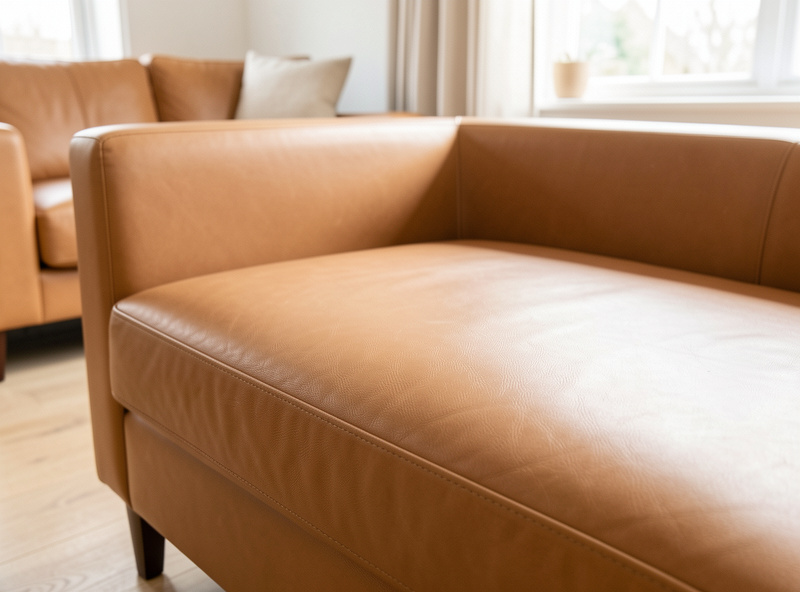
As rough planning numbers: a standard armchair runs in the region of 50 to 75 square feet, and a three-seat sofa often needs 130 to 200 square feet depending on style — meaning several full hides. Always confirm the exact yardage with your upholsterer’s pattern before ordering, and order it all from one dye lot.
Matching Leather to the Room
The right leather depends entirely on the life the piece will live. My selection questions are always the same: How much daily traffic? How much direct sun? Kids or pets? How natural a look do you want, and are you willing to maintain it? Heavy traffic plus sun plus pets points straight at pigmented or semi-aniline. A reading chair in a shaded corner can carry full aniline and earn a beautiful patina. Direct sun is the quiet killer — even protected leather fades over years in a sunny window, and aniline fades fast.
Be honest about maintenance, too. Aniline rewards people who will condition it and blot spills immediately; pigmented forgives the rest of us. Whatever you choose, plan for upkeep using my leather care and restoration guide, and know that repairs are possible later via repairing leather furniture.
Buying Smart: Samples and Dye Lots
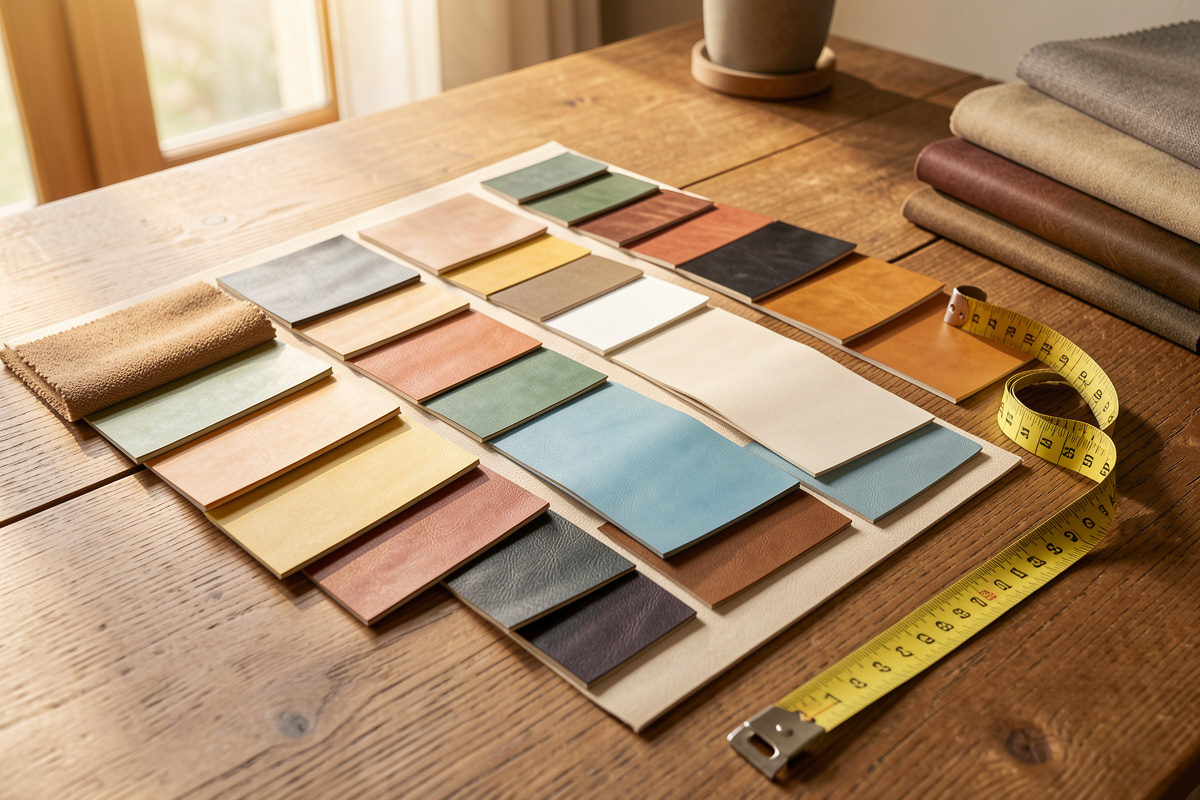
Always order samples before committing. A swatch in your own room, under your own light, tells you the color, finish and hand in a way no screen can. Check the sample for the finish tier, scratch resistance with a fingernail, and how the color shifts between daylight and lamplight. Then order the whole project from a single dye lot — leather color varies batch to batch, and mixing lots on one sofa shows.
Buy from suppliers who publish weight, finish and grade, and who will state whether the square footage is gross hide or usable. Those three confirmed numbers, plus a physical sample, prevent almost every bad upholstery-leather order I have seen.
As an Amazon Associate I earn from qualifying purchases. Before committing to hides, a set of upholstery leather sample swatches and a quality leather protection cream are worth having on hand.
Frequently Asked Questions
What is the most durable upholstery leather?
Pigmented (protected) leather is the most durable. Its pigment and topcoat layer resists stains, scratches and fading and wipes clean, which is why it is standard on family sofas, high-traffic furniture and car seats.
What is the difference between aniline and semi-aniline leather?
Aniline is dyed through with no surface pigment for the most natural look but the least protection. Semi-aniline adds a thin protective topcoat, keeping much of the natural feel while resisting spills and light far better, making it ideal for most furniture.
How much leather do I need to upholster a sofa?
A three-seat sofa often needs 130 to 200 square feet, which is several full hides, while an armchair runs about 50 to 75. Add 20 to 30 percent over the pattern area for scars and range marks, and order it all from one dye lot.
What weight leather is used for upholstery?
Upholstery leather is commonly 2 to 4 oz, about 0.8 to 1.6 mm. Thinner hides drape over loose cushions, while slightly heavier hides suit tight-upholstered frames with crisp edges. It is chrome-tanned for suppleness.
Is aniline leather good for a family with pets?
Generally no. Aniline stains, scratches and fades fastest, so for pets, kids and high traffic, pigmented or semi-aniline leather is the better choice. Save full aniline for low-traffic chairs out of direct sun.
Does upholstery leather fade in sunlight?
Yes. Direct sun fades all leather over time, and aniline fades quickly. Even pigmented leather fades after years in a sunny window, so position leather furniture out of constant direct sunlight and condition it regularly.
Related Guides
- Garment and Upholstery Leather: The Complete Bench Guide
- Types of Leather: Tannage, Grade and Weight
- Pull-Up Leather Patina
- Repairing Leather Furniture
- Cleaning Automotive Leather
- Leather Care and Restoration Guide