“Where was it tanned” is a real signal about leather, but it is a looser one than the marketing makes it sound. A region’s reputation comes from its…
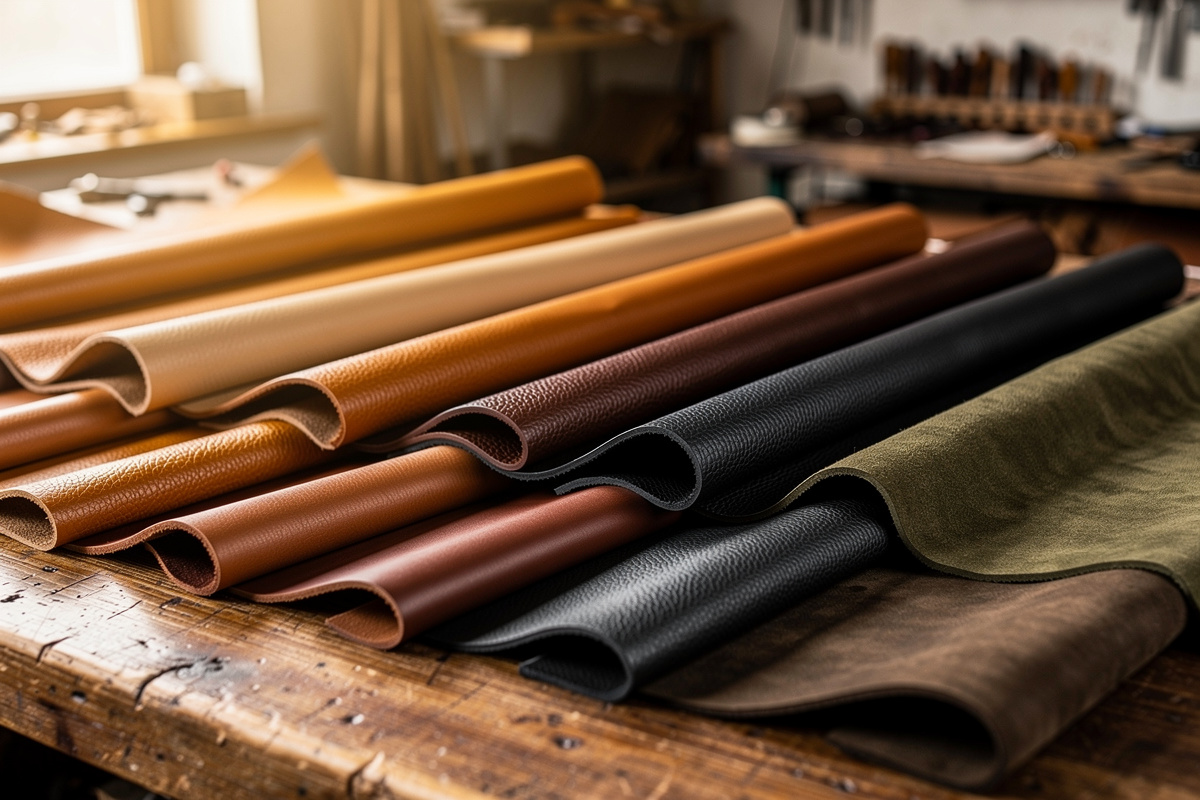
“Where was it tanned” is a real signal about leather, but it is a looser one than the marketing makes it sound. A region’s reputation comes from its tanning traditions, the tanneries that built a name there, and the kind of leather that area specialized in — but a country is not a guarantee, and there is excellent and mediocre leather coming out of every tanning region on earth. After years of buying hides from several of these regions, what I have settled on is this: treat country-of-tannage as useful context for what to expect, then judge the actual hide in front of you, because the tannery matters far more than the flag.
This guide walks the major leather tanning regions, what each is known for and why, and how to use that knowledge without falling for the “Italian leather equals good leather” oversimplification that catches so many buyers.
Why region became a signal at all
Tanning is old, local, and tradition-bound. Regions developed around access to hides, water, tannin sources (oak, chestnut, quebracho bark) and trade routes, and the tanneries that thrived in a place passed techniques down and built reputations over generations. So a region’s “style” is really the accumulated specialty of its long-running tanneries — the leather types they got famous for and the methods they refined. That is genuine, and it is why some regional names carry weight.
But two things dilute it. First, a country name on a label tells you nothing about which tannery or grade — a region with world-class houses also has budget operations trading on the same reputation. Second, modern supply chains move hides and finished leather across borders, so “Italian leather” might be Italian-tanned hides from cattle raised elsewhere, or finished in Italy from leather tanned elsewhere. Region is context, not a certificate.
The major tanning regions and their reputations
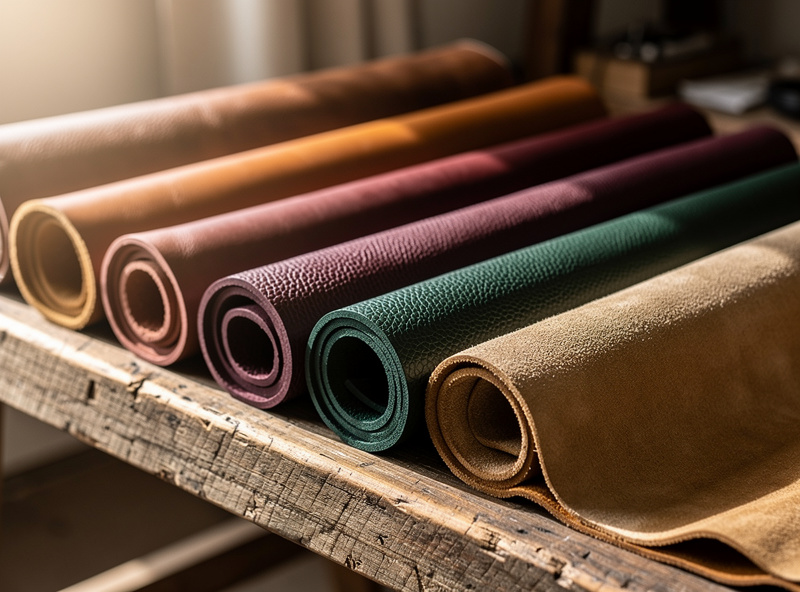
Here is how the main regions are generally understood, with the honest caveat that these are reputations and specialties, not rankings.
| Region | Known for | Typical character |
|---|---|---|
| Italy (Tuscany) | Vegetable-tanned leather; fashion & goods leather | Refined veg-tan, rich colors, a long bark-tanning tradition |
| USA | Heavy veg-tan, harness & saddle leather | Firm, robust shoulders and bends for belts, sheaths, tack |
| England | Bridle leather, oak-bark tanning | Dense, waxed/stuffed bridle; traditional slow oak-bark tanneries |
| France | Fine calf, luxury goods leather | Refined chrome and combination calf for high-end accessories |
| Germany | Boxcalf, structured fine leather | Precise, consistent fine leathers with a technical reputation |
| Japan | Specialty veg-tan, exacting finishing | Meticulous finishing; some houses replicate cordovan and fine veg-tan |
Notice what the table is really telling you: each region’s reputation is tied to a leather type. “Italian” means something specific when it means Tuscan vegetable tanning; it means much less stamped on a random chrome-tanned panel. The signal is strongest when the region and the leather type match the tradition it is famous for.
The vegetable-tanning consortium that actually means something
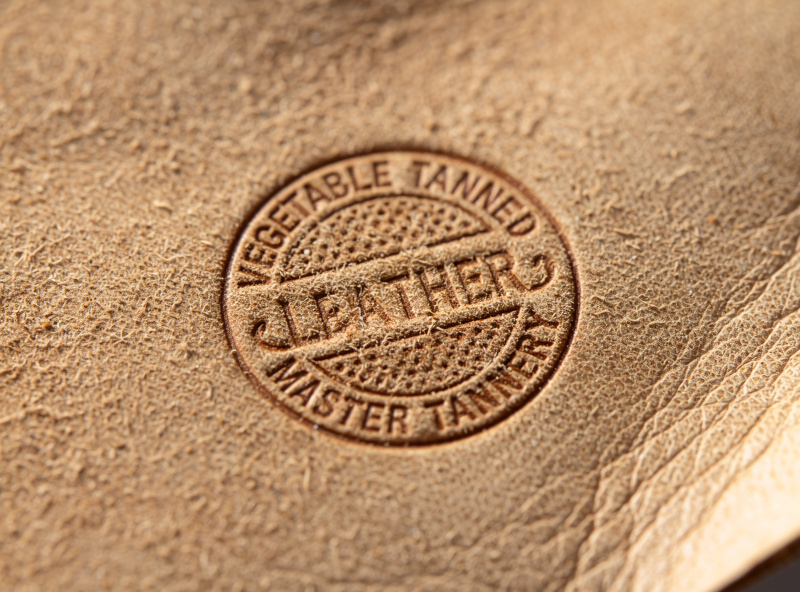
There is one regional marker with real teeth. A group of Tuscan tanneries operates under a consortium that certifies genuine, traditional vegetable-tanned leather from that region with a stamped guarantee on the hide. Unlike a vague “made in Italy,” that mark is a verifiable claim about method (traditional veg-tanning) and origin (those member tanneries). It is a good example of how region becomes meaningful: not as a country name, but as a documented standard tied to specific houses and a specific process. When I want guaranteed traditional Tuscan veg-tan, I look for that mark rather than the word “Italian.”
How I actually use country-of-tannage
The practical workflow that keeps me from overpaying for a flag:
- Use region to set expectations, then verify the hide. If I want heavy harness leather, the US and English traditions point me in the right direction — but I still check the actual weight, temper, grain and cut quality of the specific hide.
- Name the tannery, not just the country. Reputable suppliers tell you which tannery a hide came from. A named, known tannery is worth far more than “imported leather.” If the seller can only tell me the country, that is a yellow flag.
- Match region to leather type. The reputation only transfers when the type matches the tradition. Tuscan veg-tan, English bridle, American harness — region-plus-type is the meaningful unit.
- Don’t pay a premium for the word alone. “Italian leather” with no tannery, no grade, and no veg-tan certification is a marketing phrase. Judge the leather, not the label.
The high-volume regions and where they actually fit
The reputation map above is heavy on the heritage names, but most leather by volume comes from large producers in countries like India, Pakistan, Mexico, Brazil and China, and it is a mistake to write those off. They supply an enormous range, from genuinely good leather to the cheapest commodity hides, and a lot of perfectly fine working leather and accessory hide is tanned there. The catch is consistency: the spread between best and worst is wider, and the marketing context is thinner, so you lean even harder on the named-tannery and inspect-the-hide rules rather than the country. I have bought solid, honest leather from high-volume regions for prototyping and practice pieces where I did not want to cut into expensive heritage veg-tan — the trick is to set price-appropriate expectations and check the actual hide, exactly as you would anywhere. Cheap is not a synonym for bad; unverified is the real risk, and that is true at every price point and from every country.
What “country” never tells you
A few things region cannot substitute for, no matter how prestigious: the grade (full-grain vs corrected vs split — a top region still produces lower grades), the weight for your project, the tannage for the job (a famous chrome house’s leather still will not burnish like veg-tan), and the condition of the specific cut you are sent. I have had beautiful hides from “unfashionable” regions and disappointing ones with prestigious labels. The flag narrows the odds; it never closes the deal.
Buying smart across regions
You do not need exotic sourcing to apply this — you need to buy in a way that lets you judge the hide.
Disclosure: LeatherCraftHaven is reader-supported. As an Amazon Associate I earn from qualifying purchases made through links in this article, at no extra cost to you. I only point to gear I actually use or would buy for my own bench.
The cheapest way to learn how different regions and tannages actually feel is to compare them side by side, and a mixed veg-tan leather scrap pack lets you handle several characters without buying full hides. When you do buy by the hide, a simple leather thickness gauge lets you verify the weight you were actually sent matches what a region’s reputation promised — because the hide, not the flag, is what you build with.
Where tannage-by-region fits in
Country-of-tannage is one more axis on top of the fundamentals. The behavior of a leather still comes down to its tannage, so my chrome tan vs veg tan guide is the more important read for most decisions; the full grain vs top grain breakdown covers the grade that region cannot substitute for; and the types of leather overview ties tannage, grade, weight and origin together.
Frequently Asked Questions
Is Italian leather actually better?
Sometimes, when it means genuine traditional Tuscan vegetable-tanned leather from a reputable tannery — that tradition is excellent and deserves its reputation. But Italian on a label alone tells you nothing about the tannery, grade, or even whether the hide was really tanned there. Italy also produces budget leather trading on the name, so judge the specific hide, not the country.
Which country makes the best leather?
There is no single best country — different regions specialize in different leather types. Italy is known for fine veg-tan, the US and England for heavy harness and bridle leather, France and Germany for fine calf, Japan for exacting finishing. The best leather for you depends on matching a region’s specialty to your project, then judging the actual hide.
Does country of tannage guarantee quality?
No. A region’s reputation is built on its long-running tanneries and traditions, but every region produces a range of grades, and a country name says nothing about which tannery or grade you are getting. Country narrows the odds and sets expectations; the specific tannery and the hide in front of you decide actual quality.
What is the Tuscan vegetable-tanned leather mark?
It is a consortium certification used by a group of Tuscan tanneries that guarantees genuine traditional vegetable-tanned leather from those member houses, stamped on the hide. Unlike a vague made-in-Italy claim, it certifies both method (traditional veg-tanning) and origin (the member tanneries), which makes it a far more meaningful regional signal than a country name.
Should I pay more for leather because of its country?
Only if the region-plus-type combination matches what you need and the hide itself checks out — and ideally with a named tannery or a real certification behind it. Paying a premium for the word Italian or French alone, with no tannery, grade or veg-tan mark, is paying for marketing. Always judge the leather over the label.
Related Guides
- Types of Leather: Tannage, Grade and Weight
- Chrome Tan vs Veg Tan Leather
- Full Grain vs Top Grain Leather
- Best Leather for Wallets