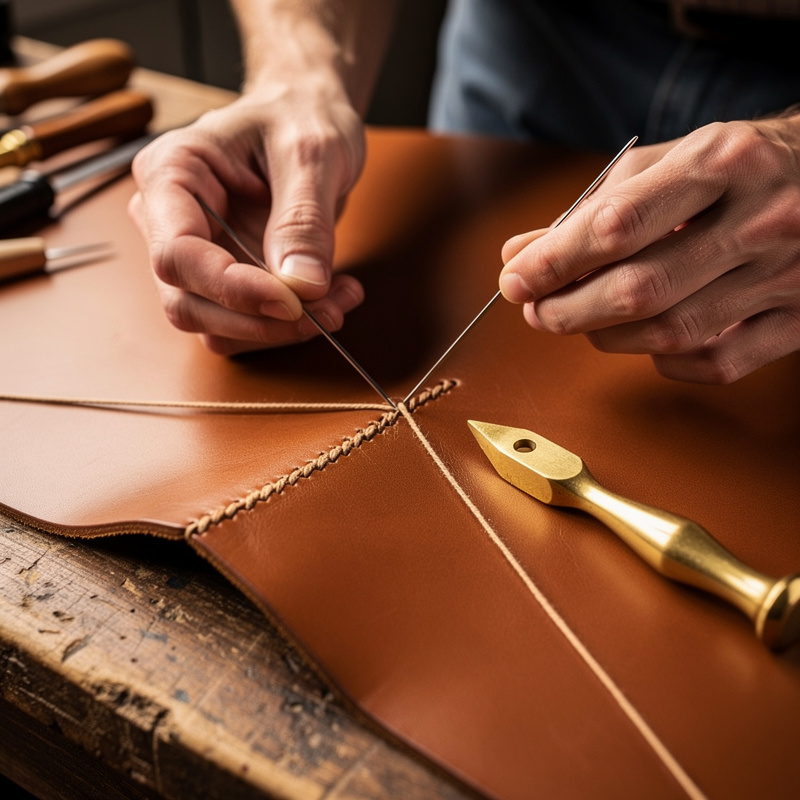
The best leather for straps is firm, low-stretch veg-tanned leather cut from the bend: English bridle in 8–9 oz for most straps, harness leather for anything that lives…
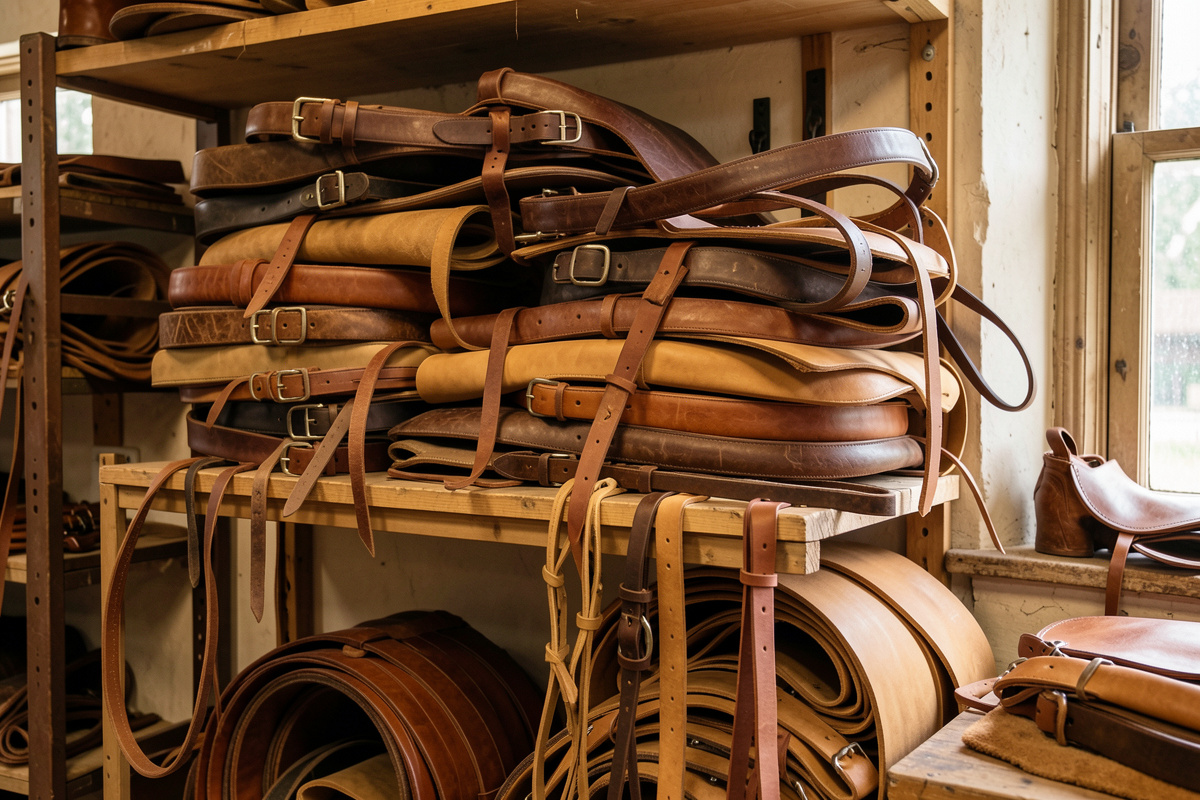
The best leather for straps is firm, low-stretch veg-tanned leather cut from the bend: English bridle in 8–9 oz for most straps, harness leather for anything that lives outdoors or under heavy load. Both are dense, hot-stuffed with waxes, and barely elongate under tension — which is the one property a strap cannot do without. Soft chrome-tan feels better in the shop and fails first in use.
I learned this the expensive way. Years ago I built a camera strap from a gorgeous soft chrome-tan shoulder because it felt right coiled in my hand — supple, smooth, everything a marketing page calls “buttery.” Within a month it had stretched close to two inches under the weight of a body and a fast lens, and my camera hung lower every week. The leather was not defective; it was just the wrong leather for a load-bearing part. That single ruined strap taught me to choose leather for how it behaves under tension, never for how it feels on the shelf.
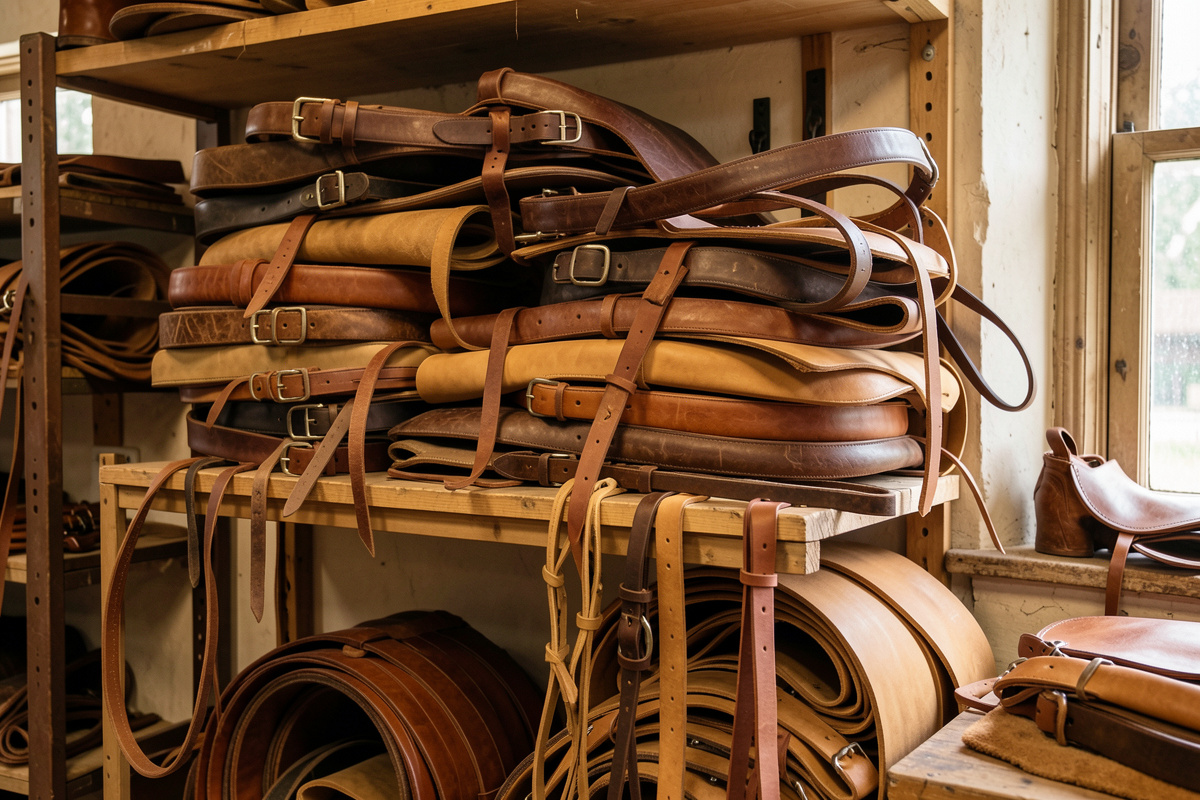
If you are still deciding what to build, the full strap-making projects guide maps the whole family. This page is about the one decision that is hardest to undo: which hide to buy.
What Is the Best Leather for Straps Overall?
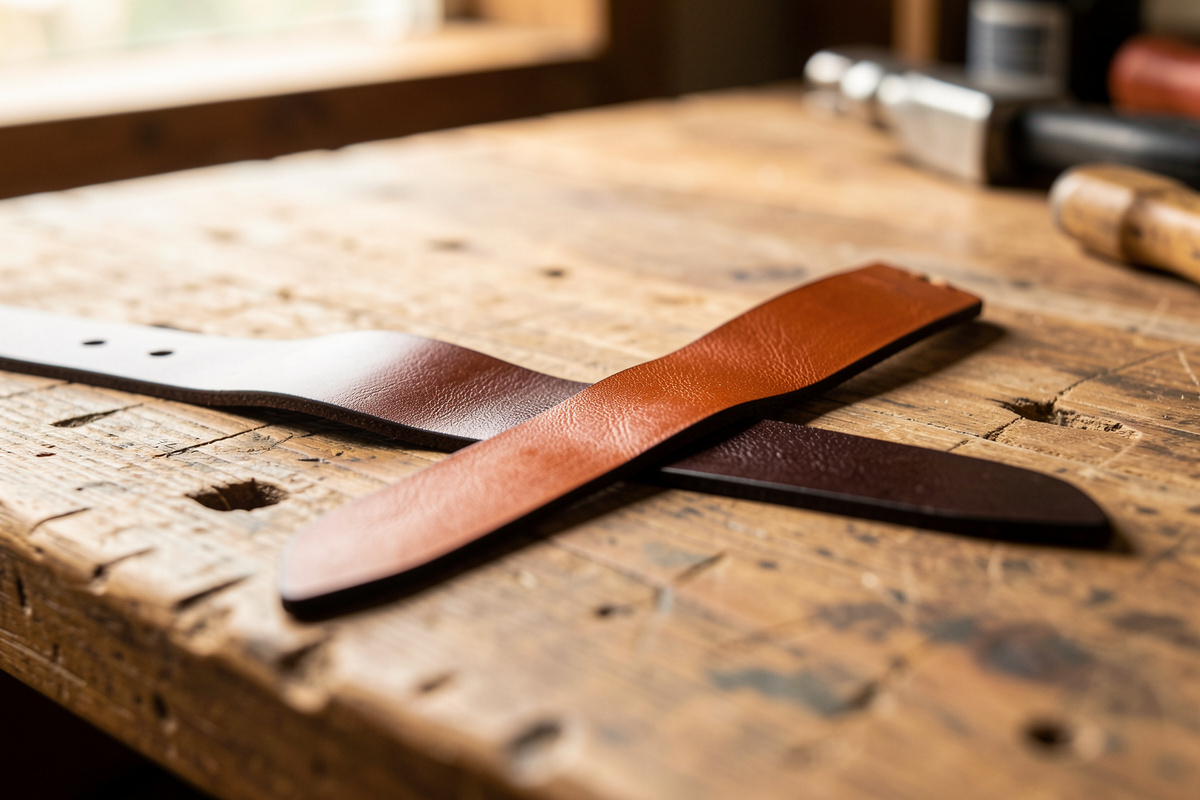
English bridle leather is the best all-around strap leather. It is veg-tanned for firmness, then stuffed with waxes and oils that make it dense, low-stretch, and weather-resistant, and it takes a burnished edge cleanly. For a first strap, a firm bridle bend in 8–9 oz is the most beginner-proof choice you can buy — it resists the stretch and pull-through that ruin most homemade straps.
The reason comes down to tannage and cut. Vegetable tanning uses tannins from bark and produces a firm, dense leather that holds a shape, tools, molds, and burnishes — the structural leather. Chrome tanning uses chromium salts and produces a soft, stretchy, water-resistant leather — the garment-and-upholstery leather. A strap is structural, so it wants veg-tan. Bridle leather is veg-tan taken one step further: after tanning it is heavily “stuffed” with a blend of waxes, tallows, and oils worked into the fibers, which is why a bridle strap flexes thousands of times without cracking and barely stretches under load. I keep firm bridle bends from Wickett & Craig and Hermann Oak on the shelf, and both tanneries publish weight and temper specs so you know what you are getting before it ships (Wickett & Craig, Hermann Oak).
The cut matters as much as the tannage. A hide stretches least along the backbone and most across it, and the belly and flanks are the loosest, weakest areas. Strap leather comes from the bend — the firm section along the spine, away from the belly — and you cut straps lengthwise, parallel to the backbone, for the least stretch. A cheap import “veg-tan” side that includes a lot of belly will give you a strap that elongates no matter how firm the sample felt, because you cut it from the stretchy part of a loose hide.
Bridle vs Harness vs Veg-Tan vs Chrome-Tan: Which Strap Leather Wins?
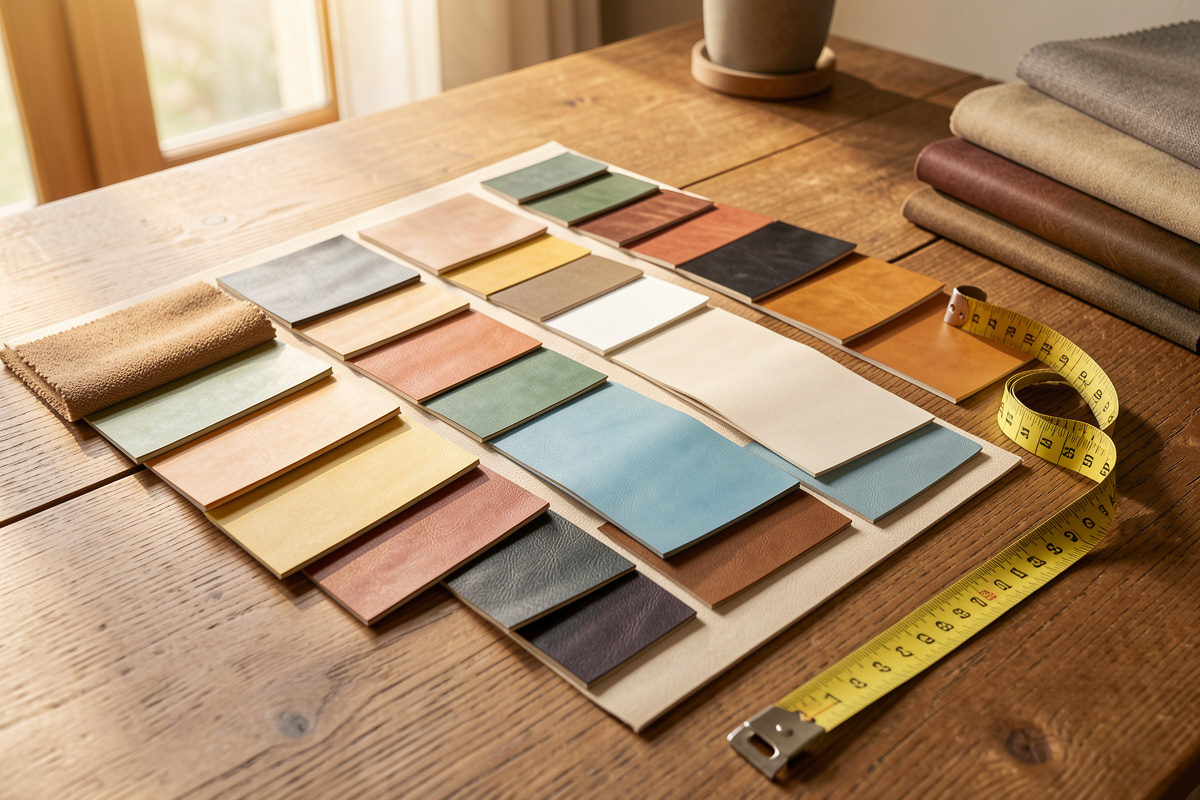
For load-bearing straps, bridle and harness win decisively. Bridle is the refined choice for belts, guitar straps, and dress straps; harness is the rugged choice for tool belts, dog leads, and outdoor gear. Plain veg-tan works but needs sealing to match their weather resistance, and chrome-tan belongs only in padded or lined builds where structure comes from construction, not the hide.
Here is how the four classes actually compare on the bench, from years of cutting and stitching all of them:
| Leather type | Stretch under load | Edge burnish | Weather resistance | Best strap use |
|---|---|---|---|---|
| English bridle | Very low | Excellent, fast | Good (wax-stuffed) | Belts, guitar, dress straps |
| Harness | Very low | Very good | Excellent (hot-stuffed) | Tool belts, leads, outdoor |
| Plain veg-tan | Low to moderate | Excellent | Poor until sealed | Tooled straps, indoor use |
| Chrome-tan | High | Will not slick | Excellent | Padded core wraps only |
| Import bargain veg-tan | Unpredictable | Variable | Poor | Practice cuts, not real straps |
The one that surprises people is that last row. A cheap “veg-tan” side sold as strap leather is often loose, inconsistent in temper across the hide, and cut with too much belly — you get a strap that feels fine at first and stretches unevenly later. I keep a bargain side around for practicing cuts and edge work, never for a strap I intend to trust. If you are buying for a real project, a named-tannery bridle or harness bend is worth every extra dollar, and you can find bridle leather belt blanks pre-cut if you do not want to buy a whole bend. When I do seal a plain veg-tan strap for weather resistance, I reach for Fiebing’s neutral Resolene rather than a generic topcoat — it does not darken the leather or gum up an edge I already burnished.
As an Amazon Associate I earn from qualifying purchases.
What Weight of Leather Should a Strap Be?
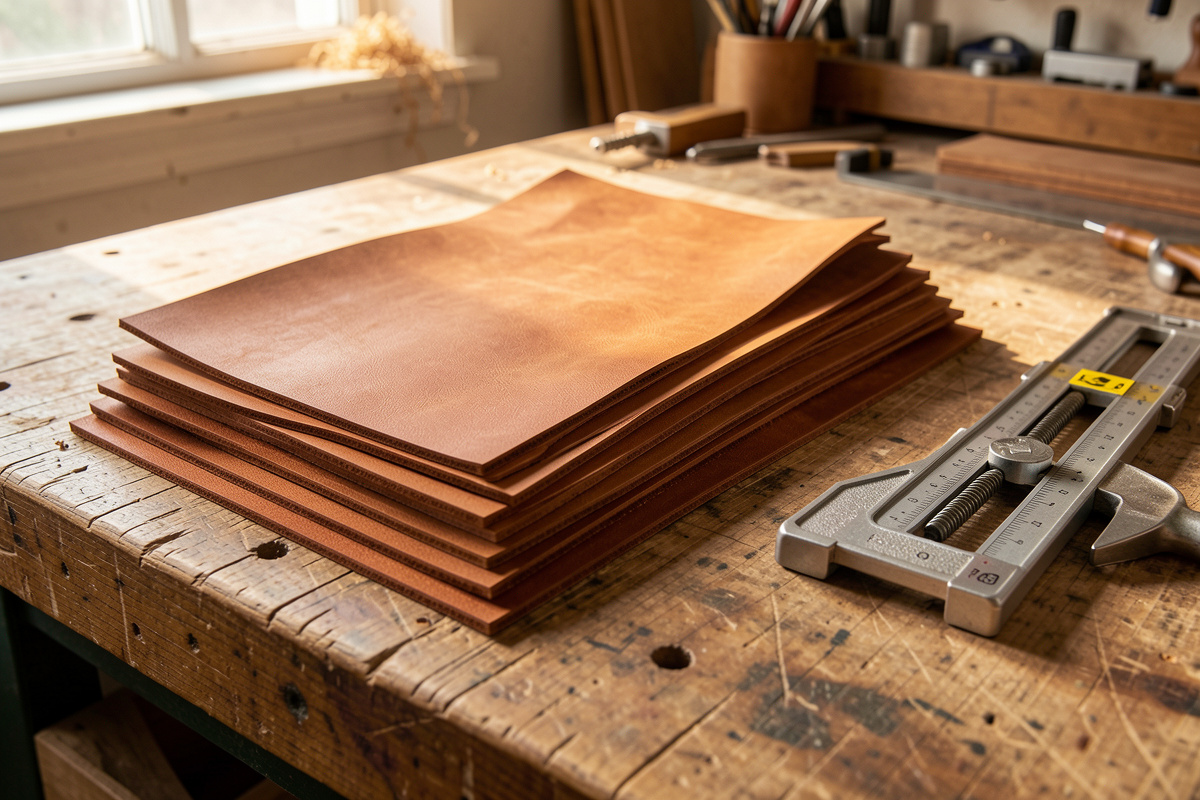
Match ounce weight to the load: 3–4 oz for watch straps, 5–7 oz for camera straps, 6–8 oz for guitar straps, 7–9 oz for dress belts, and 9–12 oz for heavy tool belts. Ounce weight measures thickness — roughly 1 oz per 1/64 inch — and thicker leather resists stretch, while width spreads pressure. Under-weight leather stretches; over-weight leather is stiff and hard to fold at hardware.
The mistake I see most is people buying one heavy hide and using it for everything. A 9–10 oz belt bend is perfect for a work belt and miserable for a watch strap — it will not fold cleanly at the lugs and looks clumsy. Conversely, a 4 oz strap under a heavy camera stretches and sags. On my own bench I stock a few weights on purpose: 3–4 oz for linings and small straps, 5–6 oz for camera and lighter goods, and 8–10 oz bridle for belts and heavy straps. The weight is not about strength alone — it is about how the strap folds, drapes, and resists the specific load. When a strap needs comfort under weight, I do not add thickness; I add width or build in padding, which the strap padding guide covers in full.
How Do You Test a Hide Before Trusting It Under Load?
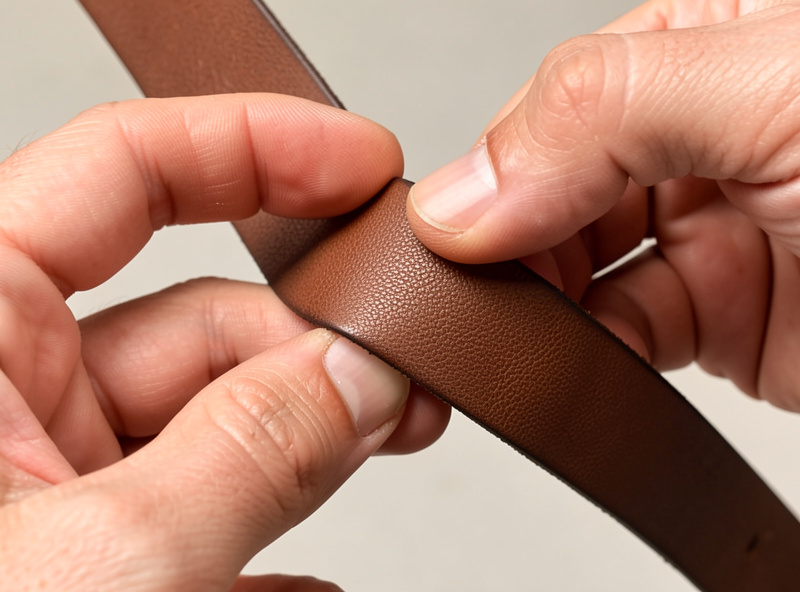
Run a simple stretch-and-flex test: hold a strap-width piece by one end so it hangs, then flex it hard back and forth a dozen times. Firm strap leather barely elongates and springs back; a hide meant for garments visibly stretches and stays lengthened. Feel the temper too — strap leather should have a dense, board-like firmness, not a soft drape.
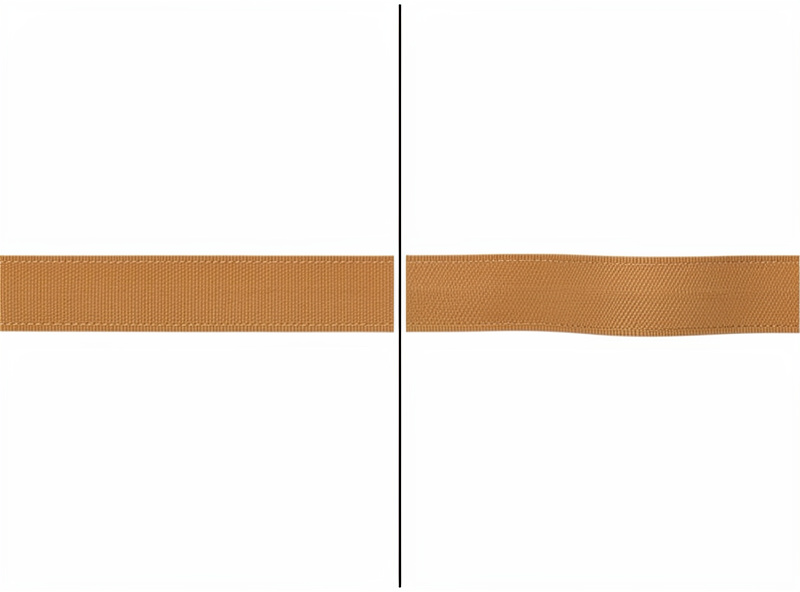
I do this with every new hide before I cut a real project from it, because tanneries and weights vary and a sample can mislead. The sensory tells are consistent once you know them: firm bridle makes a solid, muffled sound when you flex it and feels cool and dense to the fingers, almost waxy from the stuffing; a stretchy chrome-tan or belly-heavy veg-tan feels warm, soft, and gives when you pull it. I also press a thumbnail into the flesh side — firm strap leather barely marks and the mark fades; loose leather takes a lasting dent. None of this is exotic; it is thirty seconds that saves you from building a strap that fails. The one time I skipped this test, I trusted a “premium veg-tan” side that turned out loose in the middle, and a belt cut from it developed a wavy stretch along its length within a season.
When Is Chrome-Tan the Right Choice for a Strap?
Chrome-tan belongs in strap builds where structure comes from construction rather than the leather itself — as the soft outer wrap of a padded strap with a firm veg-tan core, or as an apron neck strap where you want give against your skin. As a single load-bearing layer it always fails, but as a comfort layer over a firm core it is exactly right.
This is where beginners over-correct. Once someone learns that soft leather stretches, they swear off chrome-tan entirely — and then wonder why their firm bridle camera strap bites into their neck. The answer is that comfort and structure are separate jobs. On a padded camera strap I use a firm veg-tan or bridle core for the load, a foam or shim for cushion, and a soft chrome-tan wrap for the face that touches skin. The chrome-tan carries no load; it just feels good. An apron neck strap is the rare case where I want the whole strap soft, because it bears little weight and rests against your neck for hours — the leather apron build uses exactly that logic. Knowing which leather does which job is the whole skill.
Does the Leather Choice Affect How Hardware Holds?
Yes. Firm, dense leather grips rivets and screws far better than soft leather, which tears and elongates around the hole under load. A stitched fold in firm bridle holds hardware almost indefinitely; the same fold in soft chrome-tan slowly pulls through. Leather choice and hardware anchoring are one linked decision, not two.
A rivet or Chicago screw resists pull-through by bearing against the leather around its hole. In firm bridle, that leather is dense and holds its shape, so the load spreads and the joint lasts. In soft leather, the fibers around the hole compress and stretch, the hole elongates into a slot, and the hardware works loose. This is why I never trust a hardware joint in soft leather without reinforcement, and why the firmest leather goes exactly where the hardware attaches. The full method for anchoring hardware so it never lets go is in the guide on attaching strap hardware without rivets pulling through — but it all starts with firm leather at the anchor point.
The Leather Decision Is the One You Cannot Fix Later
Everything else about a strap is recoverable. A wandering cut you can trim, a rough edge you can re-slick, a dull dye job you can deglaze and redo. The leather is the one choice baked in from the first cut — if you build a strap from stretchy leather, no amount of finishing saves it. What I would do starting today: buy one firm bridle bend in 8–9 oz from a named tannery, run the flex test, cut one belt, and finish the edge properly. That single hide will teach you what “firm” actually means in the hand, and you will never mistake soft for strong again.
Related Guides
- Leather Strap Making Projects: The Complete Guide
- How to Attach Strap Hardware Without Rivets Pulling Through
- How to Add Padding to a Leather Strap: Lined vs Built-Up Comfort
- How to Make a Leather Guitar Strap: Length, Padding, and End Tabs
What is the best leather for making a belt or strap?
Firm English bridle leather in 8 to 9 oz for most belts and straps, or harness leather for heavy or outdoor use. Both are veg-tanned and wax-stuffed for low stretch and a clean burnished edge. Cut them lengthwise from the bend, parallel to the backbone, for the least stretch.
Is chrome-tan leather good for straps?
Not as a single load-bearing layer, because it stretches under weight. Chrome-tan is right only as the soft outer wrap of a padded strap with a firm veg-tan core, or as a low-load apron neck strap where you want give against the skin. Structure should come from firm leather, comfort from construction.
What weight of leather is best for a strap?
Match ounce weight to the load: 3 to 4 oz for watch straps, 5 to 7 oz for camera straps, 6 to 8 oz for guitar straps, 7 to 9 oz for belts, and 9 to 12 oz for heavy tool belts. Thickness resists stretch while width spreads pressure across the shoulder or wrist.
What is the difference between bridle and harness leather?
Both are firm veg-tanned leathers stuffed with waxes and oils. Bridle is the more refined choice for belts, dress straps, and guitar straps and takes a fast, clean burnish. Harness is hot-stuffed for maximum weather resistance and toughness, making it better for tool belts, dog leads, and outdoor straps.
How can I tell if leather will stretch before I make a strap?
Hold a strap-width piece by one end and flex it hard back and forth a dozen times. Firm strap leather barely elongates and springs back, while garment leather visibly stretches and stays lengthened. Press a thumbnail into the flesh side too: firm leather barely marks, loose leather takes a lasting dent.