All Guides
Every tutorial, technique deep-dive, and tool guide on the site.
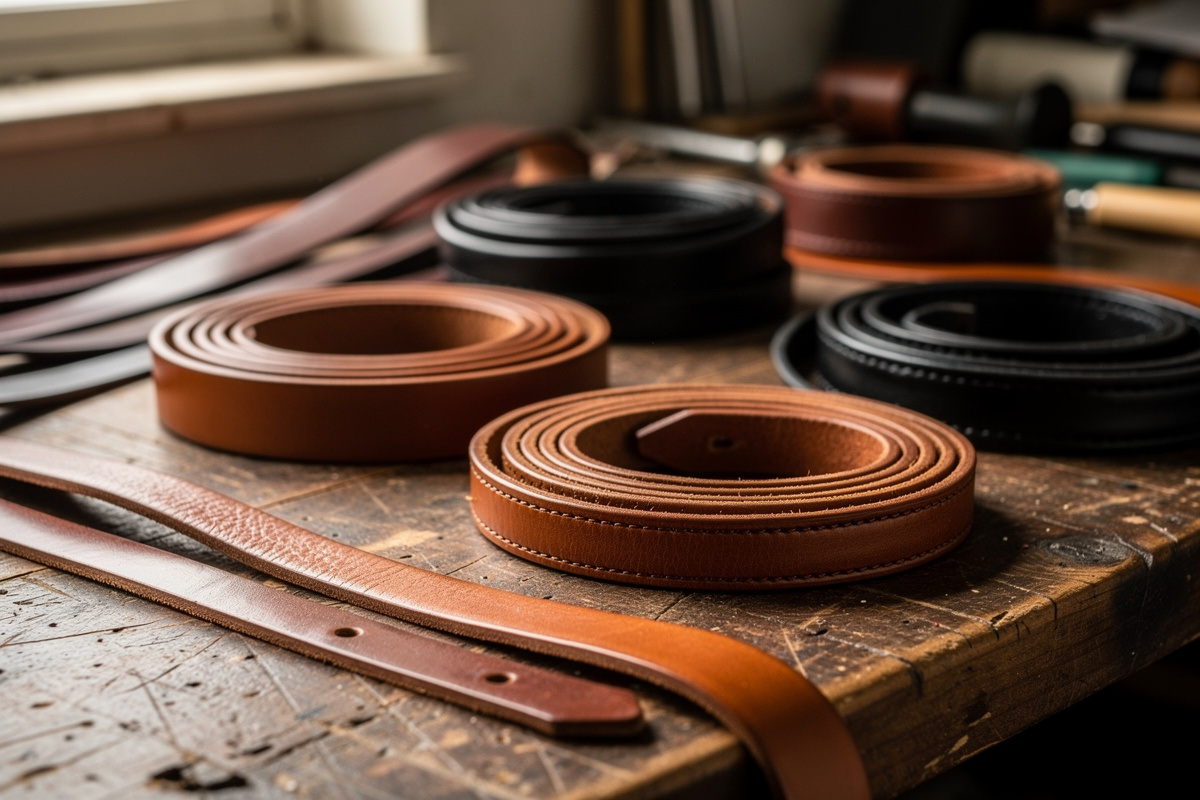
Latigo and Harness Leather: The Stuffed Strap Leathers Explained
Latigo and harness leather are the tough, stuffed, weather-ready leathers built for things that get pulled, worn and rained on — straps, dog leads, gun belts, tack, and…
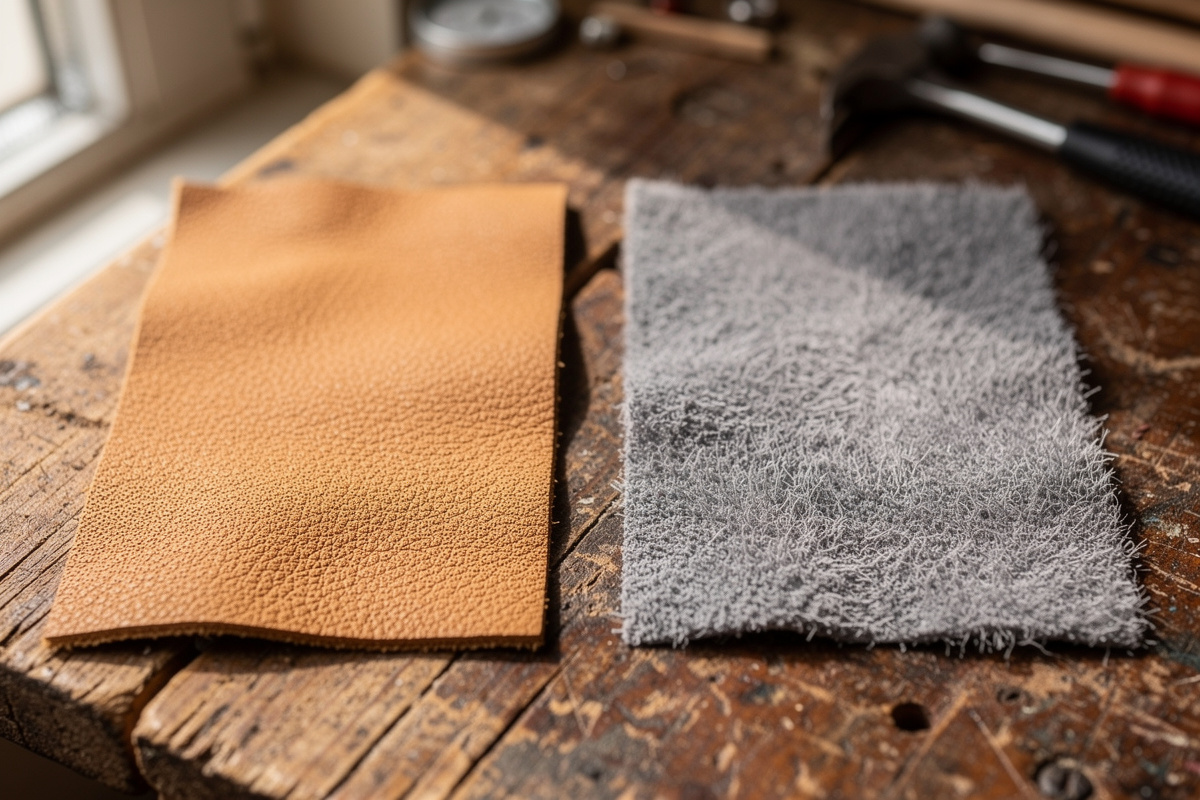
Suede vs Nubuck: The Difference Every Leatherworker Should Know
Suede and nubuck look like cousins and behave like very different animals — the difference is which side of the hide you are looking at. Nubuck is the…
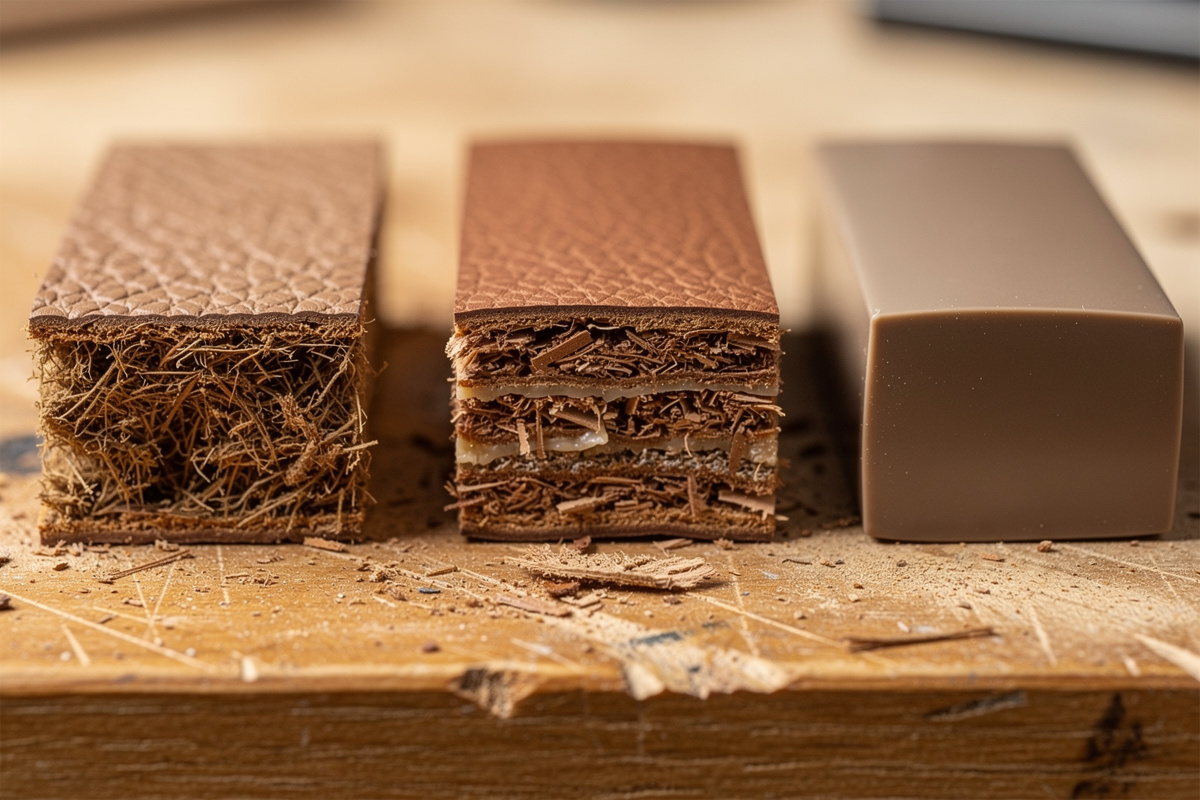
Real Leather vs Bonded vs PU: How to Test What You Actually Have
Most “is this real leather?” confusion comes from one trick: the labels are written to mislead you. “Genuine leather,” “bonded leather” and “PU leather” sound like they are…
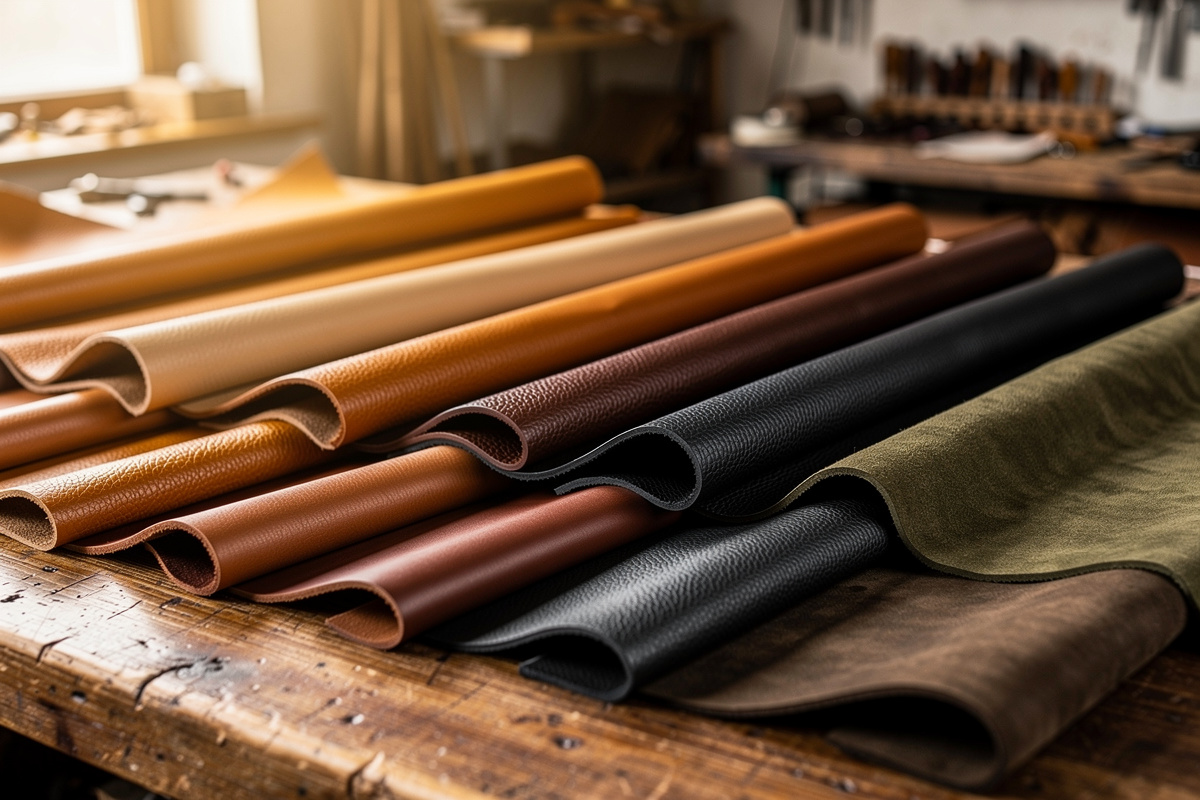
Leather Tannery Regions: What Country of Tannage Really Tells You
“Where was it tanned” is a real signal about leather, but it is a looser one than the marketing makes it sound. A region’s reputation comes from its…
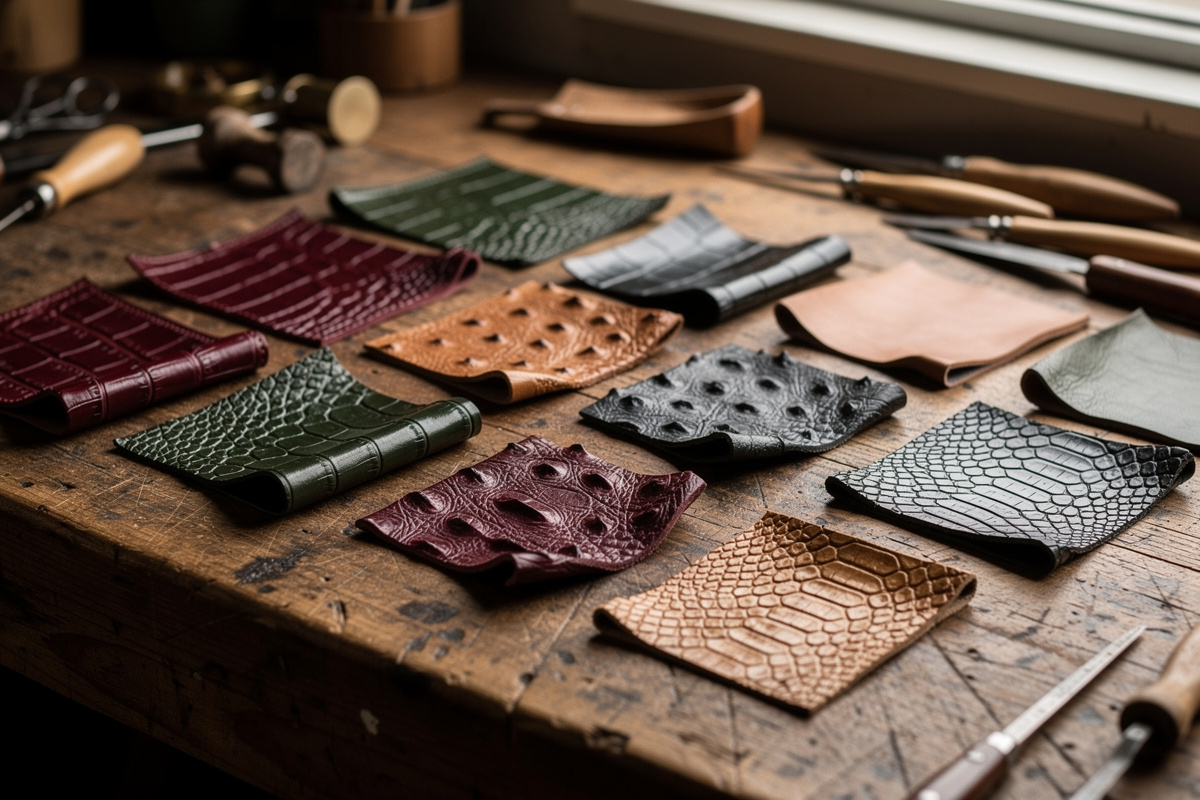
Crafting With Exotic Leather: Types, Technique and the CITES Reality
Exotic leathers are a different discipline from cattle hide, and the honest version of this guide tells you where my hands-on experience holds and where I am relaying…
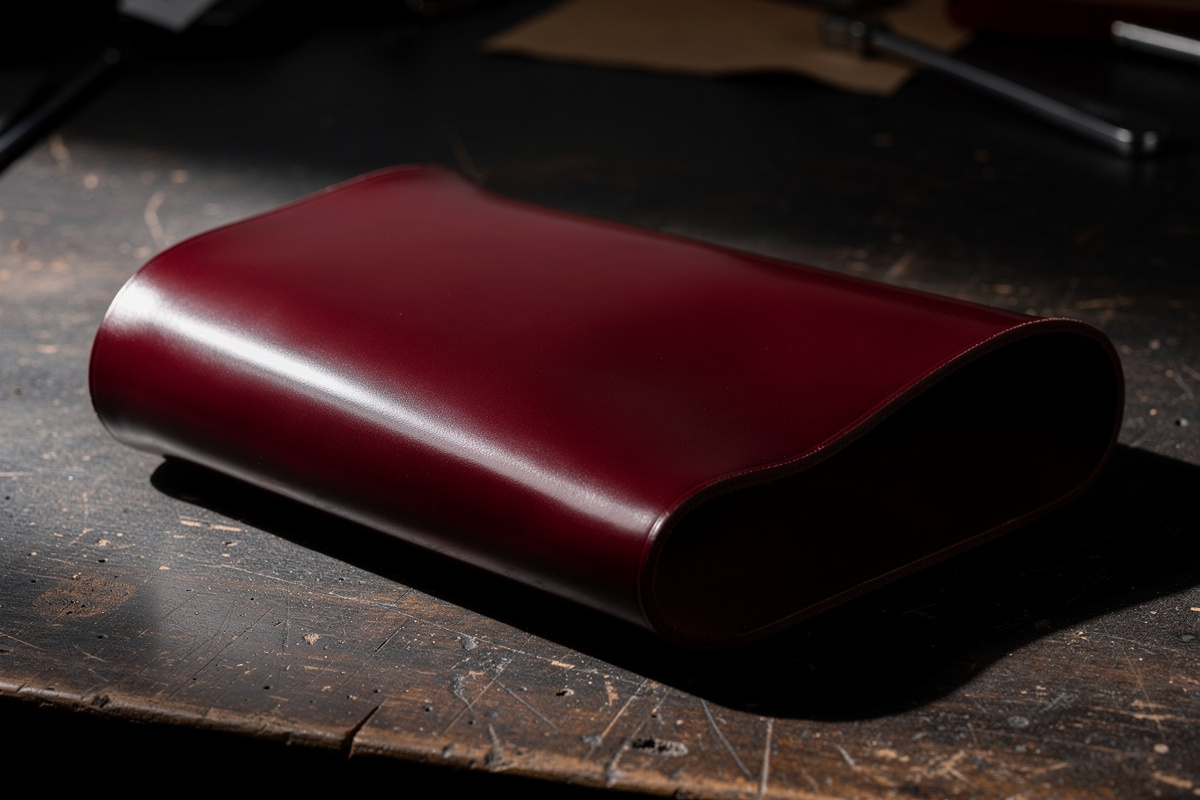
Shell Cordovan Leather: What It Is and Why It Costs So Much
Shell cordovan is not a grain leather at all — it is a dense membrane from the horse’s hindquarters, and that single fact explains everything people love and…
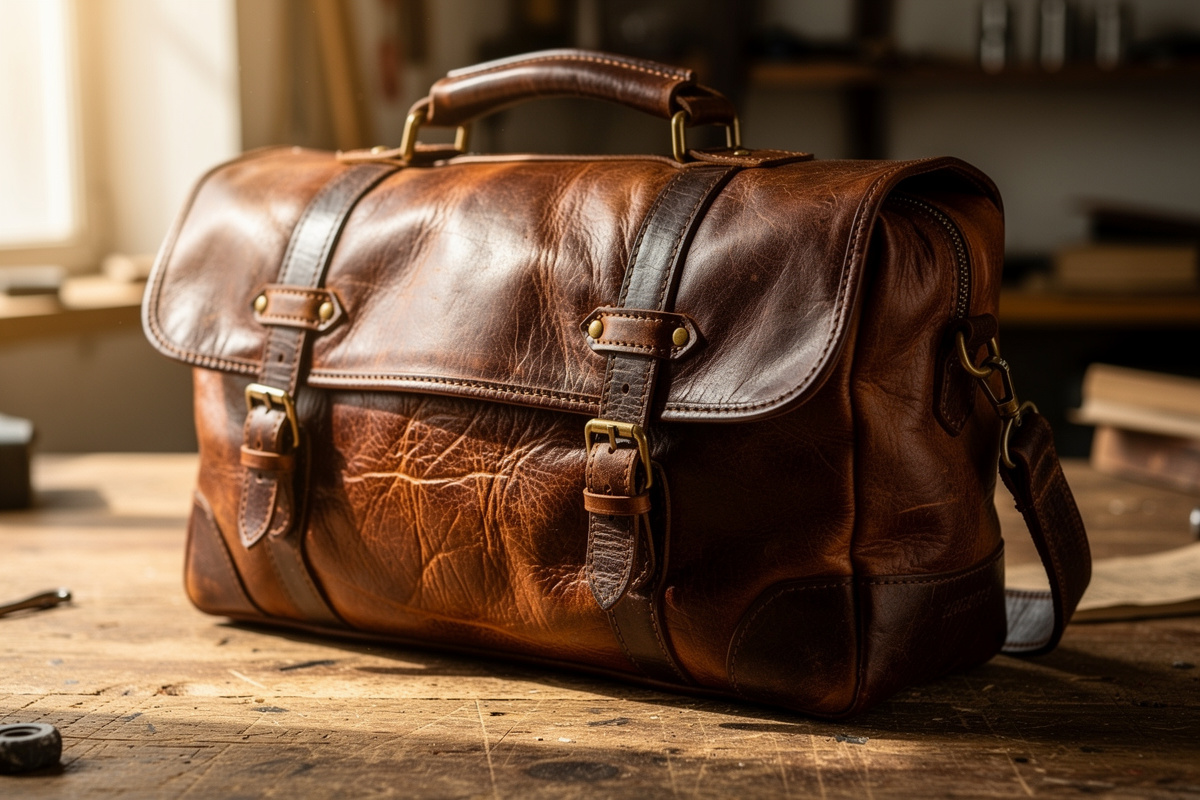
Pull-Up Leather Patina: How It Ages and How to Care for It
Pull-up leather is the one that lightens where you bend it. Press your thumb into a good pull-up hide and a pale halo blooms under the pressure, then…
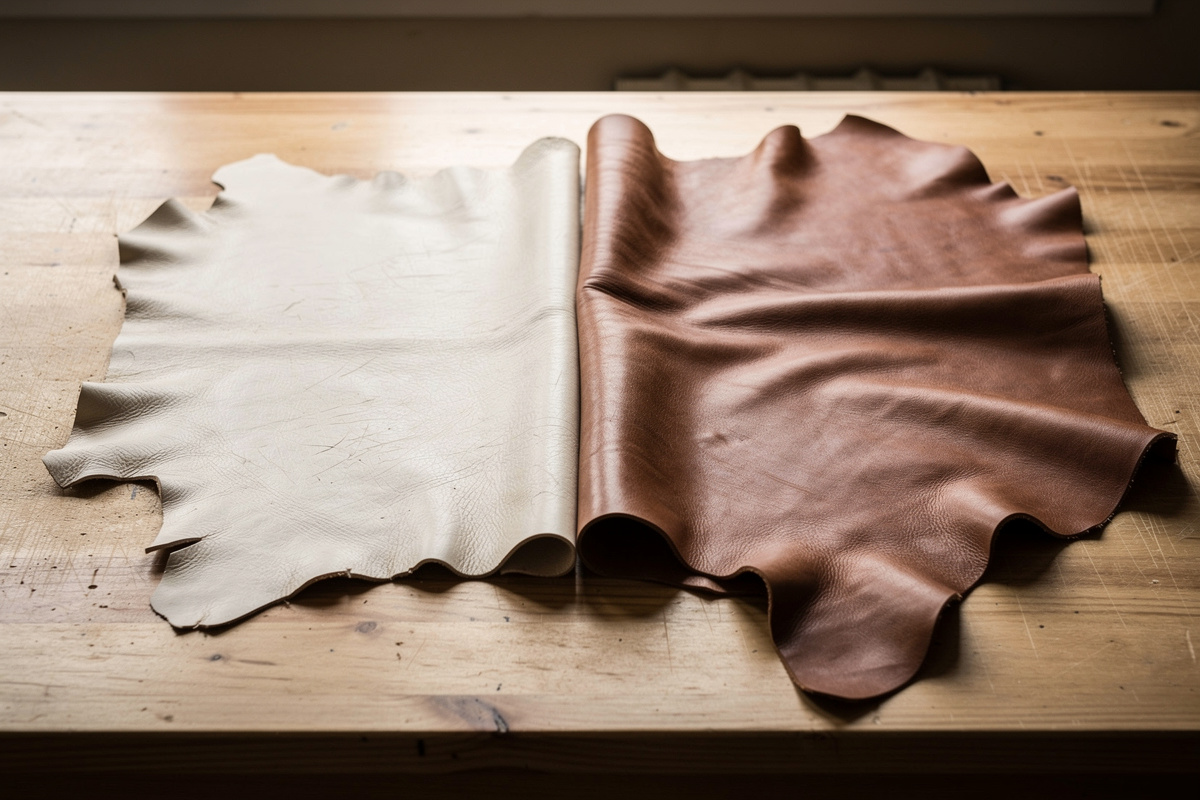
Chrome Tan vs Veg Tan Leather: Which to Use and Why
Chrome tan and veg tan are not two grades of the same thing — they are two different chemistries that produce leathers built for opposite jobs. Veg-tan is…
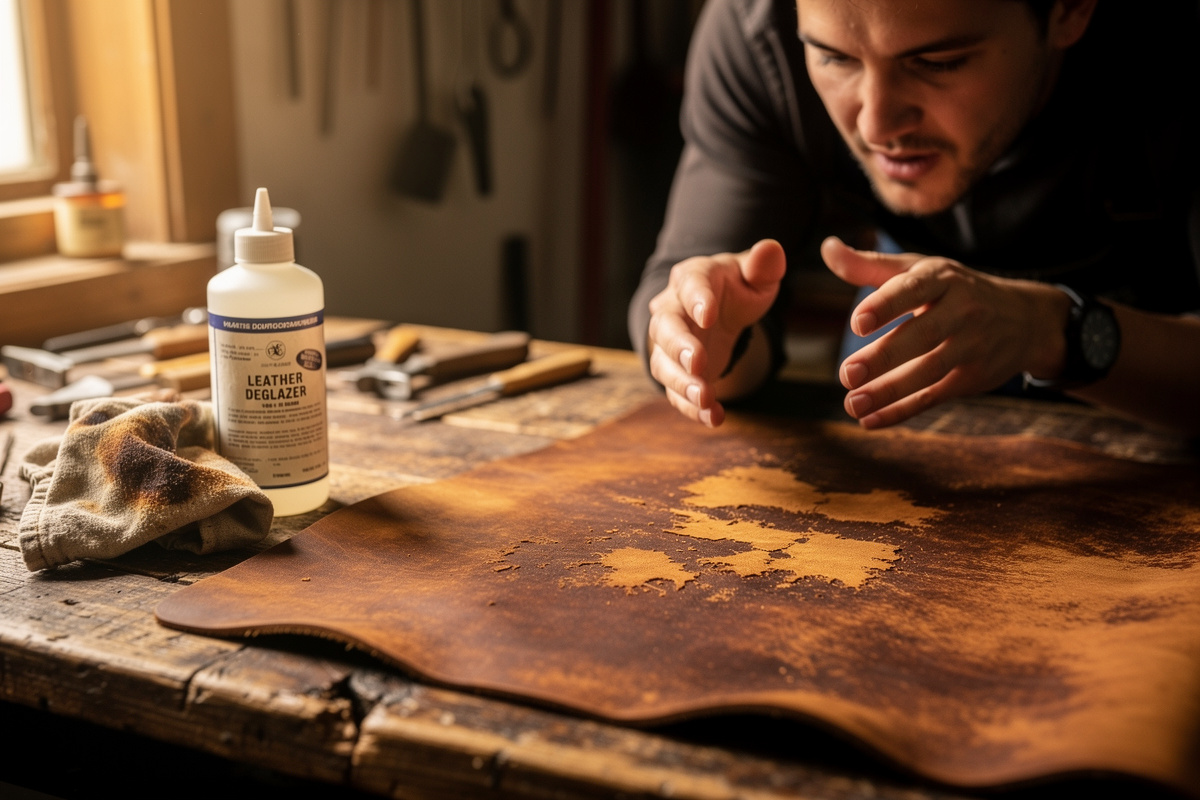
How to Fix Leather Dye Mistakes: Salvage a Bad Job
To fix a leather dye mistake, remember the one rule that governs every repair: you can almost always go darker, rarely lighter. Blotchy or streaky dye is fixed…
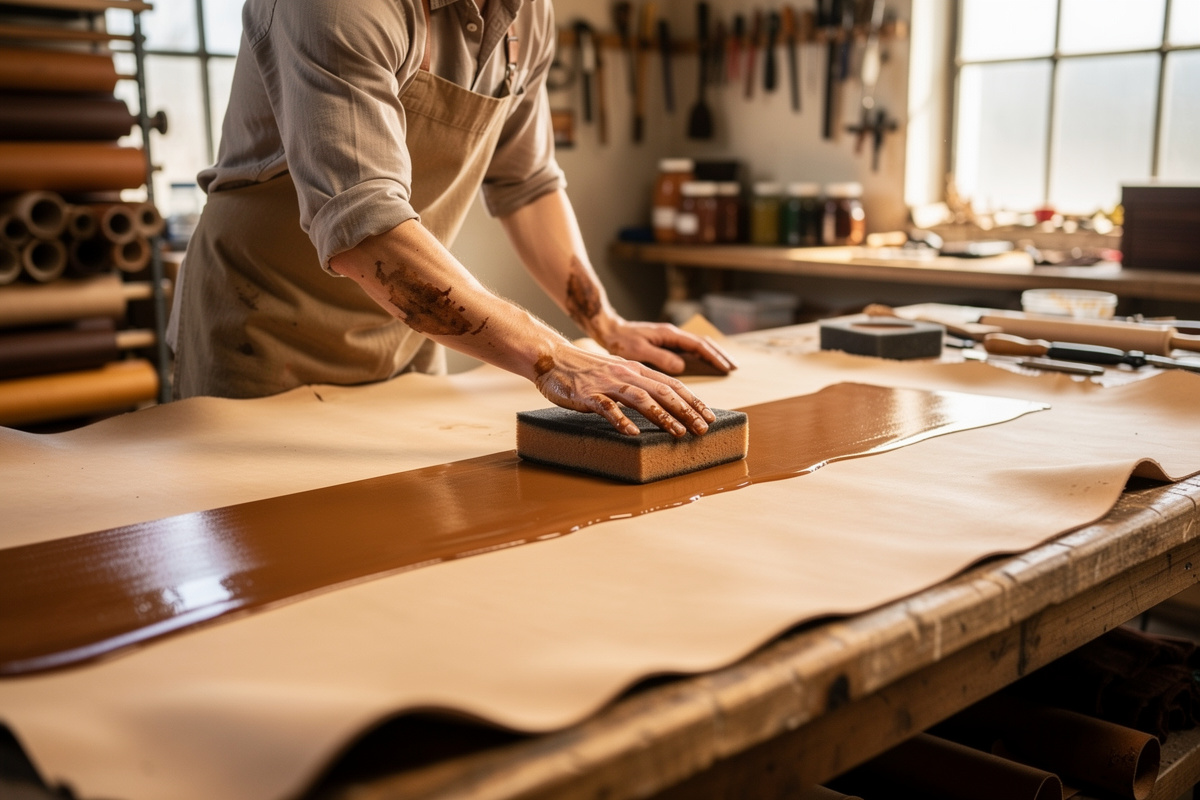
How to Dye a Large Leather Project Evenly
To dye a large leather project evenly, thin the dye so it dries slower and self-levels, work fast along the longest dimension keeping a constant wet edge, and…
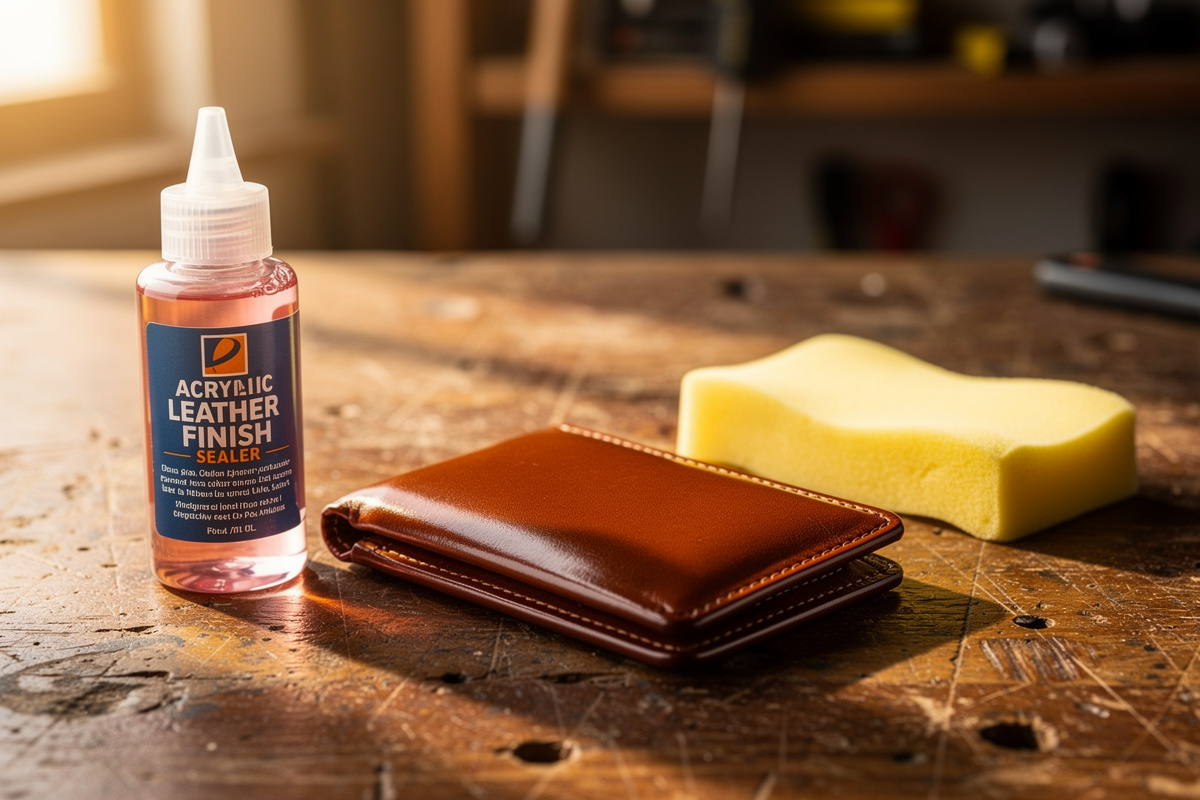
Resolene Leather Finish: How to Seal Dye Without Streaks
Resolene is an acrylic resin topcoat that seals leather dye, stops color rub-off, and adds real water resistance with a light satin sheen. The trick is to thin…
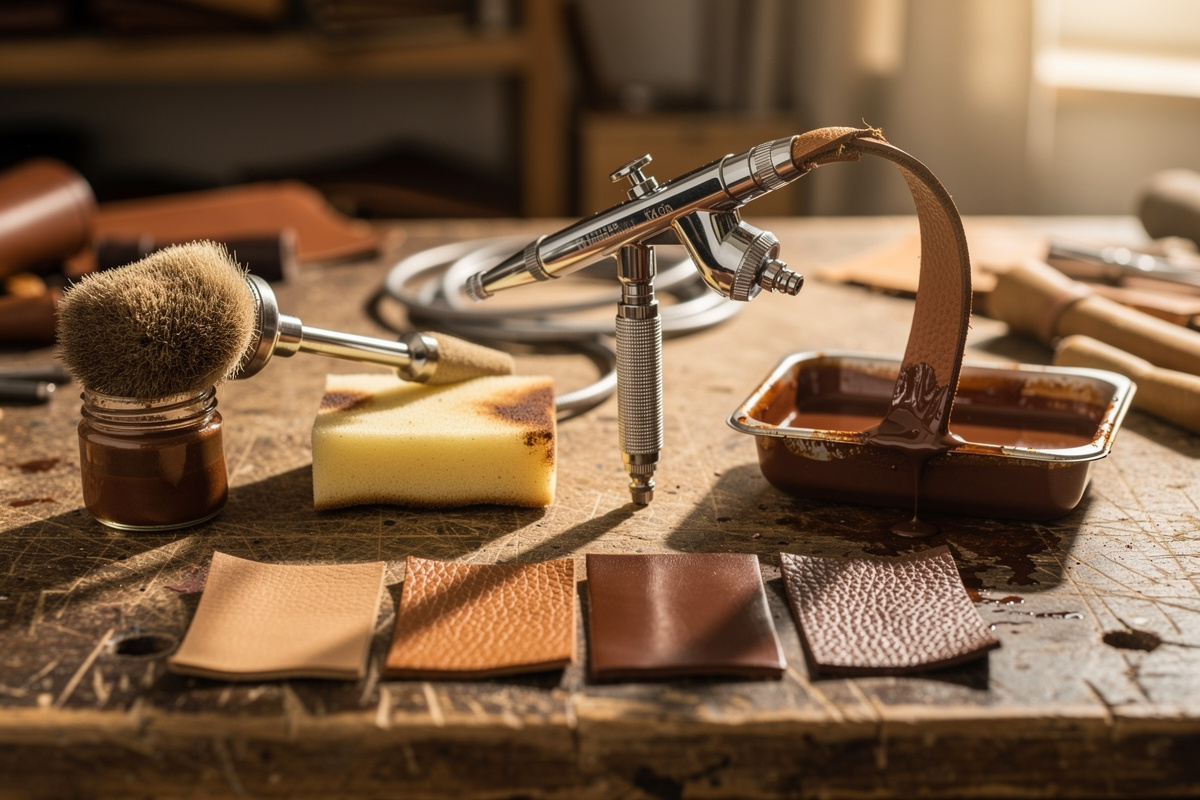
Leather Dye Application Methods: Dip vs Sponge vs Airbrush
The four ways to apply leather dye are the dauber, the sponge, dip-dyeing, and the airbrush. Dip-dyeing gives the most even, saturated single color but burns through dye…