The best leather weight for a dog collar is 8–10 oz (3.2–4.0 mm) bridle leather for most dogs. That weight carries a buckle and welded ring without folding,…
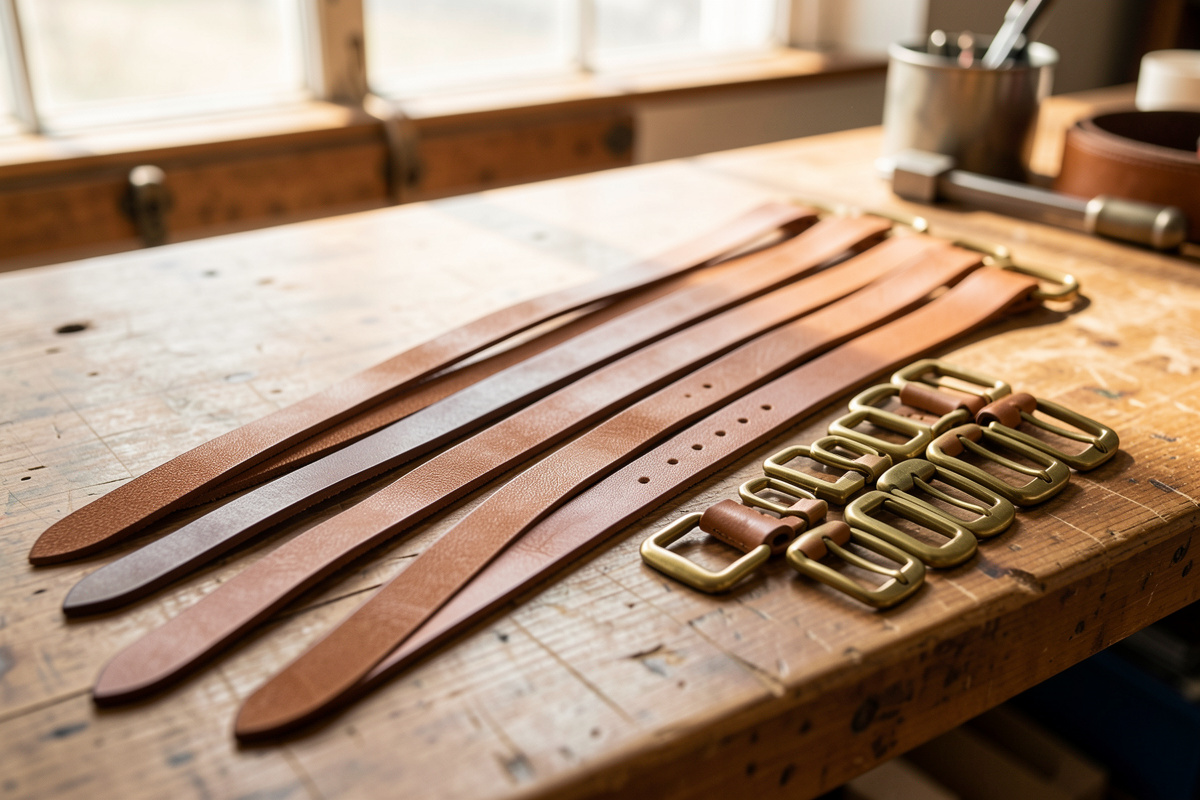
The best leather weight for a dog collar is 8–10 oz (3.2–4.0 mm) bridle leather for most dogs. That weight carries a buckle and welded ring without folding, takes a set rivet with material to spare, and still wraps a medium neck comfortably. I have built collars from 5 oz up to 12 oz, and 8–10 oz is the band I return to nearly every time.
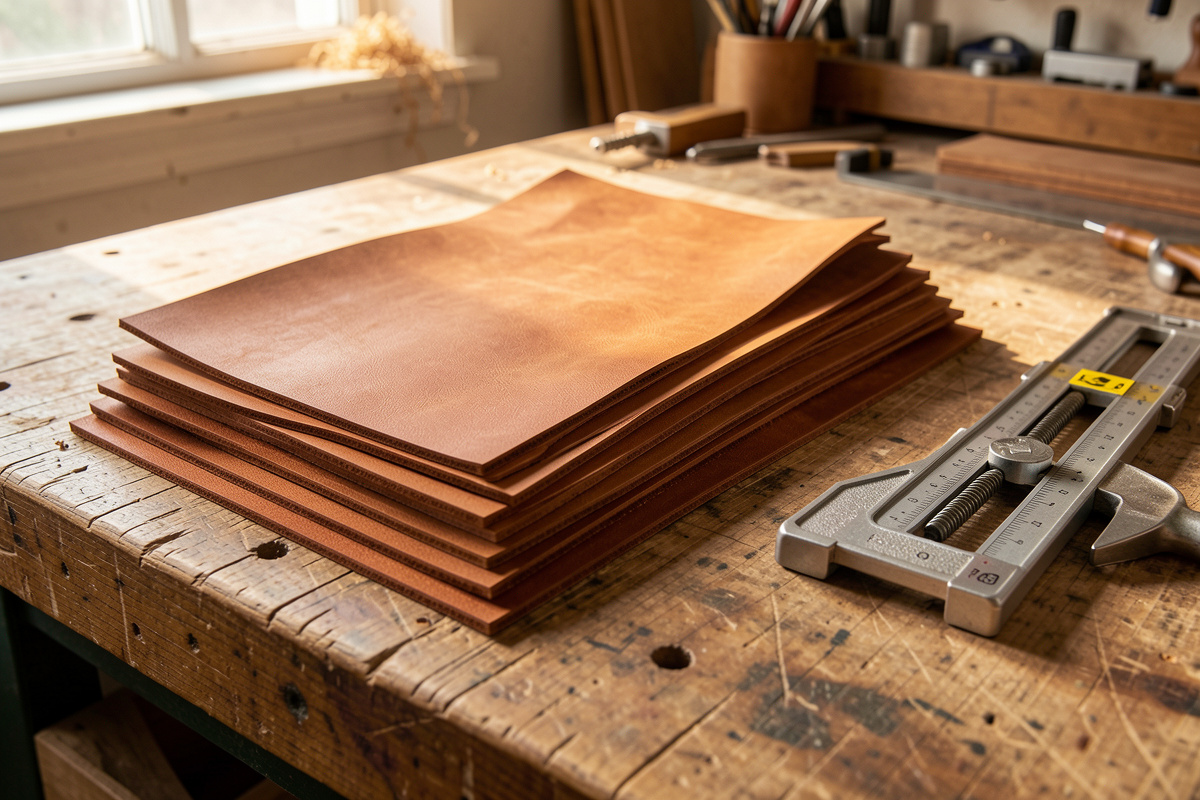
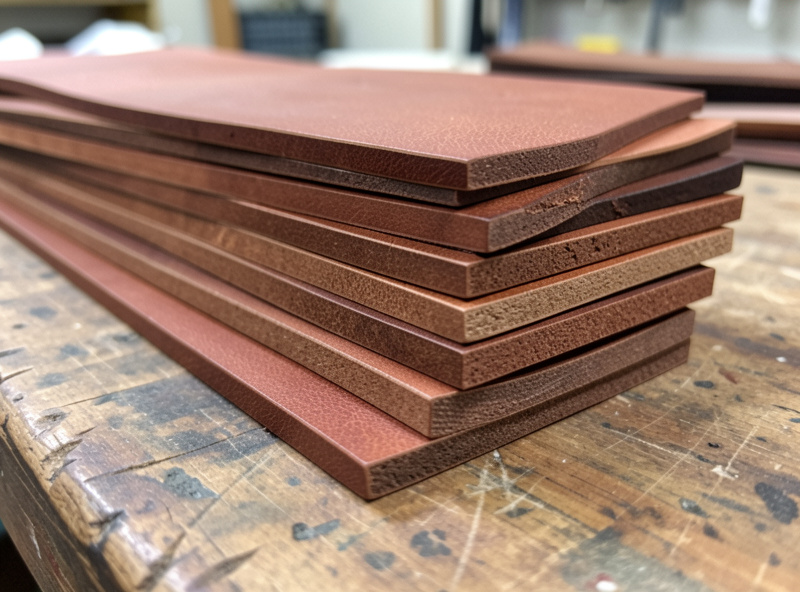
Weight in leather is measured in ounces, where one ounce equals roughly 1/64 inch of thickness — so an 8 oz strap is about 1/8 inch, or 3.2 mm, thick. Picking the right number is not guesswork once you understand what the collar has to survive: a hard lunge, a wet shake-off, hardware torque, and years of neck oil. Here is how I match weight to the dog on my bench, and why bridle in particular is the leather I reach for.
Why 8–10 oz Is the Sweet Spot
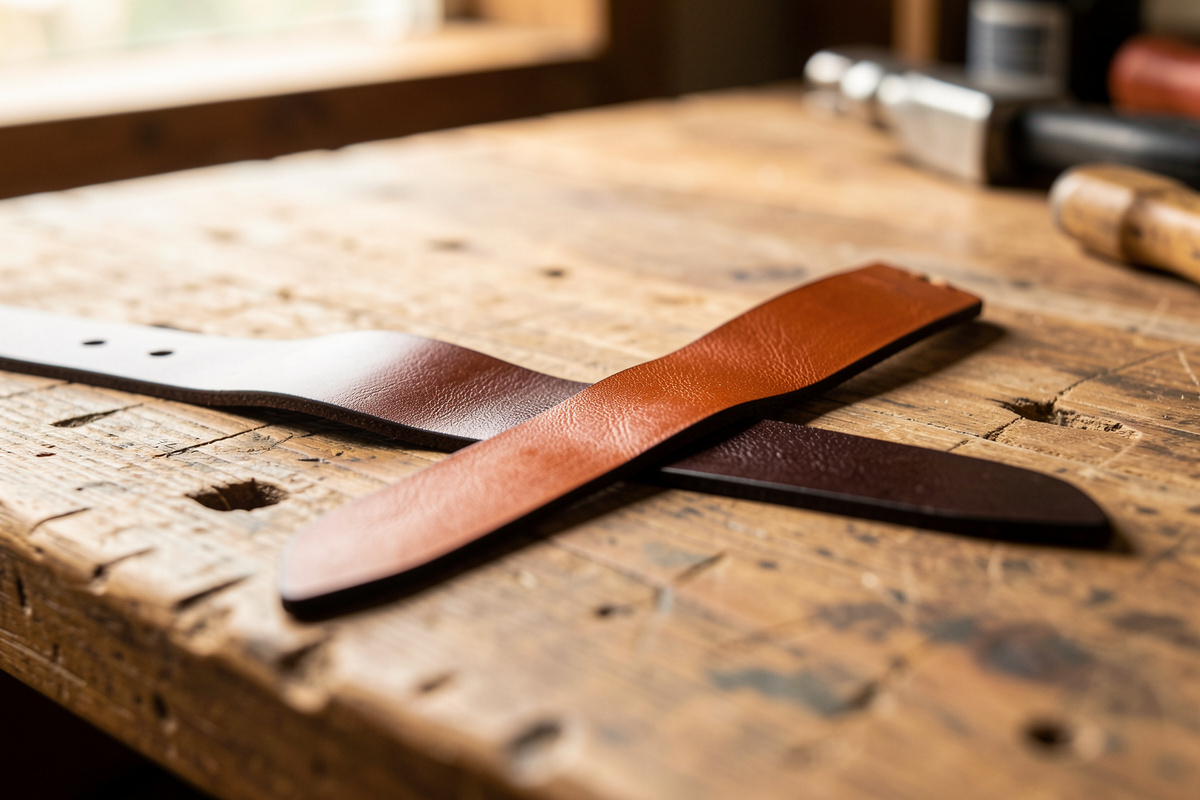
At 8–10 oz a collar strap has enough body to hold its shape and spread pull across the neck, but stays flexible enough to conform comfortably. A strap in this band carries hardware loads well past 200 lb before the leather itself is the weak link — the buckle or ring gives first. Go thinner and the strap flexes at the buckle fold and the rivet can pull through; go thicker and a small or medium dog wears a board, not a collar.
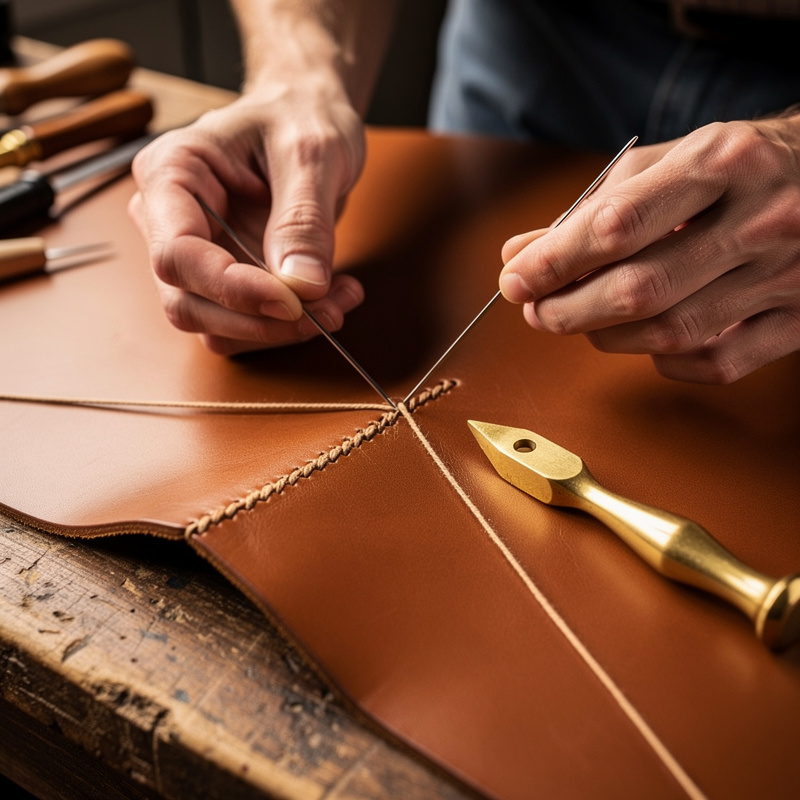
The buckle fold is the real test. When you fold the strap back around a center-bar buckle and rivet or stitch it, you are stacking two layers and asking a rivet to bite. At 8–10 oz that doubled section is stout without being a brick. The full build sequence is in the collar making guide, and if ounce-to-millimeter conversions still confuse you, keep the thickness chart open while you shop.
Match the Weight to the Dog
Weight should scale with the dog, not stay fixed. A toy breed under 20 lb is happiest in a 6–7 oz strap at 5/8 inch wide; a 60 lb working dog wants 9–10 oz at 1 inch; a giant breed or a serious puller earns 10–12 oz at 1.25 inches. The goal is a collar proportional to the neck that carries the dog’s pull without the leather being the failure point.
Width and weight travel together. A wider strap needs a touch more weight to stay flat and not curl, and a wider, heavier strap also spreads force over more neck, which is gentler on a dog that pulls. Do not run a 1.25-inch strap in 6 oz — it will roll and crease. Sizing the collar to fit is its own step, covered in the sizing guide.
| Dog Weight | Strap Weight | Thickness | Strap Width | Use Notes |
|---|---|---|---|---|
| Under 20 lb | 6–7 oz | 2.4–2.8 mm | 5/8–3/4 in | Light, flexible, daily wear |
| 20–50 lb | 8–9 oz | 3.2–3.6 mm | 3/4–1 in | The all-round default |
| 50–90 lb | 9–10 oz | 3.6–4.0 mm | 1–1.25 in | Strong dogs, leash work |
| 90 lb+ / pullers | 10–12 oz | 4.0–4.8 mm | 1.25–1.5 in | Max strength, welded ring |
Why Bridle, Not Plain Veg-Tan or Chrome-Tan
Weight is only half the answer; tannage is the other half. Bridle leather is veg-tanned and then hot-stuffed with fats and waxes, which is exactly what a collar needs — it sheds water, resists the constant neck oil, and flexes without cracking. Plain veg-tan tooling leather is the same weight but bone-dry until you finish it, so it must be dyed and sealed thoroughly or it stiffens and darkens every time the dog gets wet.
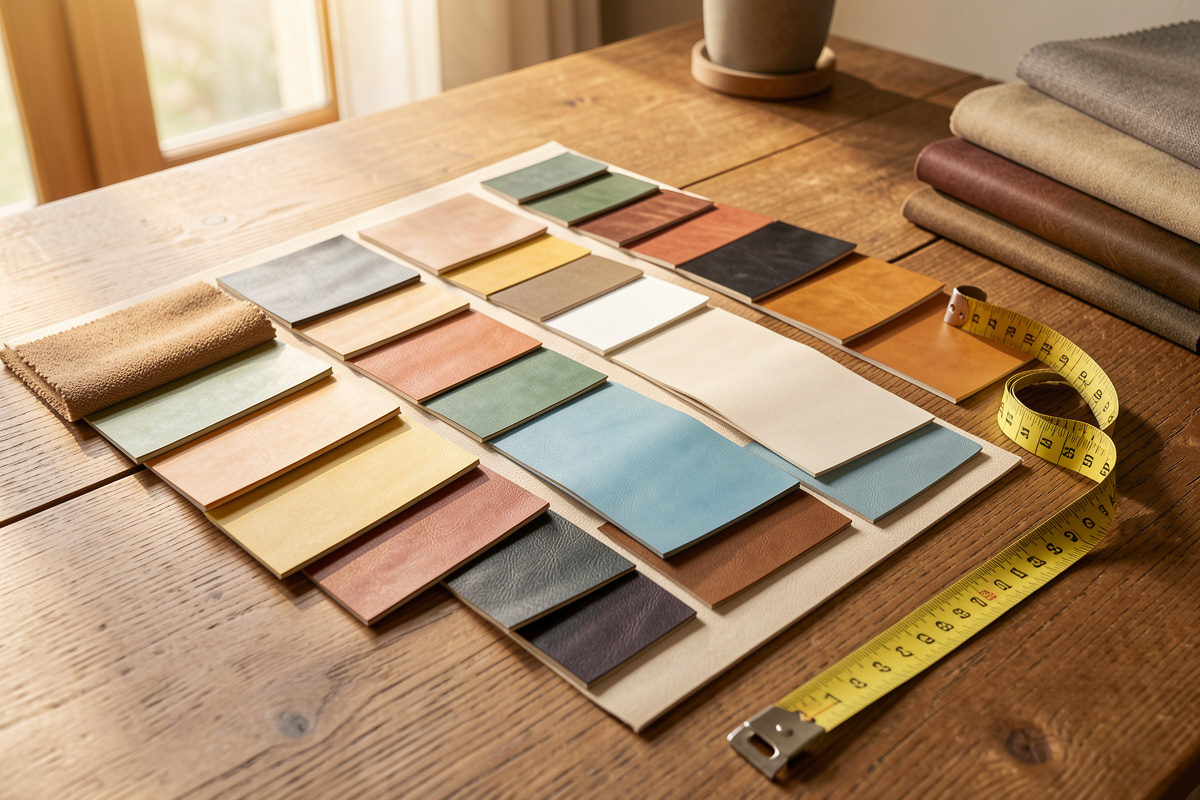
Chrome-tan in the same weight is too soft and limp for a working strap — it is the right leather for lining a wide martingale, wrong for the collar body. I keep both on the shelf and never confuse the jobs. The deeper tannage trade-off is in chrome tan vs veg tan, the stuffed strap leathers are explained in latigo and harness leather, and the wet-life face-off is the bridle vs latigo guide.
When to Line or Double a Collar
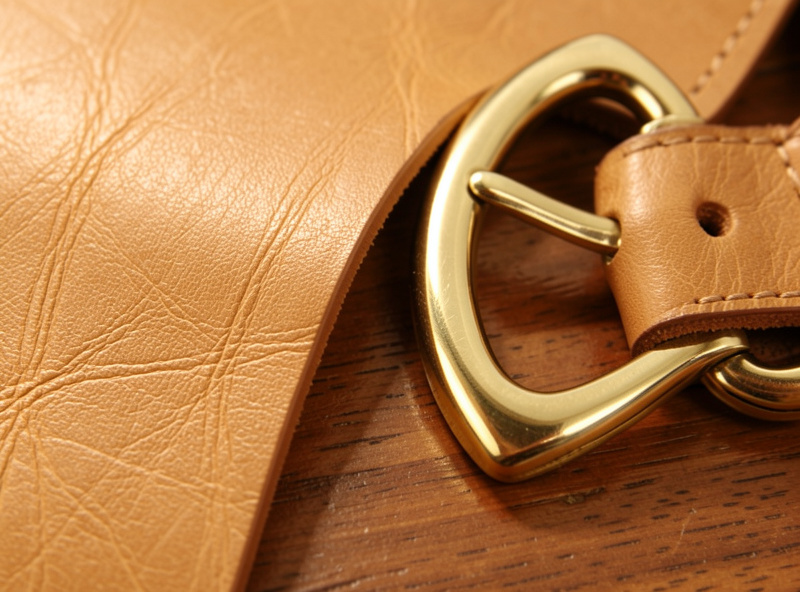
For most dogs a single 8–10 oz strap needs no lining. But a wide collar (1.5 inch or more) or a sighthound’s wide martingale benefits from a lining: a 3–4 oz chrome-tan or soft veg-tan glued and stitched to the back gives a smooth face against the neck and hides the flesh side. Lining also lets you run a slightly lighter primary strap because the two bonded layers stiffen each other.
If you line, glue with contact cement, stitch the perimeter, and finish the edge as one unit — the bevel-sand-slick sequence treats the laminated edge like solid leather. Picking the right adhesive matters here; the leather glue guide covers contact cement versus the alternatives, and the broader types of leather guide helps you choose a lining tannage.
Buying the Right Weight
Leather is sold by weight range, not a single number — a side labeled “8/9 oz” varies across the hide, thicker at the spine and thinner toward the belly. For collars, buy from the back and bend (the firm central area), not the belly, which is loose and stretchy. A reputable bridle side from a known tannery gives you consistent weight across a usable area.
If you are buying your first side, the starter kit guide and startup cost breakdown set realistic expectations on what a usable amount of strap leather costs.
Does Heavier Always Mean Stronger?
No — past a point, more weight buys stiffness, not strength, and the failure point moves to the hardware regardless. A 10 oz strap and a 12 oz strap will both outlast the buckle and ring on them; the heavier one just feels like more board around the neck. The strength of a finished collar is set by three things in order: the ring (welded, not split), the buckle (cast, not hollow), and the rivet or stitch at the fold. The strap weight only has to be enough that the rivet does not tear out.
That is why I size weight to comfort and proportion once it clears the 8 oz floor for a medium dog, rather than chasing the heaviest leather I can find. A correctly built 9 oz collar on good hardware is stronger in real use than a 12 oz collar on a stamped buckle. Put the upgrade money into the hardware, not extra ounces.
As an Amazon Associate I earn from qualifying purchases. I restock collar straps as pre-cut 8-10 oz bridle strips when I do not want to cut from a full side.
Frequently Asked Questions
What weight leather is best for a dog collar?
8 to 10 oz (3.2 to 4.0 mm) bridle leather is best for most dogs. It carries hardware without folding, takes a rivet securely, and still wraps a medium neck comfortably. Scale up to 10 to 12 oz for giant breeds and strong pullers.
How thick is 8 oz leather in millimeters?
8 oz leather is about 3.2 mm, or roughly 1/8 inch thick. Each ounce of leather weight equals about 1/64 inch, so 8 oz is 8/64 inch. A 9 to 10 oz strap runs about 3.6 to 4.0 mm.
Is bridle leather better than veg-tan for a collar?
Bridle is veg-tan that has been stuffed with fats and waxes, so it resists water and neck oil out of the box. Plain veg-tan is the same base but dry, so it must be dyed and sealed well or it stiffens and darkens when wet.
Can I use thinner leather for a small dog collar?
Yes. A toy or small dog under 20 lb is comfortable in a 6 to 7 oz strap at 5/8 to 3/4 inch wide. Going thinner than 6 oz risks the rivet pulling through at the buckle fold under a hard pull.
Should a dog collar be lined?
Most single 8 to 10 oz collars need no lining. Wide collars over 1.5 inch or sighthound martingales benefit from a 3 to 4 oz soft lining glued and stitched on, giving a smooth face against the neck and added stiffness.
Related Guides
- Leather Dog Collar Making: The Complete Guide
- Bridle vs Latigo for Dog Collars and Leashes
- Sizing a Dog Collar Correctly
- Leather Thickness Chart: Ounces to MM
- Chrome Tan vs Veg Tan Leather