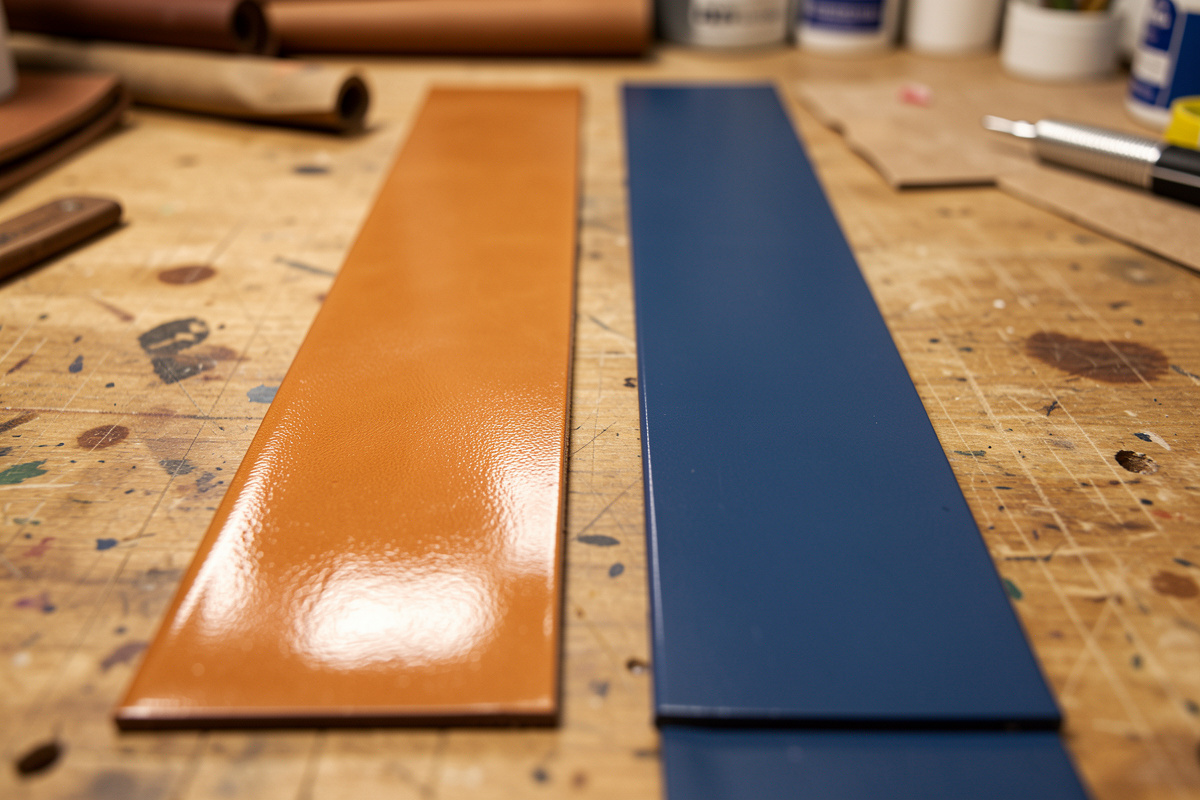
Burnishing slicks a veg-tan edge into a hard, glassy edge using friction and a compound like Tokonole, while edge paint coats any edge — including chrome-tan — in…
Burnishing slicks a veg-tan edge into a hard, glassy edge using friction and a compound like Tokonole, while edge paint coats any edge — including chrome-tan — in a flexible layer of pigment that hides the layers underneath. Burnishing shows the leather; paint covers it. On my bench the choice comes down to one question: is the edge veg-tan, and do I want it to look like polished leather or a clean painted line?
This is the decision that splits leather edge finishing into two whole schools, and beginners agonize over it. I have done both on hundreds of edges, so here is the honest comparison — what each one actually is, where each wins, and how to choose without overthinking it.
Burnishing: Friction-Slicked Leather
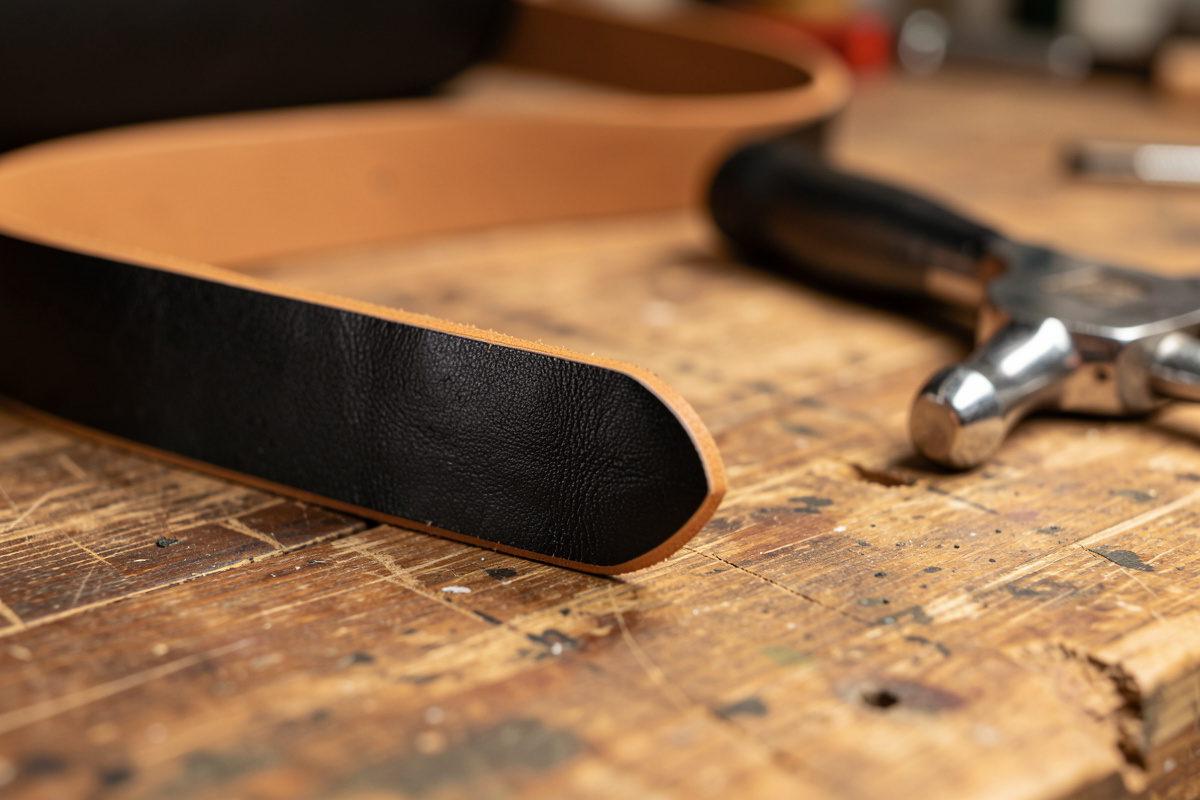
Burnishing compresses and polishes the fibers of a veg-tan edge with friction, a little water or gum, and heat from rubbing, until the edge turns hard and shiny. There is no coating — you are seeing the leather itself, densified into a turned-looking edge. It only works on veg-tan, because veg-tan’s tannins and fiber structure let it compress and gloss; chrome-tan just smears.
The sequence is bevel, sand through grits, then slick with a wood or printed slicker loaded with Tokonole or gum tragacanth. The friction is the whole technique — fast strokes build the heat that sets the gloss. A properly burnished edge is the signature of hand-made veg-tan goods, and it is what I default to on every wallet, belt and sheath I cut from veg-tan. I go deep on the compound choices in my Tokonole vs gum tragacanth comparison.
Edge Paint: A Flexible Pigment Coat
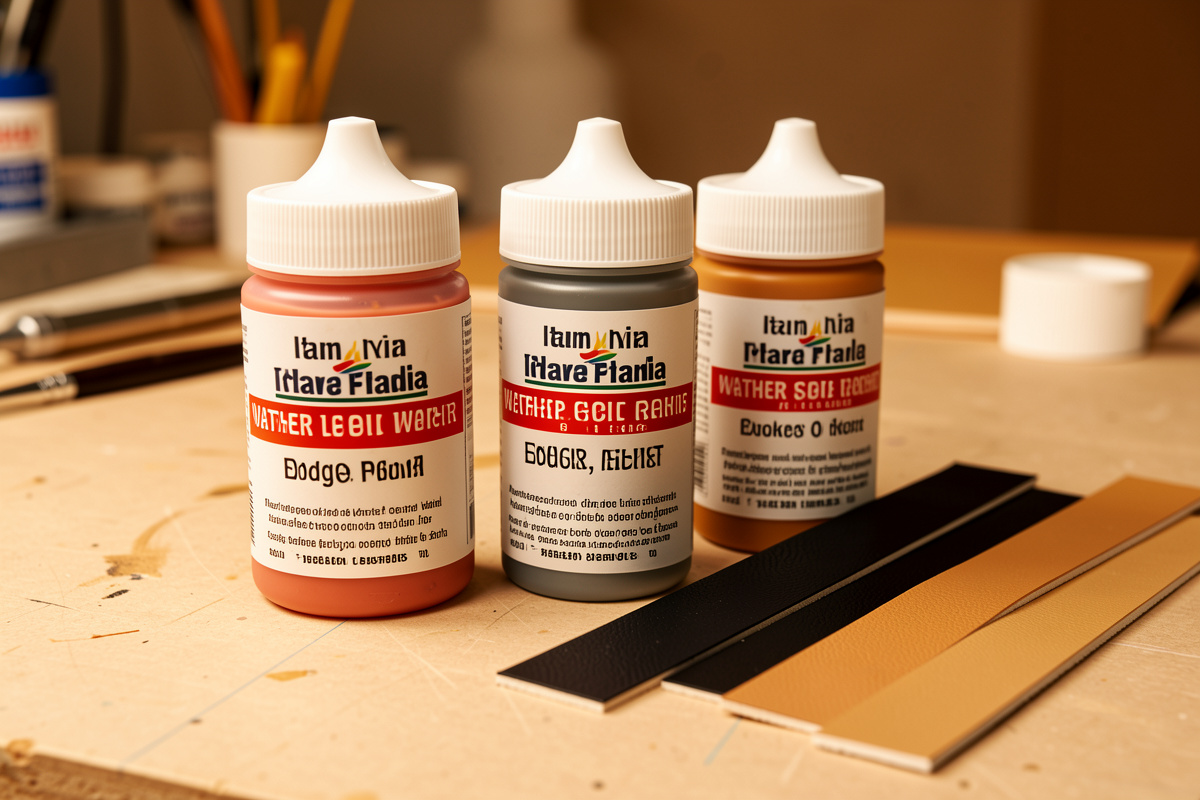
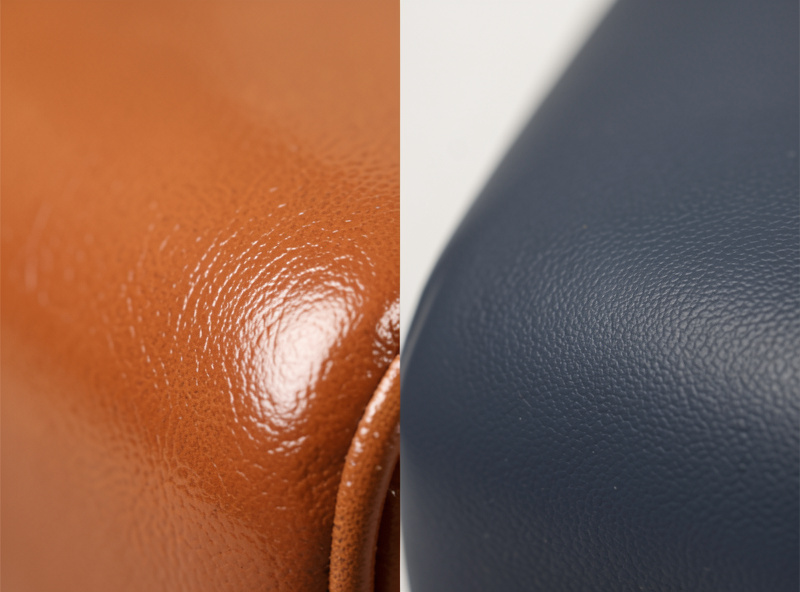
Edge paint is a flexible acrylic or polyurethane pigment applied in thin coats to seal and color an edge, building a smooth painted bead that covers the raw layers entirely. Unlike burnishing, it works on any leather — chrome-tan, layered bag bodies, glued stacks — because it does not rely on the leather’s own fibers. It is the standard on European designer goods for exactly that reason.
You apply edge paint with a fine applicator or roller in two to four thin coats, sanding lightly between, and often heat-set each coat. The result is a crisp colored line, frequently in a contrasting color, that hides messy layers and survives flexing without cracking the way a burnished edge can on soft leather. The trade-off is that it sits on top of the leather, so a chip reveals the raw edge underneath — a burnished edge can never chip because there is nothing to chip off.
Burnish vs Edge Paint: Side by Side
The fastest way to choose is to line up what each does against what your project actually needs. Here is how they compare on the points that decide real edges:
| Factor | Burnishing | Edge Paint |
|---|---|---|
| Works on | Veg-tan only | Any leather (veg, chrome, layered) |
| Look | Polished natural leather | Crisp colored painted line |
| Color options | Edge dye + natural tone | Any color, incl. contrasting |
| Durability | Cannot chip; can scuff over years | Crisp but can chip if knocked |
| On flexible/soft leather | Cracks or won’t slick | Stays flexible, ideal |
| Time per edge | Slower, friction + heat | Faster once coats are dialed |
| Hides messy layers | No — shows the edge | Yes — covers entirely |
How to Choose for Your Project
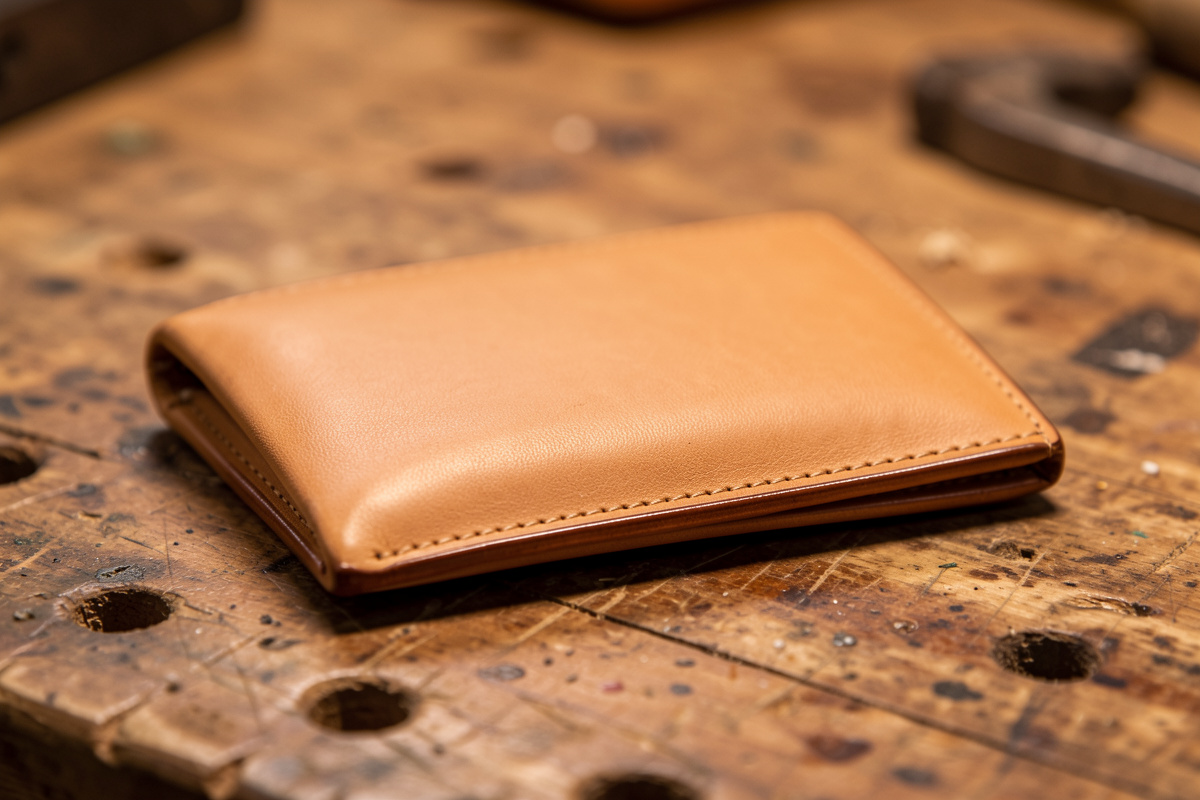
Choose burnishing for veg-tan goods where you want the leather to show, and edge paint for chrome-tan, soft, or layered edges where burnishing physically cannot work. That single rule covers most decisions. A veg-tan wallet, belt or sheath gets burnished; a chrome-tan bag body or a glued multi-layer edge gets painted.
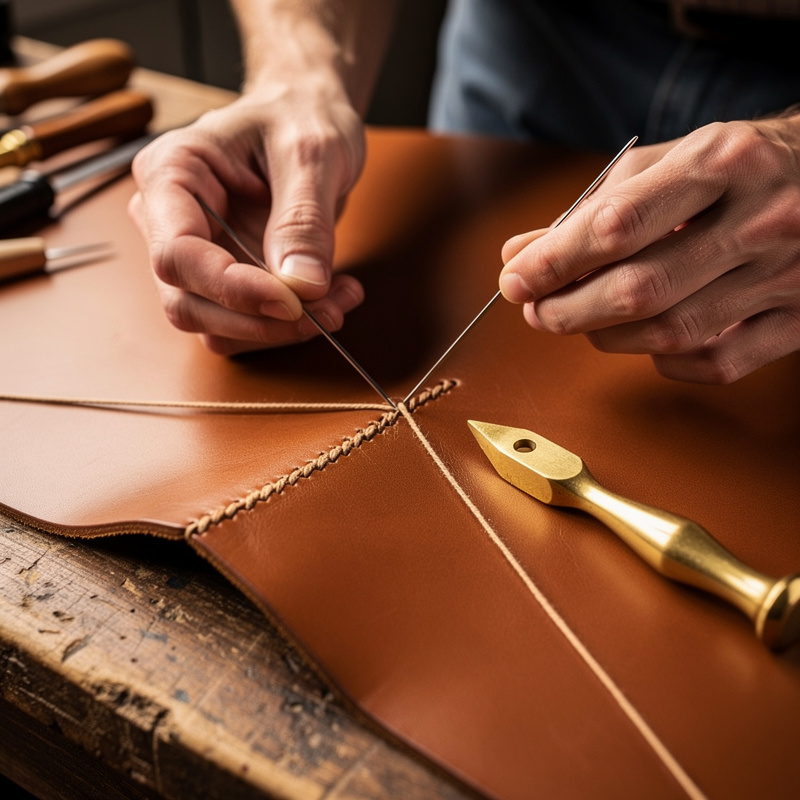
There is a middle ground I use too: veg-tan edges that I want in a sharp contrasting color sometimes get edge paint even though they would burnish, purely for the look. And the prep is shared — both start with a clean beveled edge and sanding, because neither paint nor slick saves a ragged cut. The finish differs; the foundation is identical, which is why I treat beveling and sanding as non-negotiable regardless of which I finish with.
How Each Finish Ages Over Years of Use
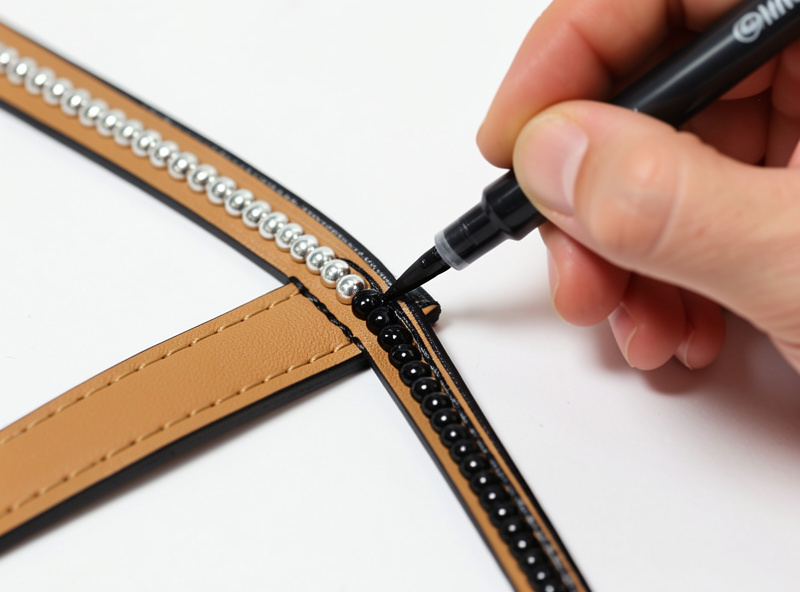
A burnished veg-tan edge ages by softening and darkening with handling, while an edge-painted line stays crisp until it chips, then shows a hard break. They fail in opposite ways, and that difference matters more than the day-one look on a piece that gets used daily.
A burnished edge has no separate layer to fail. Over years in a pocket it scuffs and the gloss dulls, but it never peels — and a dulled burnished edge re-slicks in seconds with a fresh pass of Tokonole and a slicker. That repairability is why I burnish anything I expect to carry for a decade. The edge becomes part of the leather’s patina rather than a coating fighting against it.
Edge paint stays pristine longer up front, holding a sharp colored line through normal use, but when it does fail it fails visibly: a chip exposes the raw layered edge underneath, and the repair means sanding back and recoating rather than a quick buff. On flexible bag straps and chrome-tan goods that is still the right call, because those edges cannot be burnished at all — paint that occasionally needs a touch-up beats an edge that was never going to slick. The honest summary is that burnishing degrades gracefully and edge paint degrades suddenly, so I weight toward burnishing on hard-use veg-tan and accept paint’s failure mode where it is the only option.
The Mistakes That Wreck Both Finishes
The single biggest mistake with either finish is skipping the sanding step — both a burnished edge and a painted edge only look as good as the sanded edge underneath them. A rushed bevel and a coarse, un-sanded edge telegraphs straight through a slick or a coat. I sand every edge through progressively finer grits before I touch compound or paint, and that prep is what separates edges that look bought from edges that look homemade.
The other recurring error is impatience with coats and passes. Beginners try to burnish in one heavy soaking of gum, which just leaves a gummy crust, or they lay edge paint on in one thick coat that cracks as it dries. Both finishes are built in thin, repeated passes — light Tokonole and fast friction for burnishing, two to four thin heat-set coats for paint. Rushing either one shows immediately, and it is the most common reason a first attempt looks worse than a raw edge.
Can You Combine Both?
You generally pick one per edge, not both, because edge paint sits on top and burnishing needs bare fiber — but a lightly burnished veg-tan edge can take edge paint better than a raw one. The slicked surface gives the paint a smoother base, so on the rare veg-tan piece I paint, I burnish lightly first with a leather edge slicker, then coat. What you do not do is try to burnish over dried edge paint; the paint just drags and balls up under the slicker.
For the full picture of where each finish lives in the bench sequence, the edge-finishing hub guide walks the whole chain from bevel to final coat. The short version: decide paint or burnish before you start, because the prep is shared but the finish commits you.
Some links in this article are affiliate links — if you buy through them I may earn a small commission at no extra cost to you.
Frequently Asked Questions
Is edge paint or burnishing better?
Neither is universally better — it depends on the leather. Burnishing gives veg-tan a polished natural edge, while edge paint covers any leather including chrome-tan and layered edges in a flexible colored coat. Match the method to the leather, not the other way around.
Can you burnish chrome-tan leather edges?
Not effectively. Chrome-tan lacks the fiber structure and tannins that let veg-tan compress and gloss under friction, so it smears instead of slicking. Chrome-tan edges are finished with edge paint, which does not rely on the leather burnishing.
Does edge paint chip off?
It can, because edge paint sits on top of the leather as a coat. Applied in thin, heat-set layers it is durable, but a hard knock can chip it and reveal the raw edge. A burnished edge cannot chip because there is no coating to lose.
Do you bevel before burnishing or painting?
Yes, both start with a clean beveled and sanded edge. Neither edge paint nor burnishing rescues a ragged cut — the foundation prep is identical, and only the final finish differs between the two methods.
Can you put edge paint over a burnished edge?
A lightly burnished veg-tan edge actually takes edge paint better than a raw one because the slicked surface gives a smoother base. Do not reverse it though — you cannot burnish over dried edge paint, which drags and balls up under the slicker.
Related Guides
- Leather Edge Finishing: The Bevel-to-Burnish Guide
- How to Bevel Leather Edges
- Tokonole vs Gum Tragacanth vs Water
- How to Burnish Leather Edges With Tokonole