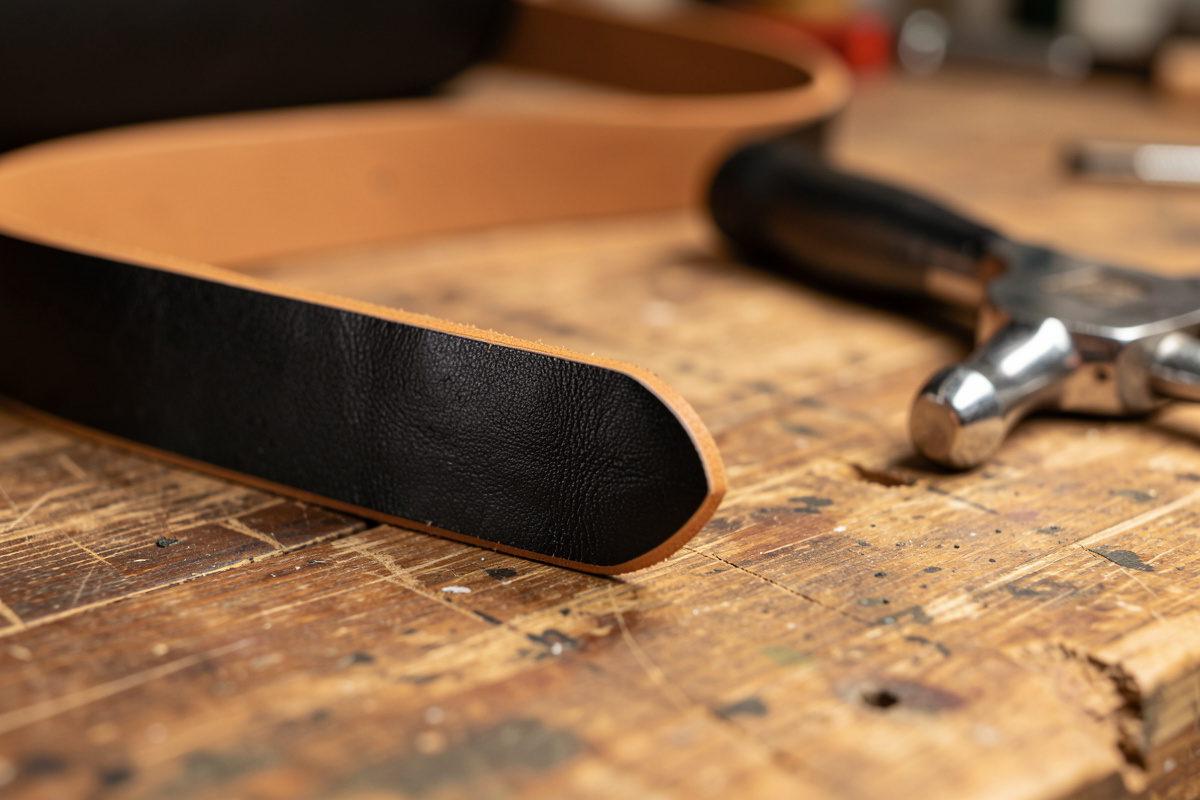
Chrome-tanned leather will not burnish to a hard glassy edge the way veg-tan does, because it lacks the tannins and dense fiber structure that let veg-tan compress and…
Chrome-tanned leather will not burnish to a hard glassy edge the way veg-tan does, because it lacks the tannins and dense fiber structure that let veg-tan compress and gloss under friction. You can improve a chrome-tan edge with light slicking and the right compound, but if you want a truly polished edge on chrome-tan, the honest answer is to use edge paint instead of chasing a burnish that physically will not set. This is the single most common frustration I hear from makers who learned to burnish on veg-tan and then hit a wall on a chrome-tan bag.
The standard burnishing how-to assumes veg-tan, and following it on chrome-tan just produces a fuzzy, smeary edge that never hardens. The fix is not more elbow grease — it is understanding why chrome-tan behaves differently and adjusting the whole approach. Here is what actually works on chrome-tan edges, and where I stop fighting and switch finishes.
Why Chrome-Tan Won’t Burnish Like Veg-Tan
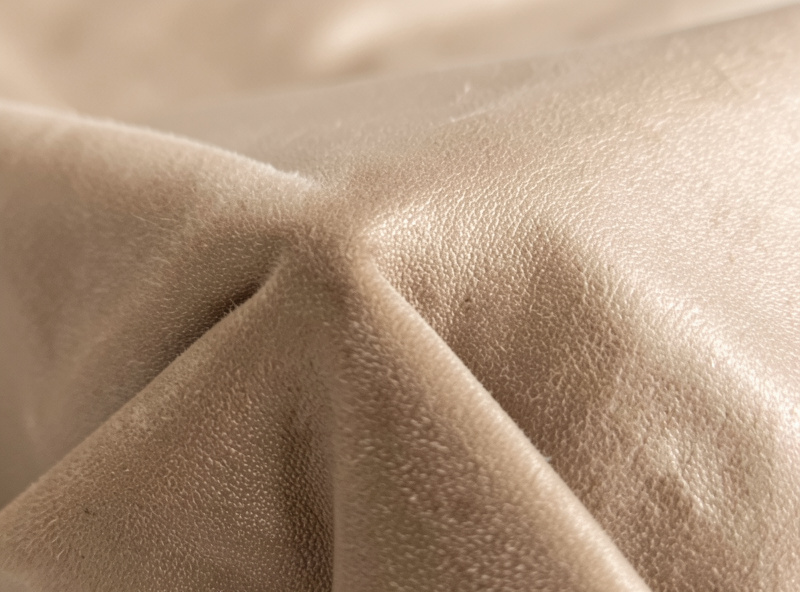
Burnishing works by compressing and heat-glossing the tightly-packed fibers of veg-tan, a process its vegetable tannins and firm structure make possible — chrome-tan is tanned with chromium salts that leave the leather soft, loose-fibered and resistant to that compression. The fibers do not pack down and harden under friction; they just shift and fuzz. No amount of Tokonole and rubbing turns a soft chrome-tan edge into the glass edge a veg-tan belt gets, because the raw material cannot do it.
This is the same fiber difference that makes veg-tan the leather that tools, molds and dyes a certain way and chrome-tan the one that stays supple for garments and bags. It is a feature of chrome-tan, not a defect — that softness is exactly why it is used for the goods it is used for. The burnishing limitation is just the trade-off. If you have followed my general guide to burnishing edges with Tokonole, everything there assumes veg-tan; this article is about what changes when the leather is chrome-tan.
What You Can Do to Improve a Chrome-Tan Edge
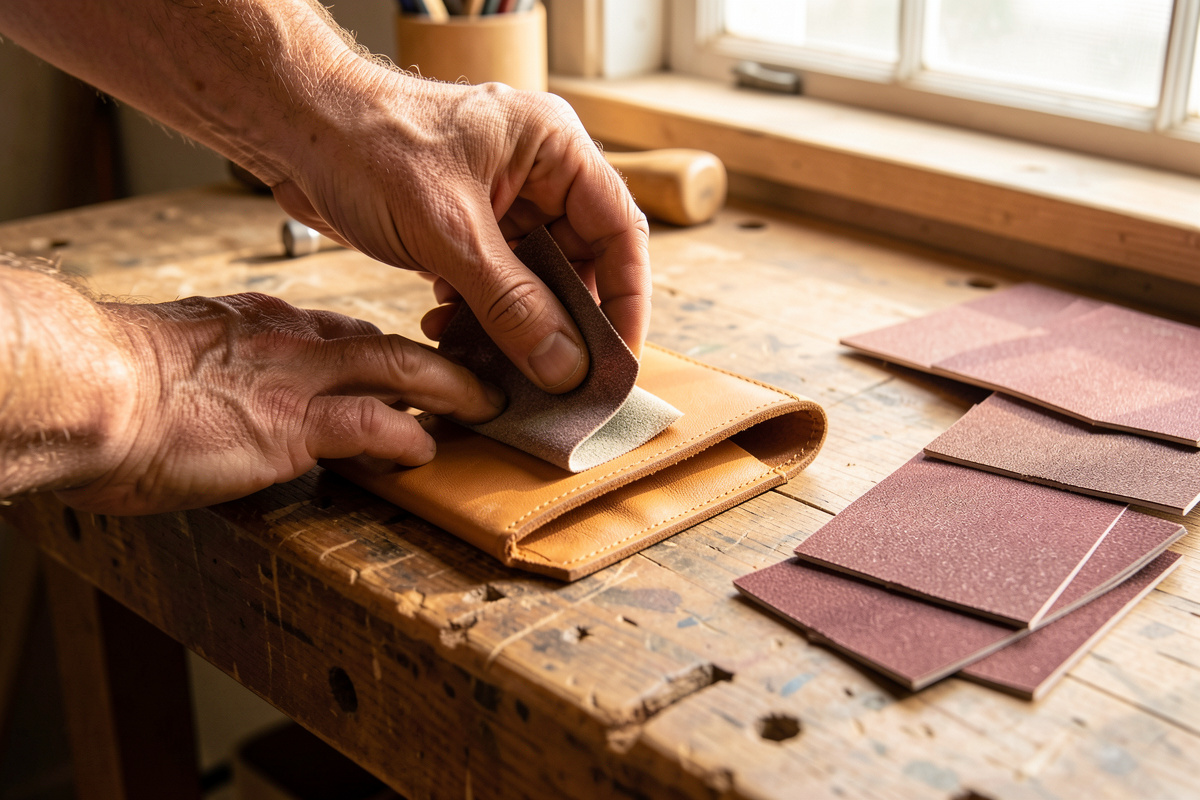
You can meaningfully tidy a chrome-tan edge with careful sanding, a light slick with Tokonole, and gentle friction — it will smooth and darken somewhat even if it never hardens to a glass finish. The goal shifts from a polished edge to a clean, controlled one. Sand the edge smooth through grits as you would for veg-tan, then work a small amount of Tokonole in with a slicker using light pressure.
The key is restraint: too much compound or pressure just fuzzes the soft fibers, so you are aiming to lay them down and lightly seal, not to build the heat-driven gloss veg-tan gives. A leather edge slicker run gently along a lightly-dampened edge lays the fibers flat. You will get a tidier, slightly darker, smoother edge — a real improvement over raw, just not a true burnish. For a single layer of firmer chrome-tan this is often good enough; for soft or layered edges, it usually is not, and that is the cue to switch finishes.
Edge Paint: The Real Answer for Chrome-Tan
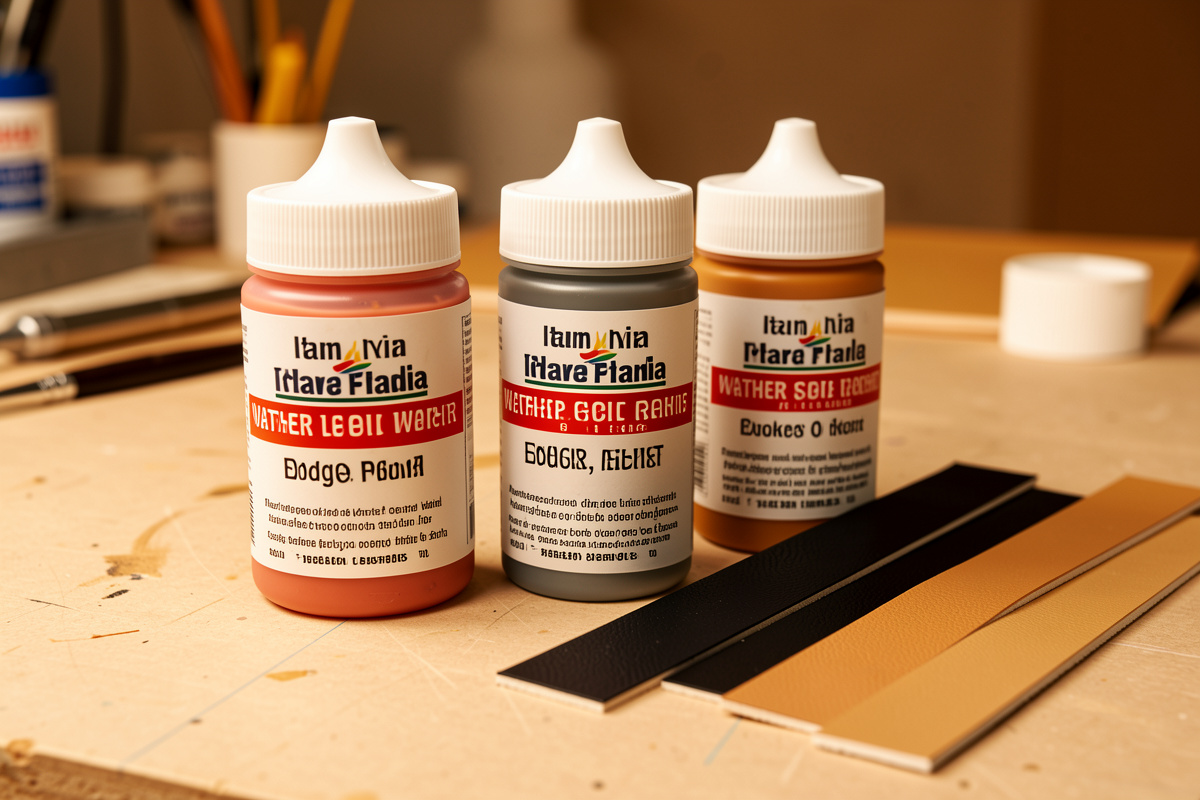
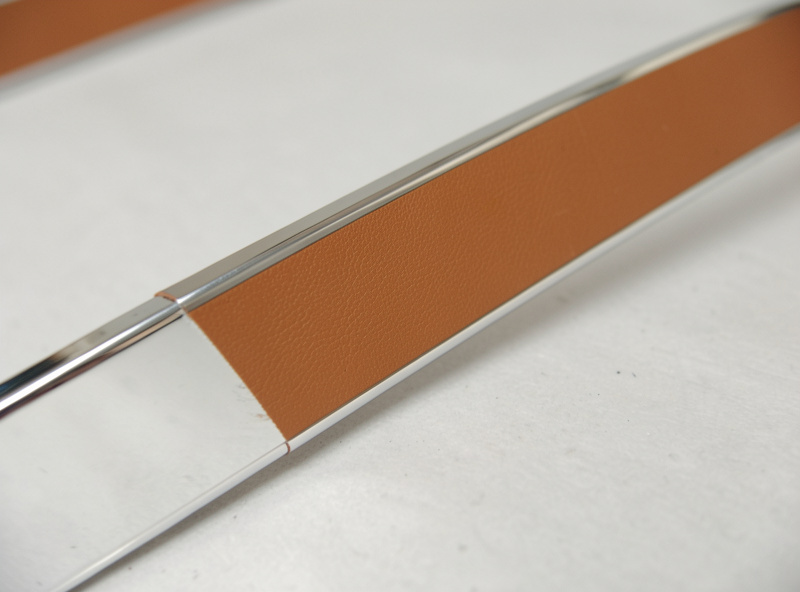
For a genuinely finished chrome-tan edge, edge paint is the correct tool — a flexible pigment coat covers the soft layered edge in a smooth durable line that burnishing simply cannot achieve. This is not a compromise; it is what chrome-tan and layered bag edges are actually meant to be finished with, which is exactly why European bag and accessory makers paint nearly every edge. Edge paint does not rely on the leather burnishing, so the soft fiber structure that defeats slicking is irrelevant.
Apply edge paint in thin heat-set coats over a clean sanded edge, and the soft chrome-tan stack becomes a crisp colored line that flexes without cracking — exactly what a soft bag strap needs. I cover the full decision and the brand differences in my edge paint vs burnishing guide and the edge paint comparison. Once you accept that chrome-tan wants paint, the whole edge gets easier — you stop fighting the leather and start working with it.
When a Light Burnish Is Still Worth It
A light slick is worth doing on firmer chrome-tan or where the edge is hidden and just needs tidying, but skip the effort and go straight to edge paint on soft, visible, or layered edges. Match the effort to the edge. On the inside edge of a lining that barely shows, a quick sand and light Tokonole slick is plenty — no one needs a show edge there. On the visible outer edge of a bag, paint is the move from the start.
The judgment that saves the most time is recognizing chrome-tan early and not pouring twenty minutes of burnishing into an edge that was never going to gloss. I check the leather first: if it is chrome-tan and the edge matters, I sand, then paint. If it is veg-tan, I run the full bevel-to-burnish sequence. Knowing which leather is on your bench is the whole game — the technique follows from the tannage, not the other way around.
Some links in this article are affiliate links — if you buy through them I may earn a small commission at no extra cost to you.
Frequently Asked Questions
Can you burnish chrome-tanned leather edges?
Not to a hard glass finish. Chrome-tan lacks the tannins and dense fiber structure that let veg-tan compress and gloss under friction, so it fuzzes and smears instead of slicking. You can lightly tidy a chrome-tan edge, but a true burnish is not achievable.
Why won’t my chrome-tan edge burnish?
Because chrome-tanned leather is tanned with chromium salts that leave it soft and loose-fibered, so the fibers shift and fuzz rather than packing down and hardening under friction. The softness that makes chrome-tan good for bags and garments is exactly what prevents it from burnishing.
How do you finish a chrome-tan leather edge?
Finish chrome-tan edges with edge paint, a flexible pigment coat applied in thin heat-set layers over a clean sanded edge. Edge paint does not rely on the leather burnishing, so it produces a smooth durable colored line that slicking on soft chrome-tan cannot.
Does Tokonole work on chrome-tan leather?
Tokonole helps tidy a chrome-tan edge slightly, laying the fibers down and smoothing it, but it will not produce the hard gloss it gives on veg-tan. Use light pressure and small amounts; too much just fuzzes the soft fibers. For a true finish, switch to edge paint.
Can you mix veg-tan and chrome-tan in one piece?
Yes, and it is common in bag making, but it complicates edge finishing because the two leathers behave differently at the edge. The usual solution on a mixed or layered edge is edge paint, which finishes both consistently in one coat rather than trying to burnish only the veg-tan parts.
Is a chrome-tan edge worse than a veg-tan edge?
It is not worse, just different. A painted chrome-tan edge can look extremely clean and professional, which is why most designer bags use it. The edges suit different goods: veg-tan burnishes for structured items, chrome-tan paints for soft flexible ones.
Related Guides
- Leather Edge Finishing: The Bevel-to-Burnish Guide
- How to Burnish Leather Edges With Tokonole
- Edge Paint vs Burnishing
- Leather Edge Paint Compared
- How to Sand Leather Edges