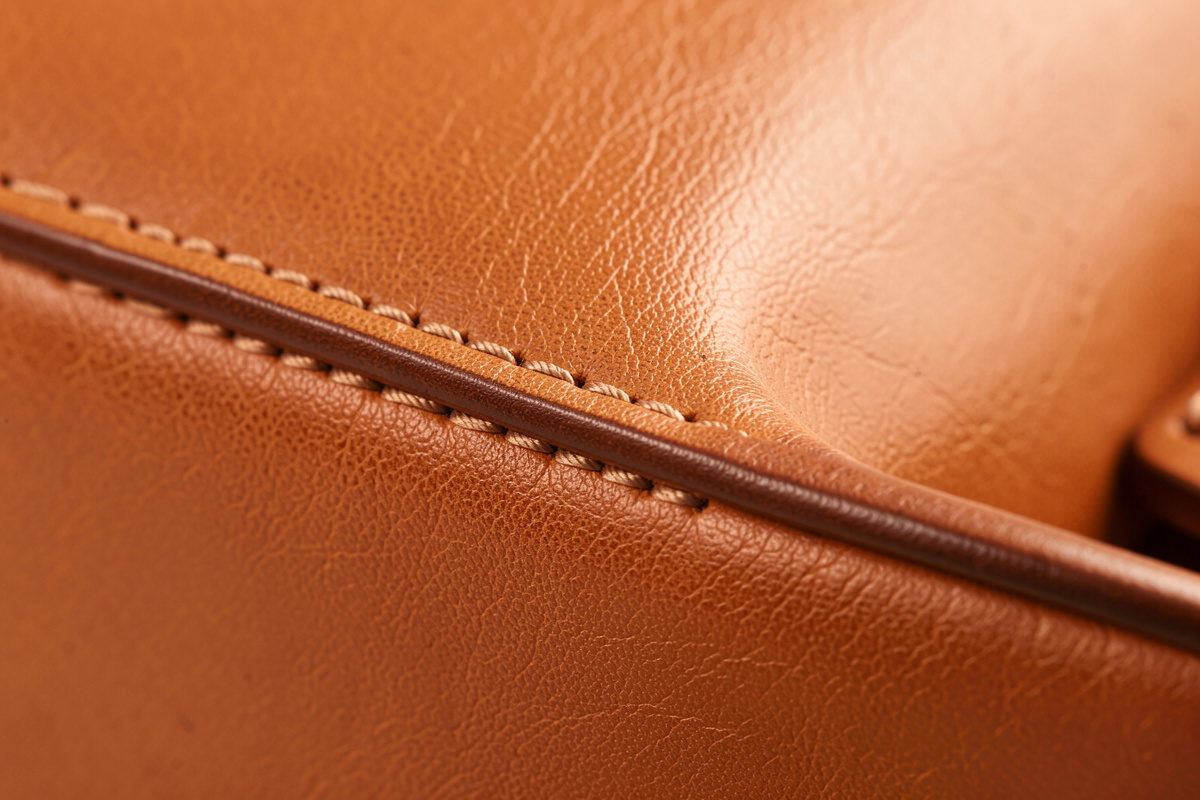
Leather seam finishing on a sewing machine is two jobs: locking the lockstitch so it can’t unravel, then finishing the raw edge by turning, binding, edge-painting, or beveling…
Leather seam finishing on a sewing machine is two jobs: locking the lockstitch so it can’t unravel, then finishing the raw edge by turning, binding, edge-painting, or beveling and burnishing depending on the leather. A machine lays the stitch in seconds; a finished seam that looks bought rather than homemade is all in what you do after the needle stops.
This is the part the influencer build videos skip, and it’s the part that decides whether a piece reads as made or as a kit assembled. I finish machine seams with the same eye I bring to my hand work — the edge is the tell, every time. Below is how to lock the thread and which edge finish to reach for on which leather, building on the main sewing machine for leather guide.
Lock the Stitch Before You Finish the Edge
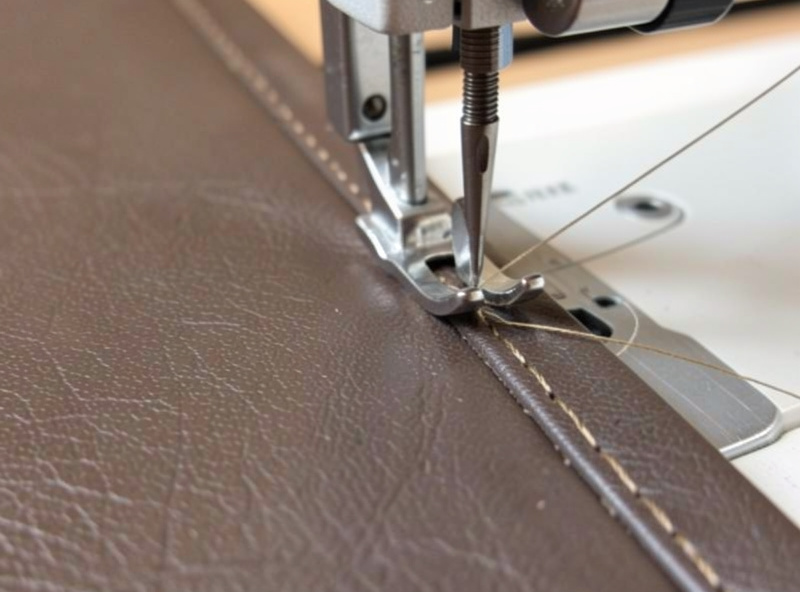
A machine lockstitch will quietly unravel if a thread end is cut or abraded, so the first finishing job is always locking the ends. On a machine with reverse, backtack three or four stitches at the start and end of every seam, sewing back over the line you just laid. That double-stitched anchor is what stops the seam crawling open in use.
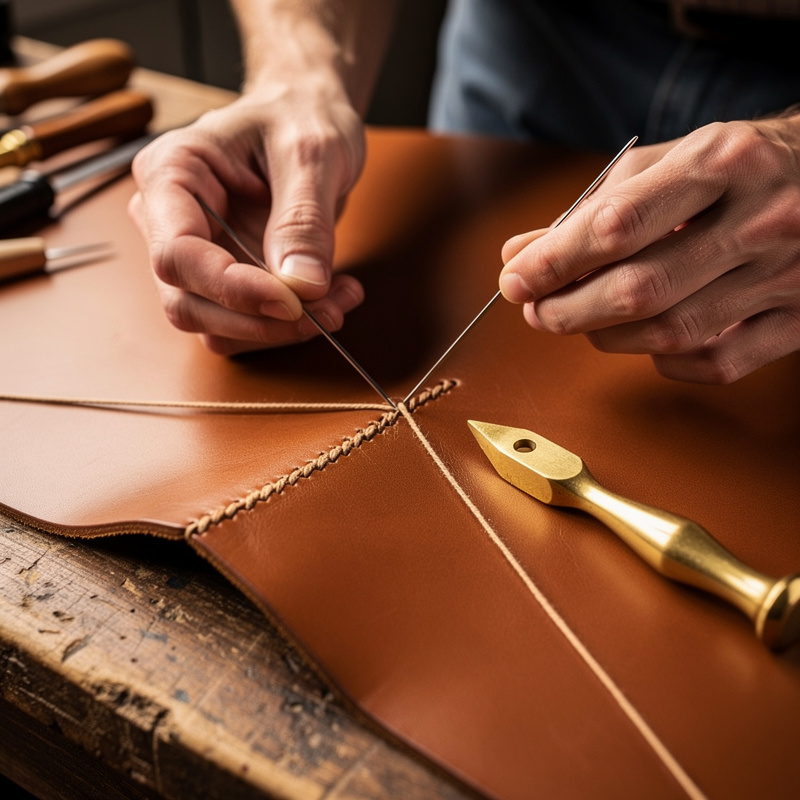
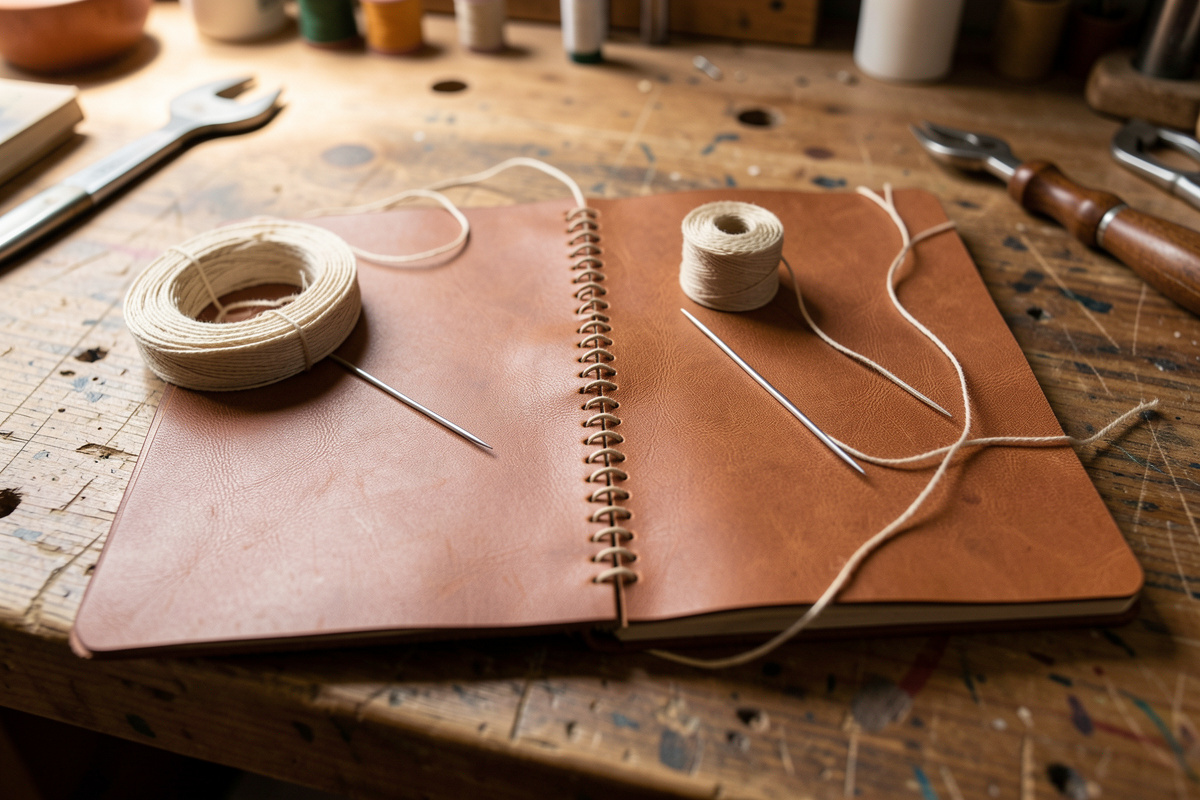
On a straight-stitch-only machine without reverse — some cylinder-arm setups — you lock the ends by hand instead: pull the top thread through to the back, tie it off with the bobbin thread, and bury the tails into the leather with an awl. It’s the machine version of the hand technique I cover in backstitching a leather seam, and it leaves a cleaner face than a visible backtack on fine goods. Either way, never trust an unlocked machine seam — a single nicked stitch is all it takes for a lockstitch to run.
Pick the Edge Finish by the Leather
The edge finish you choose is decided by the leather, not by taste. Firm veg-tan takes a beveled, sanded, slicked and waxed raw edge beautifully; soft chrome-tan won’t burnish the same way and is better turned or edge-painted. Choosing the wrong finish for the leather is the most common reason a machine-sewn edge looks rough no matter how much work goes into it.
So before you finish anything, know which leather you’re holding — the difference is laid out in chrome tan vs veg tan leather. Veg-tan goods get the raw-edge treatment; chrome-tan bags get turned edges or edge paint. Most machine-sewn goods are one of three finishes: a turned (folded) edge, a bound edge, or a finished raw edge. Here’s when each one wins.
The Turned Edge: The Bag-Maker’s Finish
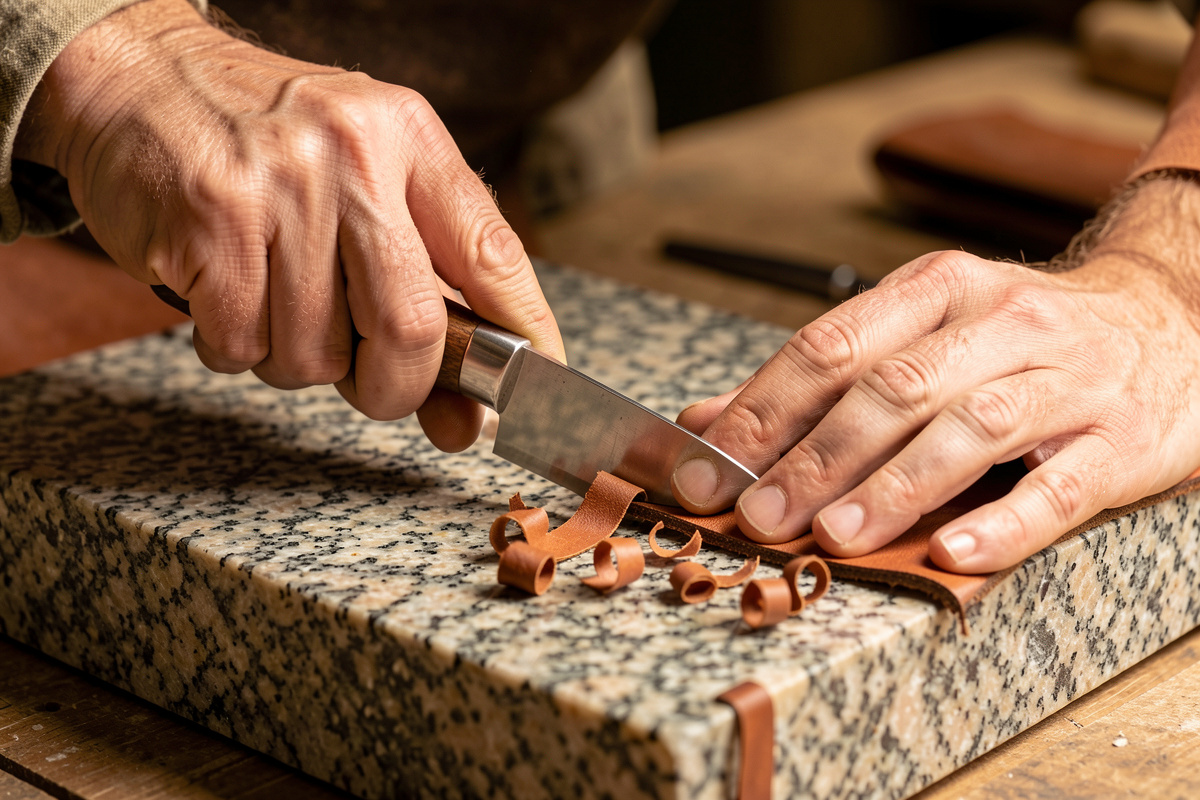
A turned edge folds the leather back on itself so no raw edge shows at all — the standard finish on fine chrome-tan bags and wallets. You skive the fold area thin first so it lies flat, fold it over, glue it, and topstitch close to the fold. Done right it’s invisible and impossibly clean; done without skiving it’s a lumpy ridge.
The skiving is non-negotiable here, because a folded edge doubles the leather and the machine has to climb that bulk while the fold has to lie flat. Thin the fold zone to roughly half thickness, glue and set the fold, then run the machine topstitch a few millimetres in. The whole skiving-for-the-fold technique is in skiving for machine sewing. A turned edge is more work than a raw edge but it’s the most refined finish a machine seam can wear, which is why high-end goods makers use it on anything that opens and closes against the hand.
Bound and Raw Edges
A bound edge wraps a separate strip of thin leather around the raw edge and stitches through it — the rugged finish you see on weatherproof bags, tool rolls, and some holsters. It hides the edge entirely and adds strength, and it’s forgiving because the binding covers any unevenness underneath. Bind with thin chrome-tan and skive the binding strip so the wrapped edge stays slim.
A finished raw edge, by contrast, leaves the cut edge exposed and makes it beautiful — the veg-tan approach. You bevel the corners off, sand up through the grits, then slick and wax until it turns glassy. The full sequence is the same one I use on hand work, in leather edge finishing, with the bevel step detailed in how to bevel leather edges. The only machine-specific wrinkle is that you finish the raw edge after sewing, with the stitch line already setback from the edge so your beveler doesn’t run into the thread — setback is covered in stitching distance from edge.
Edge Paint Over a Machine Seam
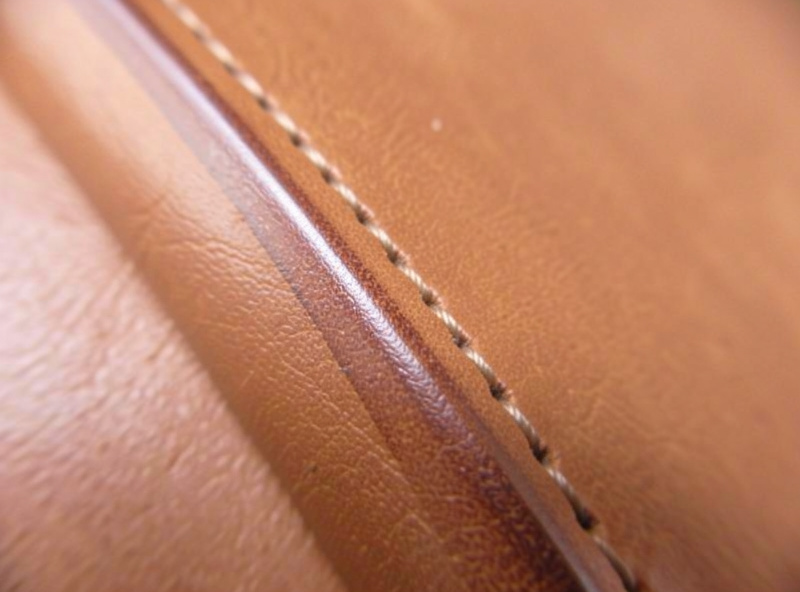
Edge paint is the chrome-tan answer to burnishing: built up in thin coats over a sanded edge, each layer dried and knocked back, until the edge is a smooth painted bead. It’s the finish on most modern designer leather goods because it works on the soft chrome-tan that won’t slick, and it covers a multi-layer machine-sewn edge cleanly.
The keys are a level sanded edge to start, thin coats rather than thick ones, and patience between layers — rushed edge paint cracks and peels. I compare the main edge-paint systems in leather edge paint compared, and the burnish-versus-paint decision sits in its own piece if you’re unsure which way to go. For a machine-sewn chrome-tan bag, a clean edge-paint bead alongside an even topstitch is the combination that reads as professional. A heat crease run just inside the edge, covered in the edge creasing guide, adds the final finished line on either a painted or burnished edge.
Topstitching as Its Own Finish
Sometimes the machine stitch itself is the finish — a topstitch run a few millimetres in from the edge that flattens the seam, holds a fold, and adds a clean decorative line all at once. A second parallel row of topstitch, evenly spaced, turns a plain edge into a deliberate design detail and is one of the things a machine does better than hand stitching ever could.
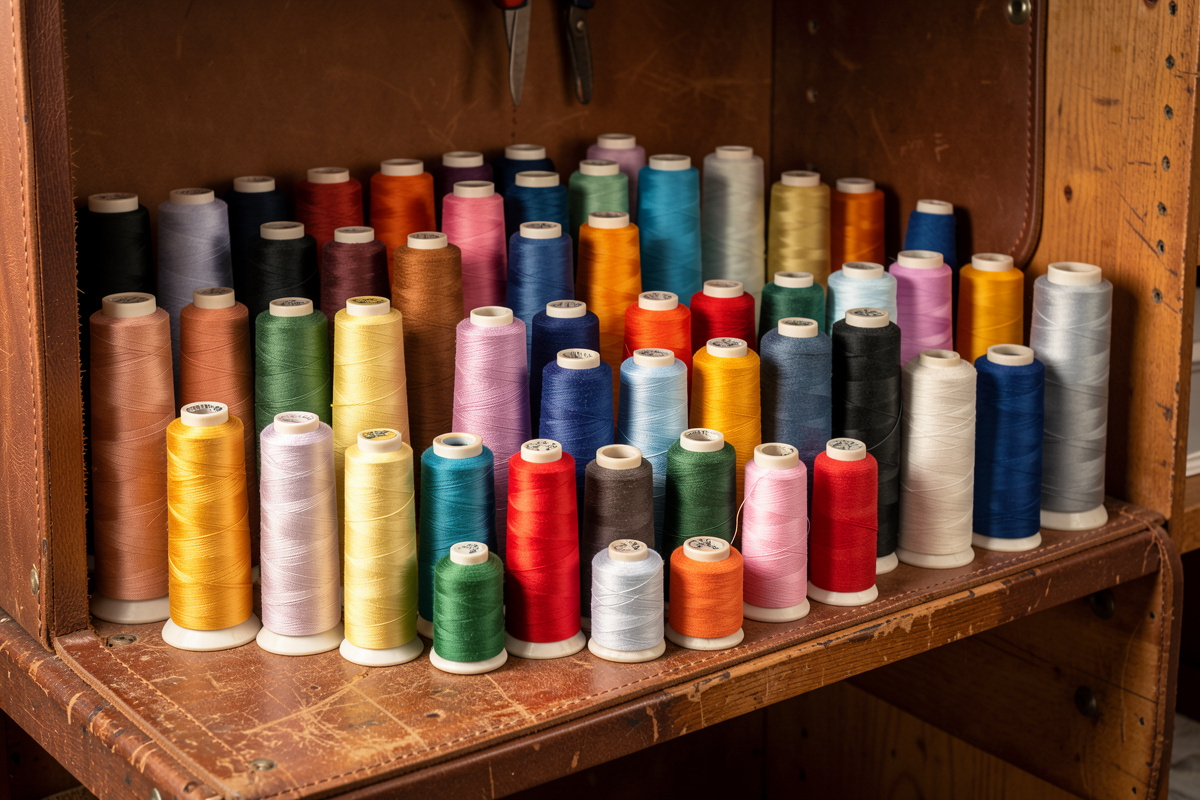
The key to a topstitch finish is consistency: use an edge guide or the right presser foot so the line stays a uniform distance from the edge, because the eye reads any wander instantly on a long straight run. A contrast thread color makes the topstitch a feature rather than just a join — the thread choices for that are in sewing machine thread for leather. When the leather is firm enough to hold a crease, a heat-creased line run just outside the topstitch frames it and lifts the whole edge into something that looks designed.
Glue, Press, and Set the Seam
The unglamorous steps between sewing and finishing are what hold a clean seam together. Glue the layers before you sew so nothing shifts under the foot, then press or hammer the stitched seam flat so the stitches settle into the leather and the lockstitch knots seat below the surface. A seam that’s been set flat takes an edge finish far better than one left as it came off the machine.
For folded and turned edges especially, glue and set the fold fully before topstitching — the right adhesive for the job is covered in best glue for leather. A bone folder or a light tap with a mallet along the seam crushes any high spots flat, and on veg-tan a damp set helps the leather hold the new shape. Skipping this step is why some machine seams pucker and lift at the edge no matter how carefully they were sewn.
Frequently Asked Questions
How do you finish a leather seam on a sewing machine?
First lock the lockstitch by backtacking three or four stitches in reverse, or by tying and burying the thread ends on a machine without reverse. Then finish the raw edge to suit the leather: turn or edge-paint soft chrome-tan, and bevel, sand, slick and wax firm veg-tan. The edge finish is what makes a machine seam look professional.
Why does my machine lockstitch unravel?
A lockstitch unravels when the thread ends are not locked. If a tail is cut or abraded, the stitch can run. Always backtack the start and end of every seam, or tie off and bury the thread ends by hand on a straight-stitch-only machine. An unlocked machine seam is never safe in use.
What is a turned edge in leather work?
A turned edge folds the leather back on itself so no raw edge shows, then is glued and topstitched close to the fold. It is the refined finish on fine chrome-tan bags and wallets. You must skive the fold area thin first so it lies flat and the machine can climb the doubled bulk.
Should I burnish or edge-paint a machine-sewn edge?
Burnish firm veg-tan: bevel, sand, slick and wax the raw edge to a glassy finish. Edge-paint soft chrome-tan, which will not burnish the same way, by building thin coats over a sanded edge. Match the finish to the leather, and keep the stitch line setback from the edge so tools do not hit the thread.
Related Guides
- Sewing Machine for Leather: A Maker’s Complete Guide
- Skiving Leather for Machine Sewing
- Leather Edge Finishing: The Bevel-to-Burnish Guide
- Leather Edge Paint Compared
- Backstitch and Finish a Leather Seam