Full grain leather lasts 2 to 3 times longer than top grain because the outer hide surface stays completely intact — no sanding, no corrective finish applied. I…
Full grain leather lasts 2 to 3 times longer than top grain because the outer hide surface stays completely intact — no sanding, no corrective finish applied. I switched from a top-grain belt blank to a full-grain Hermann Oak strap three years ago and the patina development alone made the $15 difference irrelevant.
Top grain has about 0.5 to 1 mm of the surface sanded off and a uniform finish layer applied — it is stain-resistant out of the box but never develops the deep aged character that makes full grain heirloom-quality. For wallets, belts, and watch straps you plan to carry daily for a decade, full grain is almost always worth the 30 to 60% price premium. The types of leather hub covers the broader picture: tannage, grade, weight, and animal source decisions. For the companion piece on picking wallet leather, the best leather for wallets guide covers exact thickness and tannery recommendations.
I learned this the expensive way — bought a cheap chrome-tan hide sold as “genuine leather” for my first wallet build, and the edges refused to burnish no matter what I tried. Spend the extra $10-15 for full grain veg-tan from a named tannery and you avoid that entire class of frustration. For leather goods you’ll keep for a decade — wallets, belts, watch straps, holsters — full grain is almost always worth the 30 to 60% price premium. For furniture, automotive interiors, and bag linings where appearance uniformity matters more than wear life, top grain is often the smarter pick. The two terms refer to processing, not species or quality grade in isolation. How chrome-tan and veg-tan actually compare on the workbench — burnishing behaviour, dye uptake, edge finishing, and long-term aging — is covered in the chrome tan vs veg tan leather guide.
What “Full Grain” Actually Means
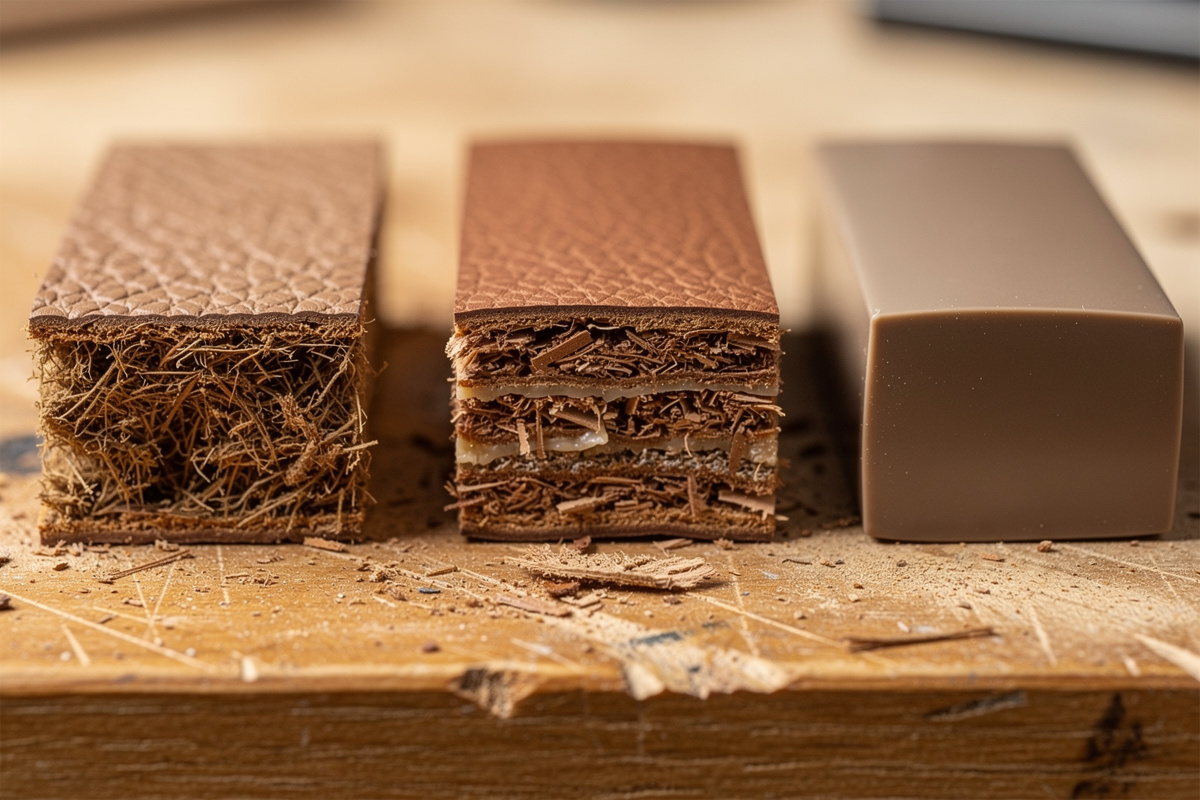
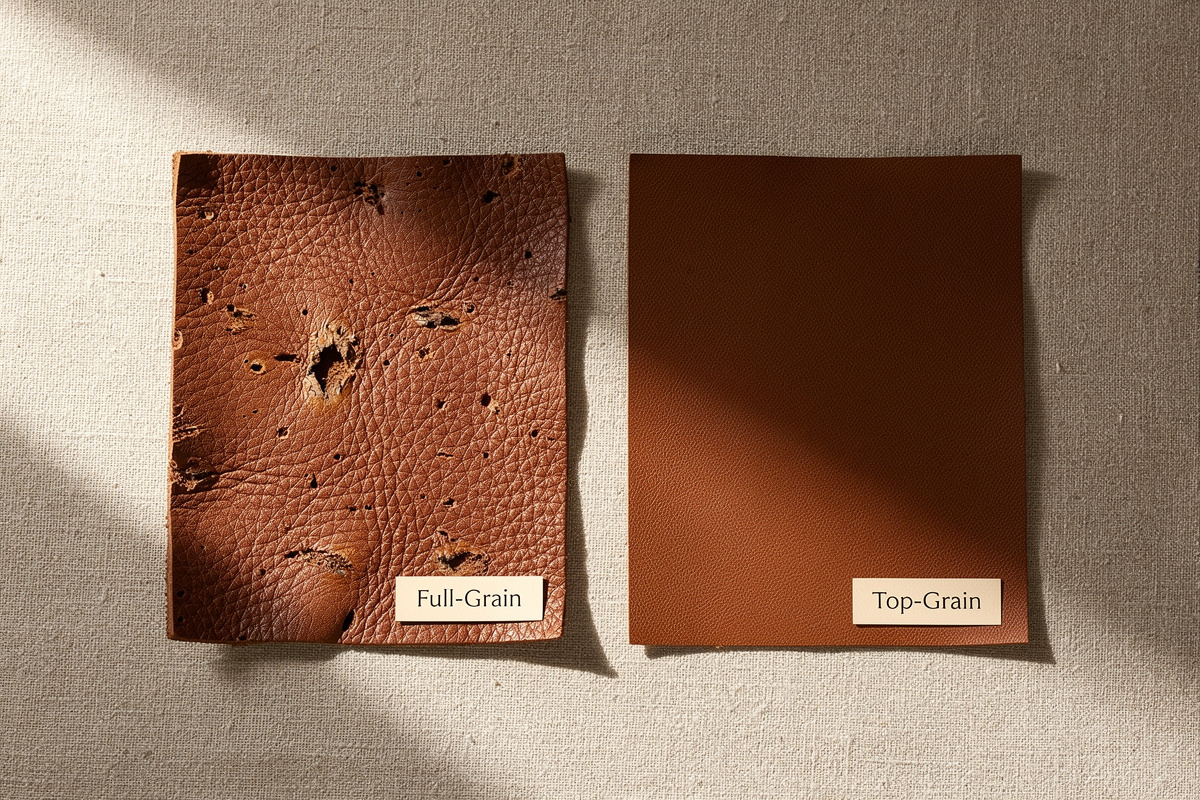
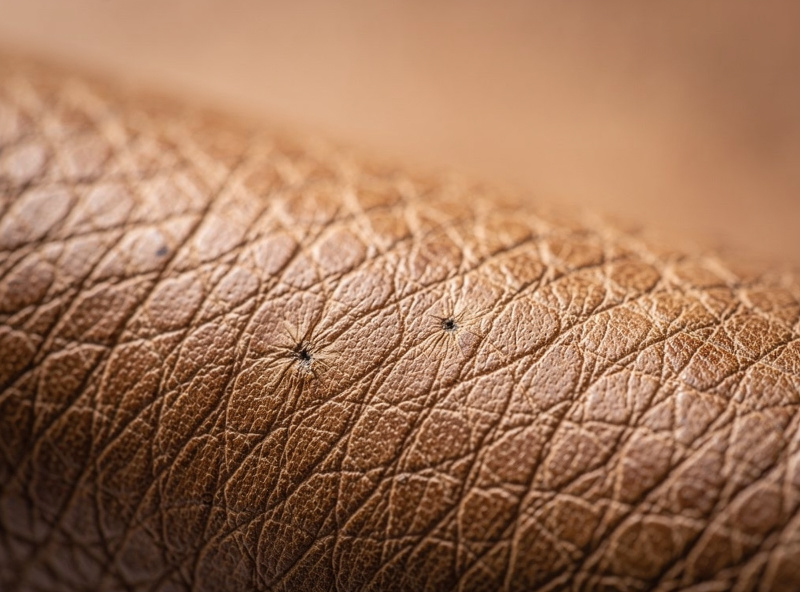
Full grain leather is the outermost layer of an animal hide where the grain pattern formed during life is intact. The hide is split below this layer to remove the corium (the loose middle fibers) and the hair-side surface is left untouched except for tanning. You can see the pores from individual hair follicles, healed insect bites, brand marks, and natural color variation across the surface.
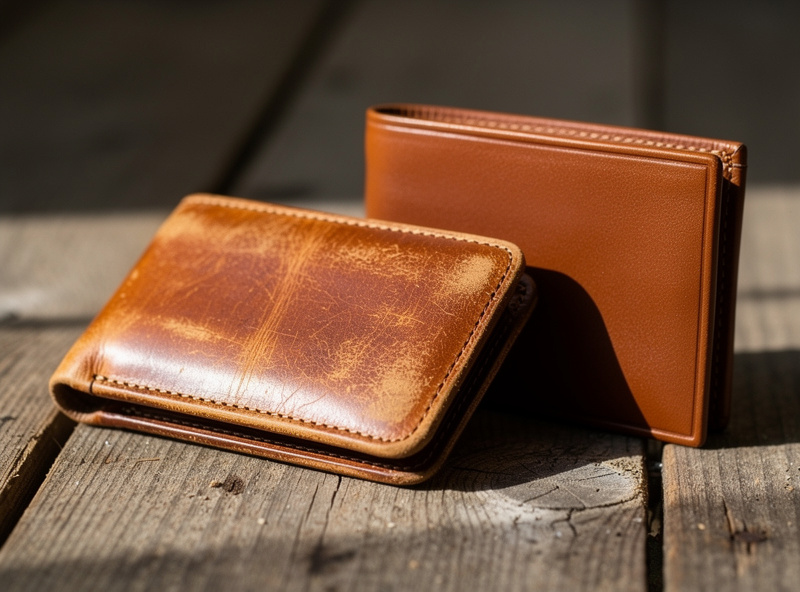
That intact grain layer is the densest, strongest part of the hide because the fibers there are tightly interlocked. A full grain belt, after 5 years of daily wear, typically shows scuffs that polish out and a deepening color called patina. The same belt in top grain develops surface cracks at the punched holes and the buckle fold within 2 to 3 years because the densest fibers were sanded away.
Full grain comes in two main tannages relevant to crafters: vegetable-tanned (Hermann Oak, Wickett & Craig) for tooling, dyeing, and burnishing; chrome-tanned (Horween Chromexcel, Maryam) for soft-temper bags and footwear. The “full grain” label is independent of tannage — both veg and chrome tanneries produce full grain hides.
When I first started leatherworking, I bought top grain because it looked cleaner on the rack — no scars, no range marks, perfectly uniform. I only understood the difference after handling a friend’s 8-year-old full-grain wallet that looked better than the day it was made while my top-grain piece had a plasticky surface that never changed. That experience is why I now buy full grain for anything I carry daily.
What “Top Grain” Actually Means
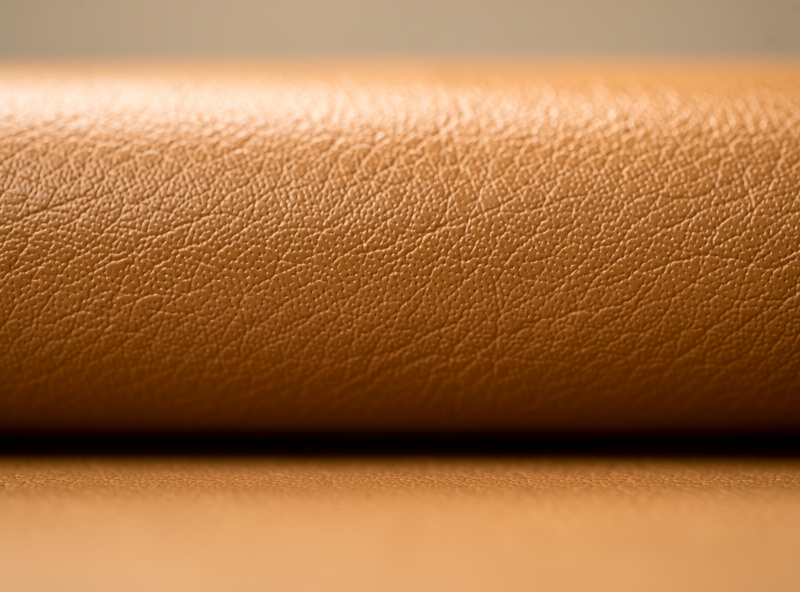
Top grain leather starts as full grain but the surface is sanded with progressively finer abrasives to remove imperfections, then embossed with a uniform grain pattern and coated with a polymer or pigment finish. The result is a hide that looks consistent panel to panel — important for furniture upholstery and car interiors where buyers expect every cushion to match.
Sanding removes the densest fibers from the grain layer, so top grain is mechanically weaker than full grain even though it comes from the same starting hide. The surface coating is what makes it stain-resistant: spilled coffee or wine wipes off rather than absorbing. Patina barely develops because the coating prevents oxidation of the leather underneath.
Top grain is sometimes labeled “corrected grain” when the embossed pattern is heavy enough to disguise the sanding. The most common confusion is between top grain (sanded outer layer of the hide) and split leather (the corium underneath, no grain layer at all) — these are completely different products despite both being made from the same hide.
Full Grain vs Top Grain: Performance Side-by-Side
| Property | Full Grain | Top Grain |
|---|---|---|
| Surface treatment | None — natural grain intact | Sanded, often embossed and finish-coated |
| Strength | Highest — densest fibers retained | Lower — densest fibers removed |
| Patina development | Yes, deep amber over years | Minimal — coating blocks oxidation |
| Stain resistance | Low until conditioned | High out of the box |
| Appearance uniformity | Visible scars, pores, color shifts | Highly uniform panel to panel |
| Typical lifespan (daily carry) | 10 to 25 years | 3 to 7 years |
| Typical price premium | +30 to 60% | Baseline |
| Best uses | Wallets, belts, holsters, premium bags | Furniture, auto interiors, bag linings |
How to Tell Them Apart by Sight and Touch
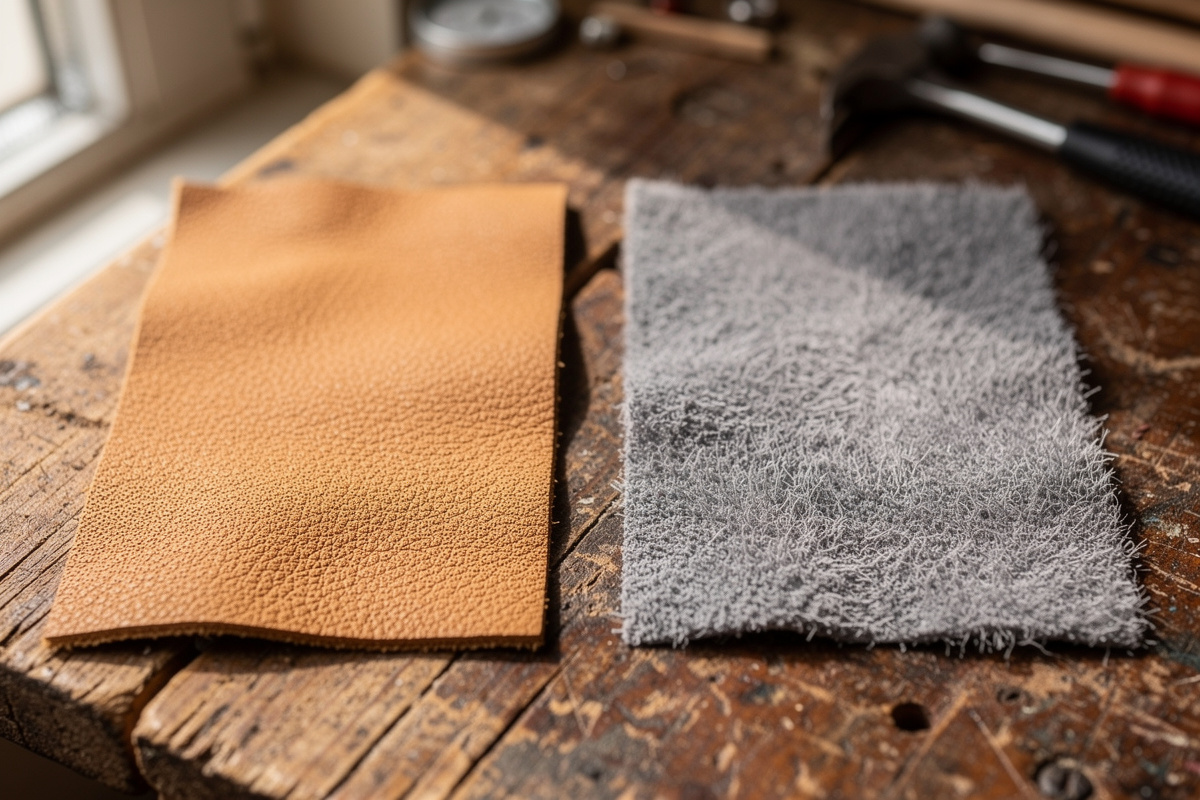
The grain side of full grain leather has irregular pore distribution: more pores in some areas, fewer in others, occasional larger pores from healed wounds, and color variation that follows the original animal’s life. Top grain shows a perfectly even pore distribution because the embossing roller stamped the pattern uniformly — pores are too consistent in size and spacing to be natural.
Touch tells you almost as much. Full grain has a slightly variable surface texture you can feel under a fingernail because each pore depth is different. Top grain feels smoother and more plastic, especially with the polymer coating; the surface is uniformly slick rather than subtly textured.
The water-drop test is the cleanest field check. Drop a single bead of water on the grain side and wait 60 seconds. Full grain absorbs it and the spot darkens noticeably; top grain (because of the surface coating) makes the water bead up and roll off without absorption. This works reliably on any unconditioned hide and is what most leather suppliers use to confirm tannage and grain on incoming stock.
Where the Confusion Comes From
Three labeling traps cause most full-vs-top mix-ups in the consumer market. First, “genuine leather” is a low grade — it usually means split leather coated with polymer to look like grain leather, not full grain or even top grain. Second, “100% leather” only confirms it isn’t synthetic, not which part of the hide. Third, “Italian leather” refers to country of finishing, not grain layer.
Premium product descriptions often say “made from top-grain leather” without specifying full grain because top grain is the broader category that includes full grain. This is technically correct (full grain is the topmost layer of the grain) but obscures whether sanding occurred. Push for explicit “full grain” or “uncorrected” wording in the product description before paying for the premium tier.
If you’re buying hides for crafting, the supplier’s tannery name and tannage tell you more than the grain label. Hermann Oak and Wickett & Craig sell vegetable-tanned full grain by default; Horween’s Chromexcel and Dublin lines are chrome-tanned full grain. See the leather types cluster for the full tannery-to-product mapping.
When Top Grain Is Actually the Right Choice
Top grain wins for furniture upholstery because seating leather needs to look identical across 6 cushions and a 14-foot sofa. Full grain’s natural variation that crafters love would read as “random light and dark patches” on a couch, and most buyers would return it. The polymer coating also makes it kid- and pet-friendly: spilled juice wipes off, scratches are less visible because the coating diffuses the damage.
Automotive interiors face heat cycling from -20°F to 140°F and constant UV, both of which dry out and crack untreated full grain. Top grain’s coating provides UV blocking and moisture retention that full grain doesn’t get without quarterly conditioning. Performance car interiors increasingly use full grain Nappa, but those owners condition the leather every 3 to 6 months to keep it from cracking.
Inside your handmade bag — the lining where the leather touches your stuff but never shows externally — chrome-tan top grain is often the better pick because the surface coating prevents dye transfer onto your wallet, phone, or notebook. Full grain inside a bag will mark up your contents until it’s been used for a year. Use full grain where it shows; use top grain where it doesn’t.
Buying Guide: Matching Grain Choice to Project
For the seven most common hand-stitched projects, here’s the grain that experienced crafters reach for first. Card holder, bifold wallet, watch strap: 4 to 5 oz veg-tan full grain — patina makes these projects more beautiful with age. See the leather projects cluster for cut lists and step-by-step assembly.
Belt, knife sheath, dog collar: 8 to 10 oz veg-tan full grain — strength matters more than appearance, and the thick stock holds tooling and stamping cleanly. Tote bag, messenger bag exterior: 4 to 6 oz chrome-tan full grain (Horween Chromexcel) for the soft hand and built-in oil content that resists rain spotting. Bag interior lining: 2 to 3 oz chrome-tan top grain because the coating prevents dye transfer.
One exception worth knowing: hand-stitched leather goods you intend to dye dark (jet black, navy, oxblood) are often easier with top grain because the smoother sanded surface absorbs dye more evenly than full grain’s irregular pore pattern. The trade-off is the dyed top grain won’t develop patina, so you commit to that color forever. The dyeing cluster covers this trade-off in detail.
Frequently Asked Questions
Is full grain leather always better than top grain?
For daily-carry items like wallets, belts, and holsters, yes — full grain is stronger and lasts 2 to 3 times longer. For furniture and auto interiors where appearance uniformity and stain resistance matter more, top grain is the better pick. The right choice depends on use, not absolute quality.
How can I tell full grain from top grain leather at home?
Drop a bead of water on the grain side and wait 60 seconds. Full grain absorbs and darkens; top grain beads up and rolls off because of the surface coating. Also check pore distribution: full grain has irregular pores; top grain shows perfectly uniform embossed grain.
Is top grain leather the same as genuine leather?
No. Top grain is the sanded upper layer of the hide. Genuine leather is a separate, lower grade that usually means split leather (the corium below the grain) coated with polymer to look like grain leather. Genuine leather is the lowest of the four common labels.
Why does full grain leather develop patina but top grain does not?
Patina is the gradual oxidation and burnishing of natural leather fibers under daily handling. The polymer or pigment coating on top grain blocks oxygen and skin oils from reaching the fibers, so the surface stays uniform instead of darkening into patina.
How much more does full grain leather cost?
Typically 30 to 60% more than top grain for the same hide species and tannage. A 5 sq ft veg-tan full grain panel might run $40 to $60; the same hide as top grain runs $25 to $40. The premium reflects yield loss from rejecting hides with too many surface flaws.
Can I tool and stamp top grain leather?
Not effectively. Tooling depends on the dense undisturbed grain layer holding an impression; sanded top grain is too soft and the surface coating prevents the stamp from biting. Use full grain veg-tan for any project that involves stamping, carving, or basket-weave tooling.
Related Articles
- Leather Types & Selection cluster
- Leather Projects for Beginners: First Three to Build
- Leather Working for Beginners: Complete Starter Guide
- Leatherworking Tools Guide: Three Tiers of Buy-In
- Leather Dyeing: The Complete Veg-Tan Guide