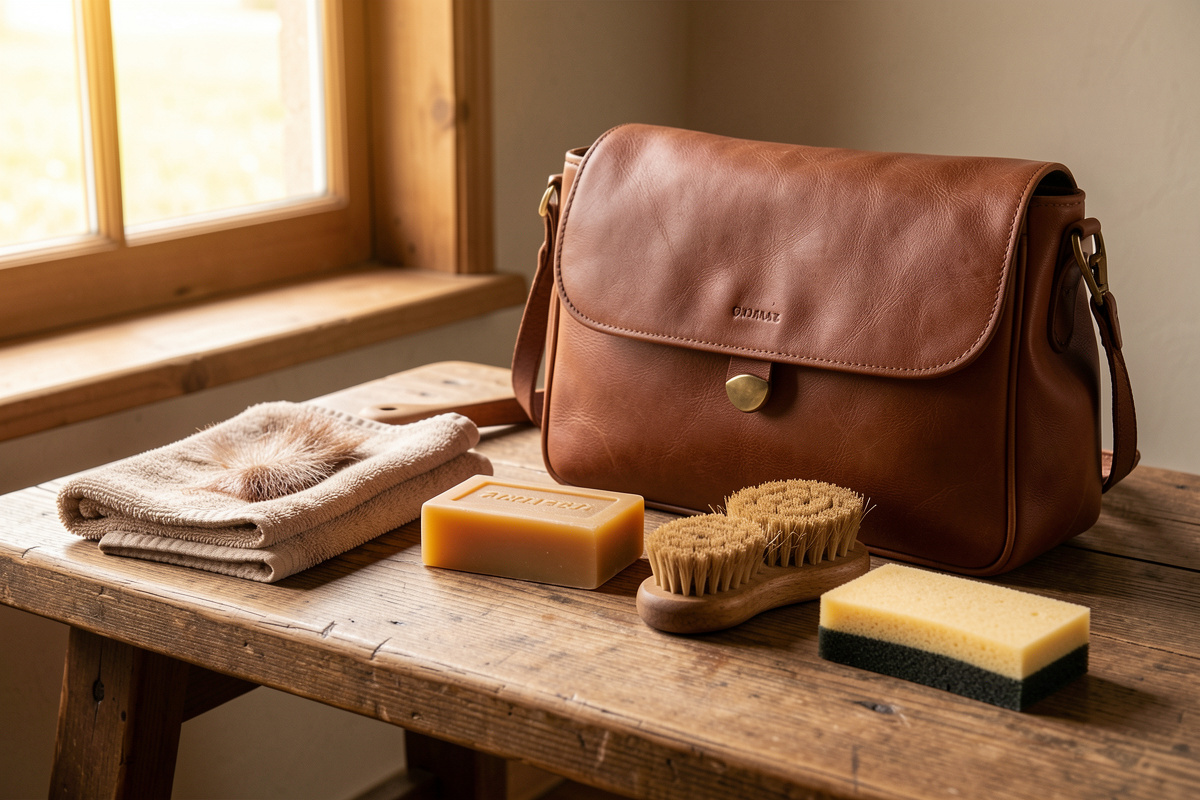
Cleaning leather goods means lifting grit, skin oil, and grime out of the grain before they grind the fibers down — and it has to happen before any…
Cleaning leather goods means lifting grit, skin oil, and grime out of the grain before they grind the fibers down — and it has to happen before any conditioning. For most veg-tan and chrome-tan pieces that is a wrung-out damp cloth plus, two or three times a year, a light pass of glycerin saddle soap. The wrong move is reaching for household cleaners, which strip the finish and the natural oils in one wipe.
On the bench I clean every piece before I condition it, every time, because conditioner laid over a dirty surface just drives the dirt deeper and seals it in. This guide covers how to clean each leather type properly, the products that work, the ones that quietly destroy leather, and how to handle the jobs that scare people — mold, ink, salt stains, and grease.
Why Cleaning Has to Come First
Every time you handle a wallet or sling a bag, you deposit skin oil and pick up airborne dust. That mix works into the grain and acts like a fine abrasive, cutting the surface a little more with every flex. Cleaning lifts it out before it does lasting damage. Skip the cleaning step and condition straight over a season of grime, and you are polishing dirt into the leather where it will dull the finish and hold moisture against the fibers.
The order is fixed: clean, dry, then condition. I have brought stiff, neglected belts back to daily use, and every one started with a thorough clean to strip the old wax and embedded dirt so the conditioner could actually reach the fiber. Cleaning is not the optional first step — it is the step that makes everything after it work.
Match the Method to the Leather
There is no universal leather cleaner because the tannage decides what the surface can take. Veg-tan and most finished chrome-tan handle a damp cloth and gentle soap; napped leathers like suede and nubuck must stay dry; oil-tanned and pull-up leathers want the least intervention of all. Knowing what you have in your hand is the whole game, and if you are unsure, my guide to chrome tan versus veg tan and the broader types of leather primer sort it out.
For finished smooth leather — the great majority of wallets, belts, and bags — a cloth barely damp with water, wrung until it is almost dry, wiped over the surface in sections, lifts everyday grime with no risk. Let it flash off, and only step up to saddle soap if a wipe-down is not enough. Saddle soap is a periodic deep clean, not a weekly habit; its job is to cut old wax and ground-in dirt, and used too often it leaves a dulling residue.
How to Deep Clean Smooth Leather With Saddle Soap
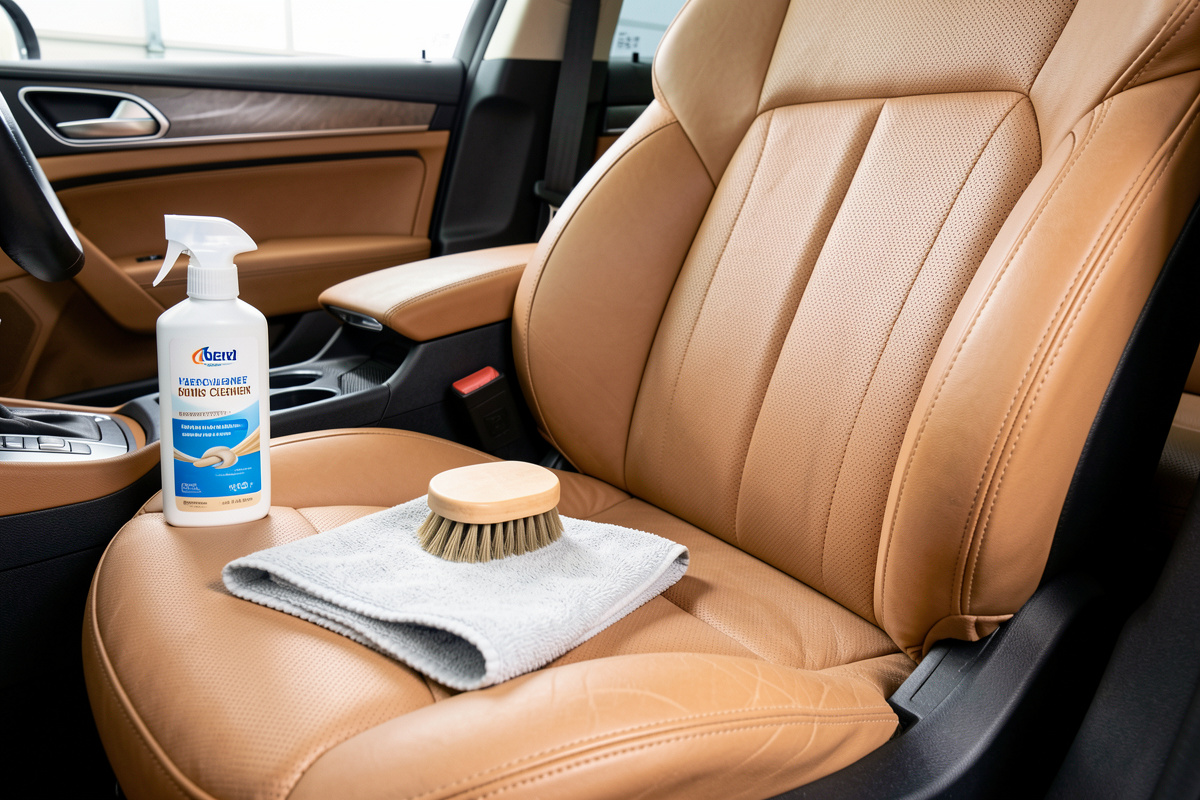
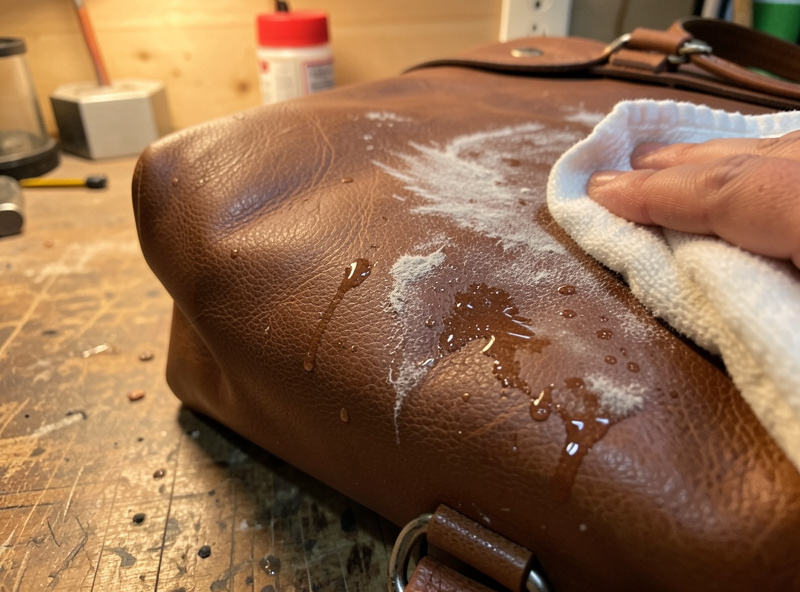
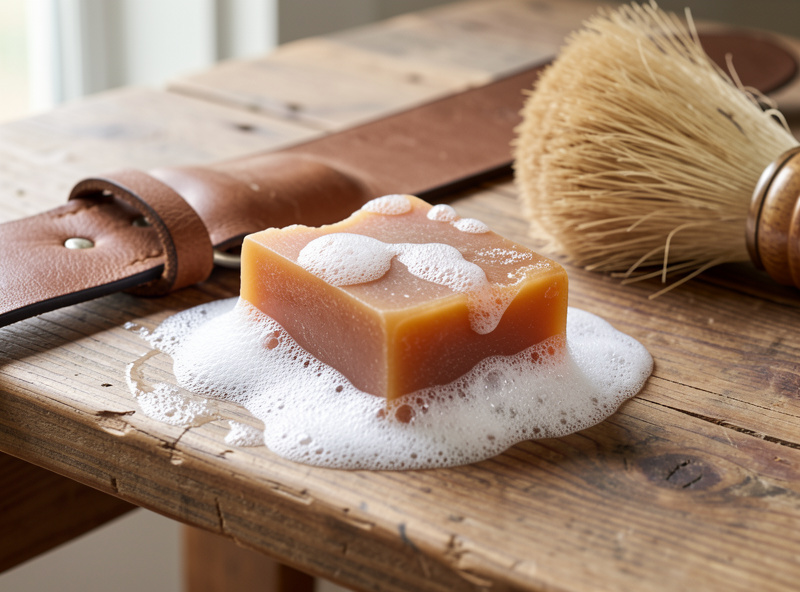
When a damp cloth is not cutting it, glycerin saddle soap is the right tool. The trick is to use a damp sponge and very little water — you want a light foam, not a soak. Wet the sponge, wipe it across the soap to load it, work up a thin lather on the leather in small circles, then wipe the lather off with a clean damp cloth before it dries. Work one panel at a time so nothing sits wet.
The most common error is flooding the leather. Saddle soap is water-based, and water is what carries dirt out, but a saturated piece dries unevenly and stiffens. Keep the sponge barely damp, work in sections, and lift the foam promptly. Once the whole piece is cleaned and wiped, let it dry slowly at room temperature — never near heat — for several hours before you condition. The surface will look slightly dry and matte after cleaning; that is normal, and conditioning brings the life back.
| Leather / Stain | Clean With | Avoid |
|---|---|---|
| Finished smooth leather | Damp cloth, then saddle soap if needed | Alcohol, baby wipes, all-purpose spray |
| Suede & nubuck | Dry suede brush, eraser block | Any water or conditioner |
| Pull-up / oil-tan | Damp cloth only | Saddle soap, solvents |
| Grease / oil stain | Cornstarch or talc to draw it out | Water (sets the stain) |
| Ink mark | Test, then minimal deglazer on finished leather | Scrubbing, hairspray on raw leather |
| Mold / mildew | Diluted vinegar wipe, dry thoroughly, air out | Sealing it back in storage damp |
Cleaning Suede and Nubuck (Stay Dry)
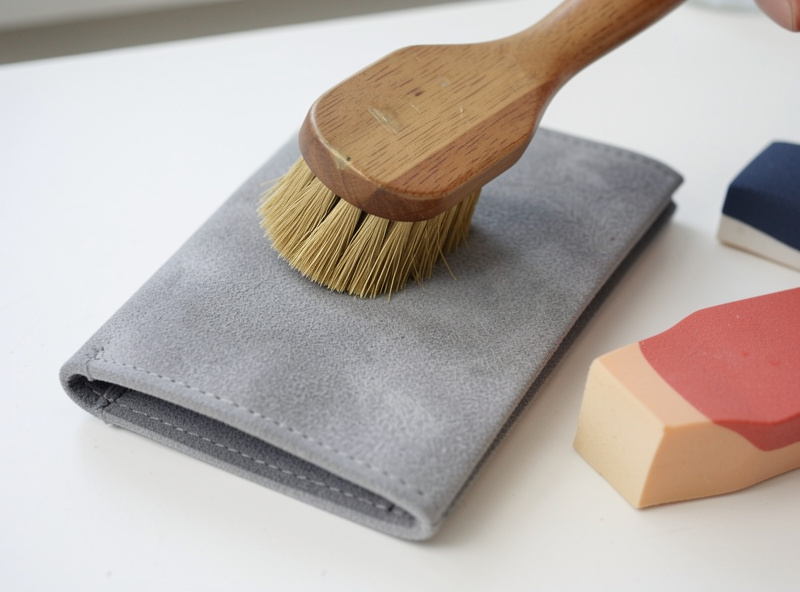
Suede and nubuck are the exception to everything above: no water, no soap, no conditioner. The nap is a forest of tiny fibers, and liquid mats it down and stains permanently. Clean these dry. A suede brush lifts surface dust and resets the nap; a rubber eraser block, or a dedicated suede eraser, rubs out scuffs and dry marks. Brush in one direction afterward to even the nap out.
For a fresh wet stain on suede, blot — never rub — and let it dry fully before brushing. The difference between suede and nubuck matters when you pick a brush; nubuck is finer-grained and takes a softer touch, and I cover the distinction in suede versus nubuck. Protect both with a dedicated suede spray, never a wax or grease.
The Hard Jobs: Grease, Ink, Mold, and Salt
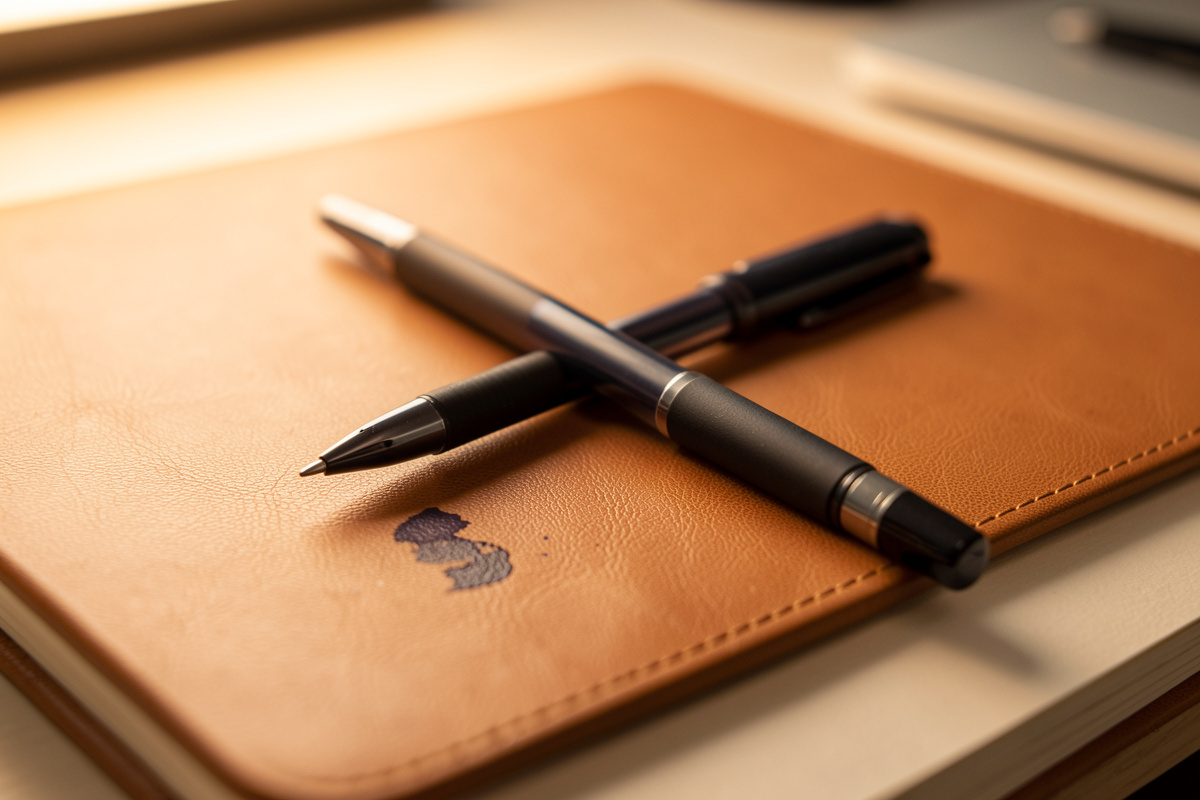
Some stains need more than soap. Grease and oil get worse with water, which sets them — instead, cover the spot with cornstarch or talcum powder, leave it overnight to draw the oil out, and brush it off; repeat if needed. Ink is risky: on sealed, finished leather a tiny amount of leather deglazer on a cotton swab can lift it, but on raw veg-tan ink sinks in and is often permanent, so always test on a hidden spot first.
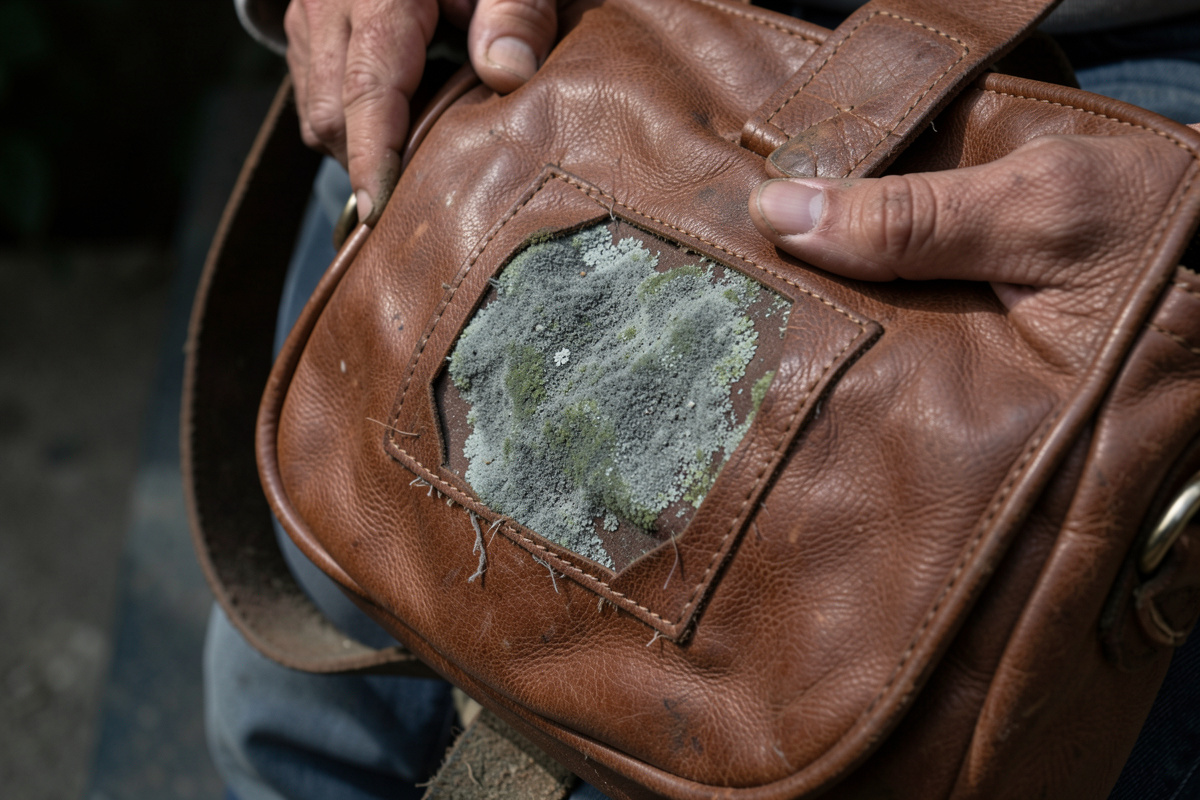
Mold and mildew mean the piece was stored damp. Take it outside, brush the bloom off, wipe with a cloth dampened in a one-to-one mix of water and white vinegar, then dry it slowly and air it out for days before storing — this time somewhere that breathes. Salt stains, the white tide-lines from winter or sweat, wipe off with a barely-damp cloth and a touch of vinegar, then a slow dry and a recondition. The full recovery sequence for badly neglected pieces lives in the leather care and restoration guide.
What Never to Use
The supermarket aisle is full of products that will quietly wreck leather. Baby wipes and “leather wipes” carry detergents and solvents that strip oils and finish. Rubbing alcohol, acetone, and nail polish remover dissolve dye and dry the surface to cracking. All-purpose spray cleaners are built to cut grease — including the leather’s own. Even dish soap is harsher than it looks. Stick to plain water, proper saddle soap, and the targeted treatments above, and you will never strip a finish by accident.
Once a piece is clean and fully dry, it is ready for the next stage. Cleaning resets the surface; conditioning puts the oils back, and anything weather-exposed then needs waterproofing as a separate step. A horsehair brush and a bar of glycerin saddle soap cover nearly every cleaning job a leather owner faces. As an Amazon Associate I earn from qualifying purchases.
Frequently Asked Questions
Can I use baby wipes to clean leather?
No. Baby wipes and supermarket leather wipes contain detergents and solvents that strip the finish and the leather’s natural oils, leaving the surface dry and prone to cracking. Use a barely-damp cloth and glycerin saddle soap instead.
How often should I clean leather goods?
Wipe high-contact pieces like wallets and bags down monthly with a barely-damp cloth, and do a deeper saddle-soap clean two or three times a year. Cleaning too often with soap leaves a dulling residue, so reserve it for when a plain wipe is not enough.
How do I clean suede without ruining it?
Keep suede completely dry. Use a suede brush to lift dust and reset the nap, and a rubber eraser block to rub out scuffs. Never use water, soap, or conditioner, which mat the nap and stain it permanently. Blot wet spills and let them dry before brushing.
How do I get a grease stain out of leather?
Never use water, which sets oil stains. Cover the spot with cornstarch or talcum powder and leave it overnight to draw the grease out, then brush it off. Repeat until the stain lifts. Deep or old grease stains may not fully disappear.
Can saddle soap damage leather?
Saddle soap is safe used correctly but harmful overused. It is a periodic deep cleaner, not a weekly product. Used too often or with too much water it leaves residue and dries the surface. Apply a thin foam with a barely-damp sponge, wipe it off promptly, and follow with conditioning.
How do I remove mold from leather?
Take the piece outside, brush off the mold, then wipe with a cloth dampened in equal parts water and white vinegar. Dry it slowly away from heat and air it out for several days before storing it somewhere that breathes. Mold means it was stored damp.
Keep Reading
- Leather Care and Restoration: The Complete Bench Guide
- Conditioning Leather: Products and Technique
- Waterproofing Leather Goods
- Storing Leather Goods Long Term
- Suede vs Nubuck: The Difference Explained