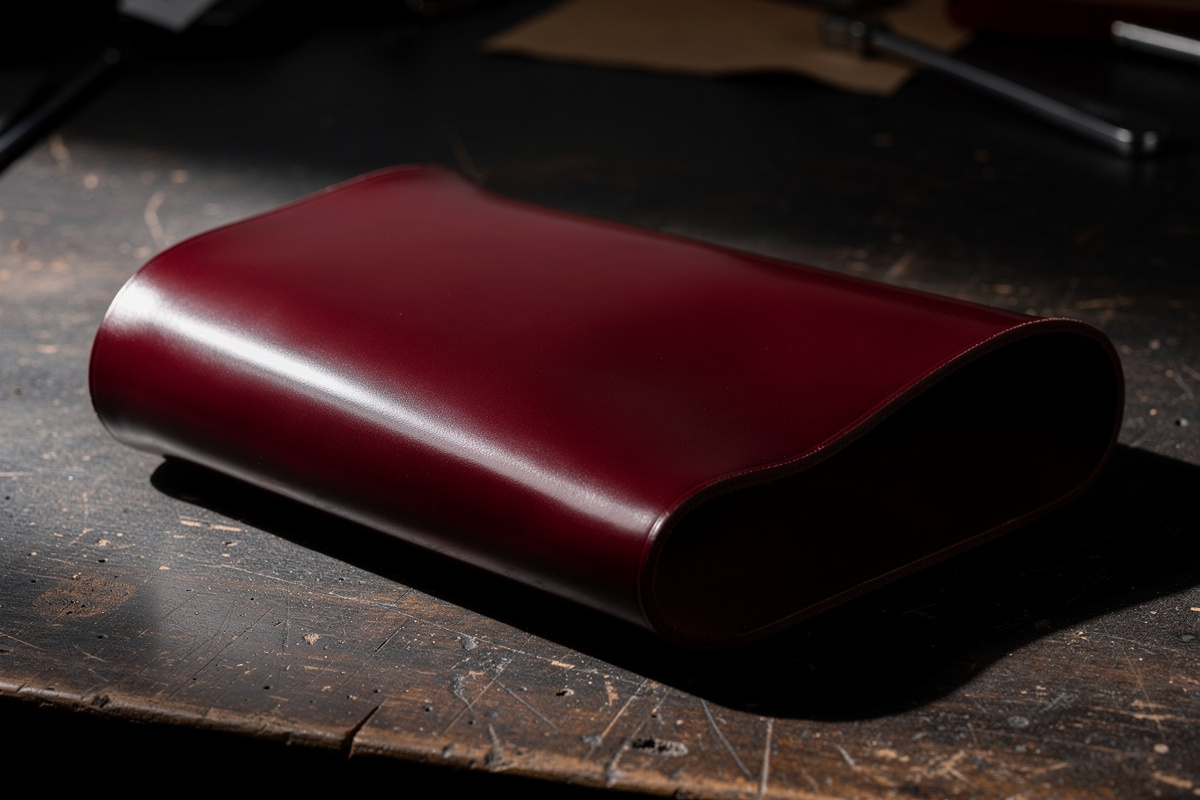
Shell cordovan is not a grain leather at all — it is a dense membrane from the horse’s hindquarters, and that single fact explains everything people love and…
Shell cordovan is not a grain leather at all — it is a dense membrane from the horse’s hindquarters, and that single fact explains everything people love and everything that frustrates them about it. It does not crease, it does not really patina the way veg-tan does, and it costs a fortune. I do not work it often — it is a specialist material and I will be honest about where my hands-on ends and where I am relaying what cordovan makers report — but I have cut, stitched and finished enough of it to tell you what it is actually like on the bench versus the marketing mythology.
This guide covers what shell cordovan really is, why it behaves so differently from the calf and steerhide you are used to, what it is worth for, and the handful of things that go wrong when you treat it like ordinary leather.
What shell cordovan actually is
“Shell” refers to two oval sections of dense connective tissue (the shell) that sit beneath the hide on a horse’s rump. It is not the grain surface — the grain is split away — and the usable leather is the tightly-packed fibrous layer underneath. There are only two shells per horse, each roughly the size of a dinner plate, which is the first reason cordovan is expensive: the yield per animal is tiny.
The second reason is time. Traditional shell cordovan is vegetable-tanned and hot-stuffed with oils and greases over a process that runs for months — the often-cited figure is around six months at the houses that still do it the old way. Slow tanning plus minuscule yield plus hand finishing is why a pair of shells costs what a whole side of veg-tan steerhide does.
Why it behaves so differently
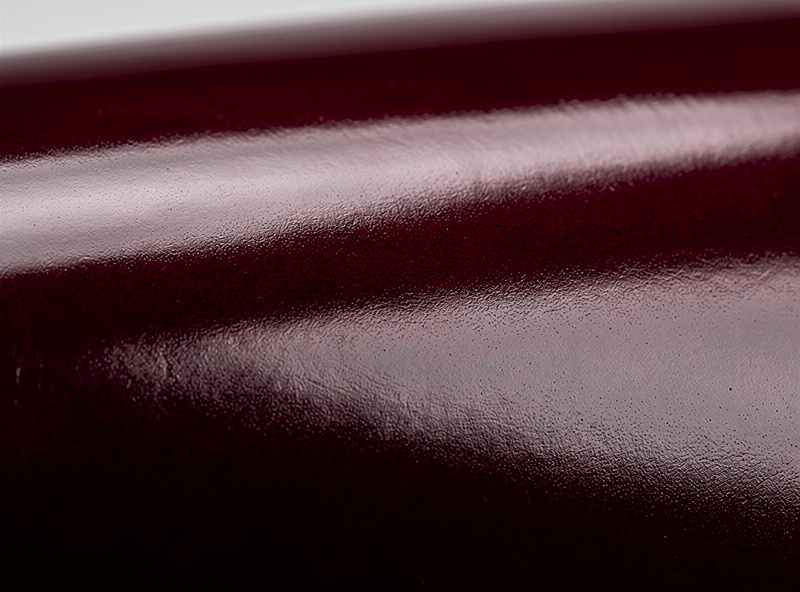
The dense, non-grain fiber structure is what makes cordovan cordovan. Because there is no grain layer with pores and a corium beneath it, the leather does not fold and crack along crease lines the way grain leather does. Instead it rolls — flex it and you get rounded, rolling ripples rather than the sharp crease-and-crack you see on calf. That is the famous “cordovan doesn’t crease” claim, and it is mostly true: it rolls instead of creasing, which on a shoe vamp reads as far cleaner aging.
The same density gives it that deep, almost liquid luster when polished — light reflects off a very smooth, tightly-packed surface rather than scattering off grain texture. It also makes it heavy, water-resistant once finished, and extremely durable. The trade-offs are the flip side of the same coin: it is stiff, it does not break in soft, and it is unforgiving of mistakes because you cannot sand or correct the surface the way you can on grain leather.
Shell cordovan vs calf: the honest comparison
Most people meet cordovan as a shoe leather and compare it to calfskin. Here is how they actually differ as materials.
| Property | Shell Cordovan | Calfskin (grain) |
|---|---|---|
| What it is | Dense sub-hide membrane (no grain) | Grain leather from young cattle |
| Creasing | Rolls in soft ripples | Creases, can crack over time |
| Luster | Deep, glassy, almost liquid | Bright but more surface shine |
| Stiffness | Stiff, little break-in | Supple, breaks in soft |
| Water resistance | High once finished | Moderate |
| Yield per animal | 2 small shells | A full hide |
| Cost | Very high | Moderate |
| Repairability of surface | Poor — can’t sand the surface | Better — can be reworked |
Neither wins outright. Cordovan is the durability-and-luster choice that ages by rolling rather than cracking; calf is the supple, refined, more forgiving and far more affordable choice. For a watch strap or a small accessory where the rolling flex and luster shine, cordovan is genuinely special. For a wallet interior or anything that needs to fold tight and stay slim, calf or veg-tan is the smarter material.
Working cordovan at the bench — what I’ve found
The things I have learned cutting and stitching it, with the caveat that I am a generalist maker here, not a dedicated cordovan house:
- It is dense and hard on edges. Knives and punches need to be genuinely sharp — a dull blade crushes rather than cuts, and the density dulls edges fast. I strop more often when working shell.
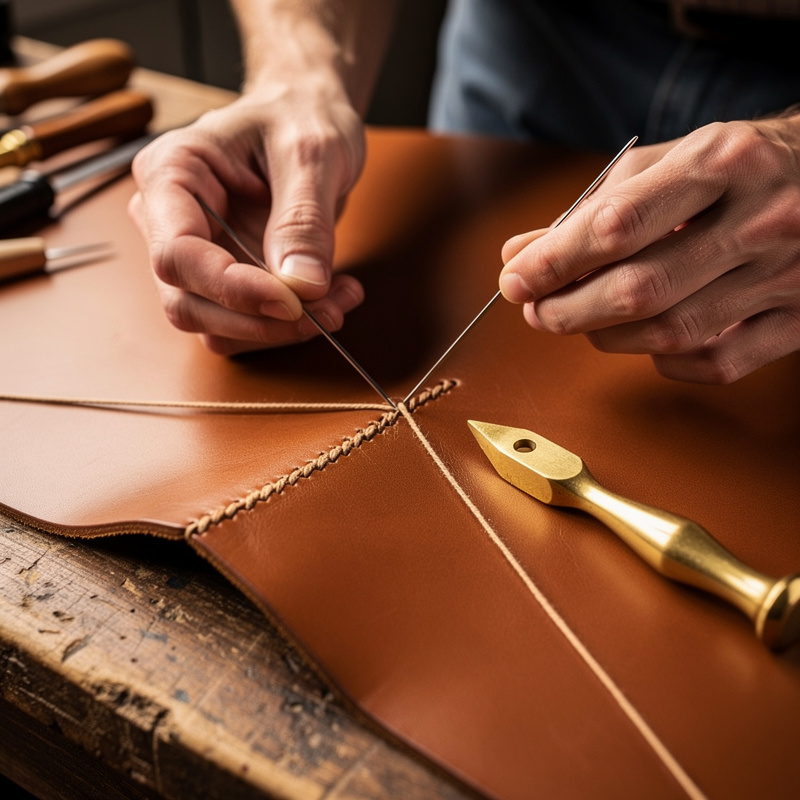
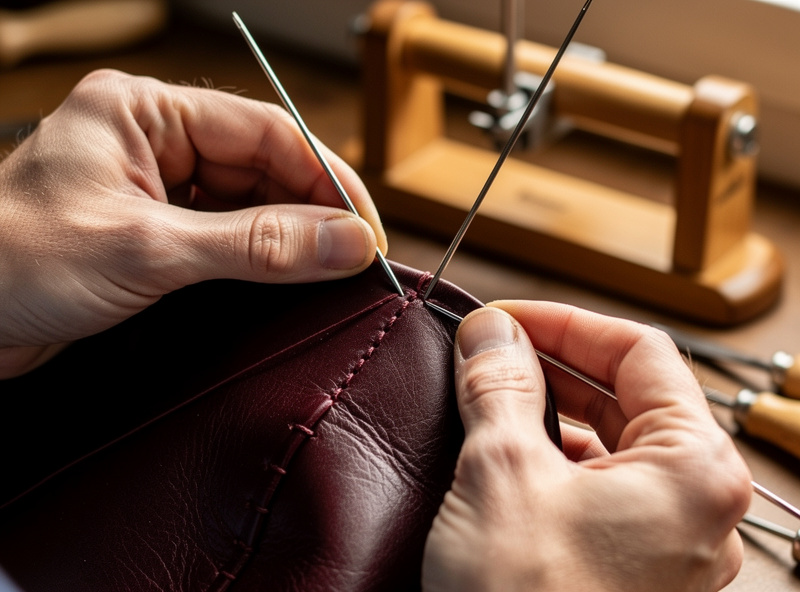
- Stitch holes want care. Because the leather is stiff and dense, I pierce cleanly with a sharp awl and avoid over-punching; the material does not forgive a wandering stitch line because you cannot easily hide it.
- Edges finish, but differently. The dense fiber takes a burnish, but it is its own animal — many cordovan makers finish edges with edge paint or a careful burnish rather than expecting a veg-tan-style slicked edge.
- Conditioning is minimal. Shell is heavily stuffed in tanning; it wants very little. Cordovan owners and makers generally report a light cream and a lot of brushing, not heavy oiling, and warn that over-conditioning can cloud the surface.
What cordovan is actually worth making
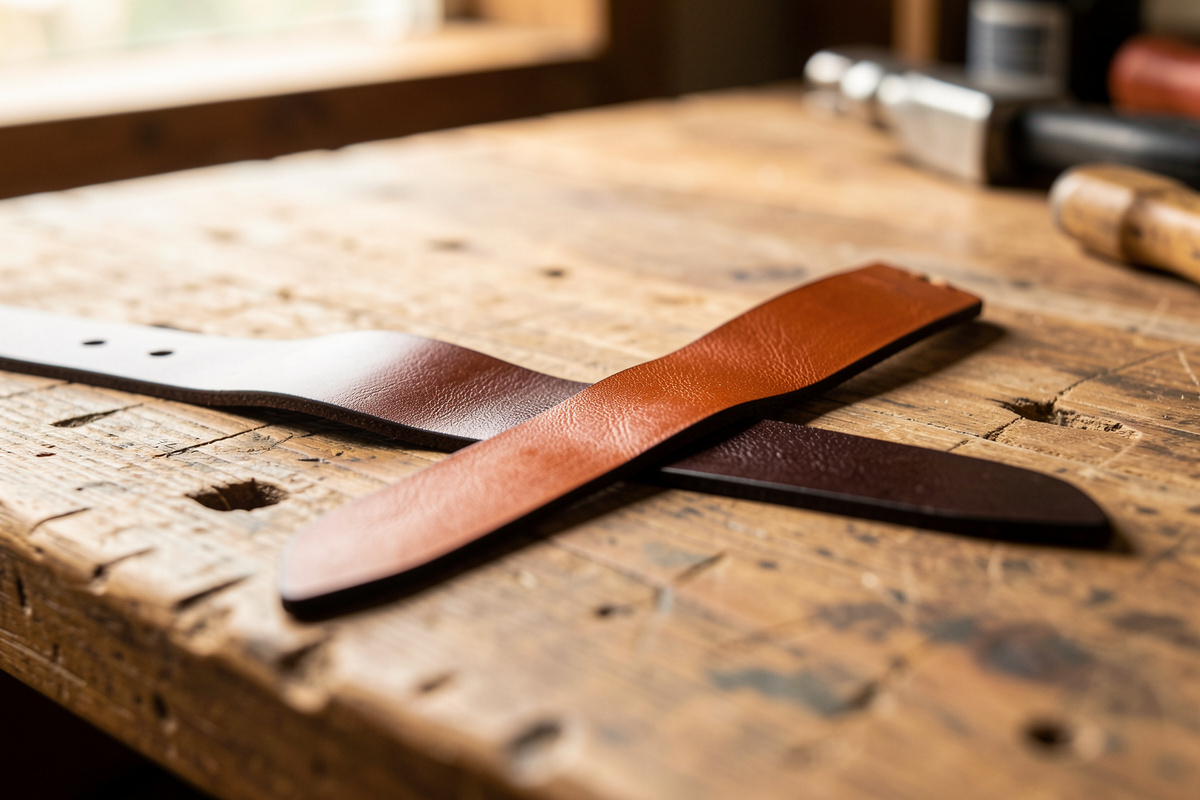
Because shell is expensive, stiff, and comes in small pieces, it shines on small, flat, flexing goods and is a poor choice for big structured ones. The projects where I think it genuinely earns its price: watch straps, where the rolling flex and luster are on display every day and the small size suits the limited shell area; card holders and slim cardcases that benefit from the durability without needing to fold tight; belts cut from a single strip where the no-crack toughness pays off; and of course footwear, which is cordovan’s natural home. Where I would not spend it: a tri-fold wallet that has to bend double (the stiffness fights you and the rolling flex bulks up), large bag panels (the shell is too small and the cost absurd), or anything tooled or stamped, since the dense non-grain surface does not take impressions like cased veg-tan. Match the material to a project that uses its strengths and it is worth every krona; force it into the wrong job and you have paid a premium to make something harder than it needed to be.
The “cordovan bloom” and other quirks
One thing that alarms new owners: cordovan can develop a whitish “bloom” — a haze of the waxes and oils migrating to the surface, especially in cold or after disuse. It is not mold and it is not damage; brushing it back with a horsehair brush or buffing with a soft cloth clears it and often deepens the shine. This is the kind of thing that gets cordovan a reputation for being “high maintenance” when really it just wants brushing instead of product.
The other quirk is that genuine shell is sometimes confused with “cordovan-color” calf or “cordovan finish” leathers that are simply dyed that burgundy-brown shade. If a leather is affordable and described as cordovan, it is almost certainly a color name, not shell. Real shell cordovan is sold by the shell, priced accordingly, and named by the tannery.
Care kit for shell cordovan
Cordovan rewards restraint — brushing does most of the work and product does very little.
Disclosure: LeatherCraftHaven is reader-supported. As an Amazon Associate I earn from qualifying purchases made through links in this article, at no extra cost to you. I only point to gear I actually use or would buy for my own bench.
The single most useful tool is a good horsehair brush for clearing bloom and bringing up the luster, paired with a soft cloth. For the rare conditioning a shell wants, a small tin of a neutral cordovan-safe leather cream used very sparingly is the standard answer cordovan owners reach for instead of heavy oils.
Where shell cordovan fits among leather types
Cordovan is the outlier — a non-grain membrane that does not fit the usual tannage-grade-weight grid cleanly. For the standard grain leathers it gets compared against, my full grain vs top grain breakdown covers the grain side, the chrome tan vs veg tan guide explains the veg tannage cordovan is built on, and the types of leather overview places it among the rest.
Frequently Asked Questions
What is shell cordovan leather?
It is leather made from the shell — two oval sections of dense connective tissue beneath the hide on a horse’s hindquarters. The grain is split away and the usable material is the tight fibrous layer underneath, which is why cordovan has no real grain and that deep glassy luster. There are only two small shells per horse, which is part of why it is so expensive.
Why is shell cordovan so expensive?
Three reasons stack up: tiny yield (only two dinner-plate-sized shells per horse), very slow tanning (traditional shell is vegetable-tanned and hot-stuffed over roughly six months), and hand finishing. Small yield plus months of processing plus skilled labor is why a pair of shells can cost what a whole side of veg-tan steerhide does.
Does shell cordovan really not crease?
It rolls instead of creasing. Because there is no grain layer to fold and crack, flexing cordovan produces rounded rolling ripples rather than the sharp crease-and-crack of calf. So the popular no-crease claim is mostly true in practice, which is why cordovan shoes and straps age so cleanly compared to grain leather.
What is the white bloom on cordovan?
It is waxes and oils from the tanning migrating to the surface, often in cold weather or after the leather sits unused. It is not mold or damage — brush it back with a horsehair brush or buff with a soft cloth and it clears, usually deepening the shine. Cordovan generally wants brushing rather than product.
How do you tell real shell cordovan from cordovan-colored leather?
Price and how it is sold. Genuine shell is sold by the shell, priced very high, and named by the tannery; cordovan-color or cordovan-finish leathers are just grain leather dyed that burgundy-brown shade. If a leather is affordable and simply called cordovan, it is almost certainly a color name, not actual shell.
Related Guides
- Types of Leather: Tannage, Grade and Weight
- Full Grain vs Top Grain Leather
- Chrome Tan vs Veg Tan Leather
- Pull-Up Leather Patina Guide