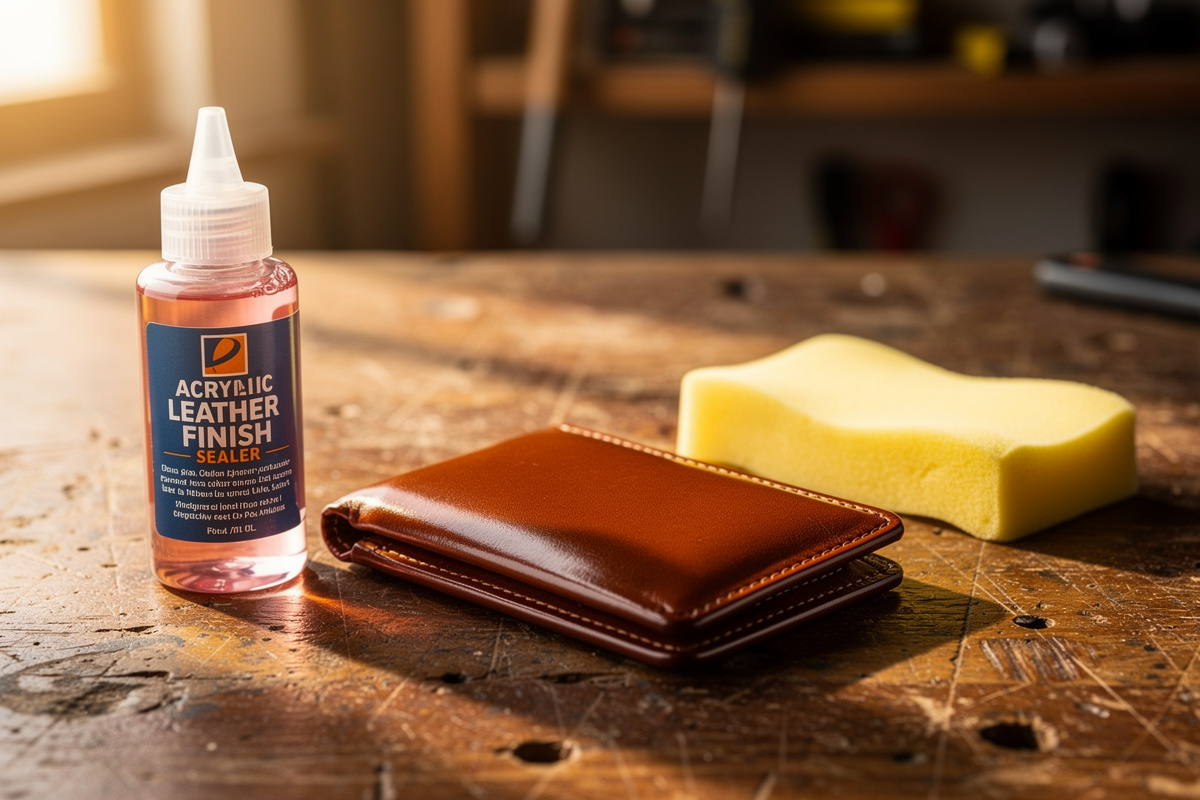
Resolene is an acrylic resin topcoat that seals leather dye, stops color rub-off, and adds real water resistance with a light satin sheen. The trick is to thin…
Resolene is an acrylic resin topcoat that seals leather dye, stops color rub-off, and adds real water resistance with a light satin sheen. The trick is to thin it roughly 50/50 with water and apply two or three thin coats rather than one heavy one — thinned, thin coats avoid the cloudy streaks and plasticky build that ruin a resolene finish. Let the dye fully dry and buff it first.
Resolene is the finish that makes a dye job permanent, and it is also the finish most people apply wrong on the first go — straight from the bottle, too thick, over dye that was still damp, and they end up with a cloudy, streaky, plastic-feeling surface. Used right, it is a tough, water-resistant, barely-there topcoat that locks your color for years. I seal almost every dyed piece with it, and this is how to get it clean. It sits under the complete leather dyeing guide as the last step in the stack.
What Resolene Is and What It Does
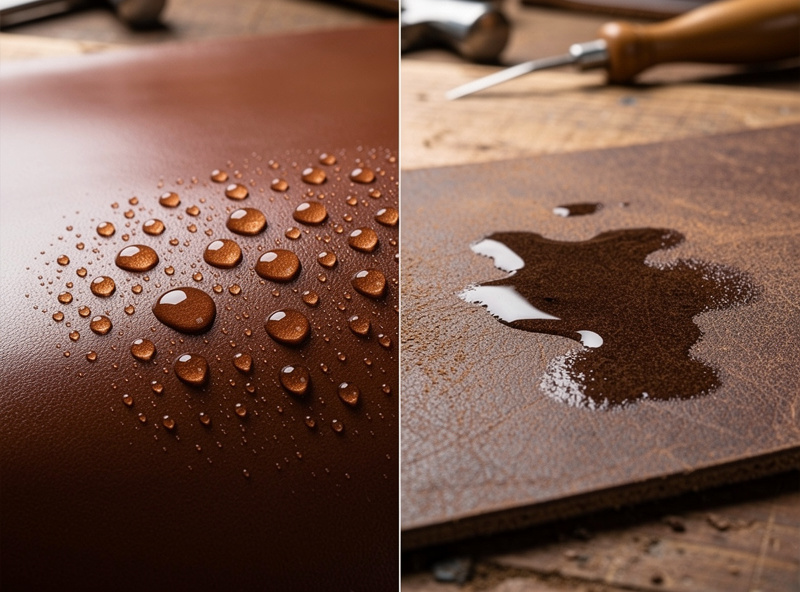
Resolene (Fiebing’s Acrylic Resolene) is a clear, flexible acrylic finish that forms a thin protective film over dyed or natural leather. It does three jobs: it seals the dye so it stops crocking onto hands and clothing, it adds genuine water resistance, and it gives a low satin-to-gloss sheen. It is the most water-resistant of the common hand-applied leather topcoats.
Where a wax or oil finish soaks in and protects from within, resolene cures into an actual film on the surface — that is why it beads water and locks pigment better than the softer finishes. It stays flexible enough to live on a belt or strap that bends, and it is clear enough not to change your color, only to deepen and slightly gloss it. The film is the feature and also the catch: applied too thick it looks plastic and can crack at hard flex points, and applied carelessly it goes cloudy. So resolene rewards a light touch. It is the sealer I reach for whenever a piece will see weather, sweat, or handling — and the one I skip in favor of a wax or matte finish when I want a softer, more natural hand. For sealing edges specifically, the finish stack is covered in the edge finishing guide.
Always Thin It: The 50/50 Rule
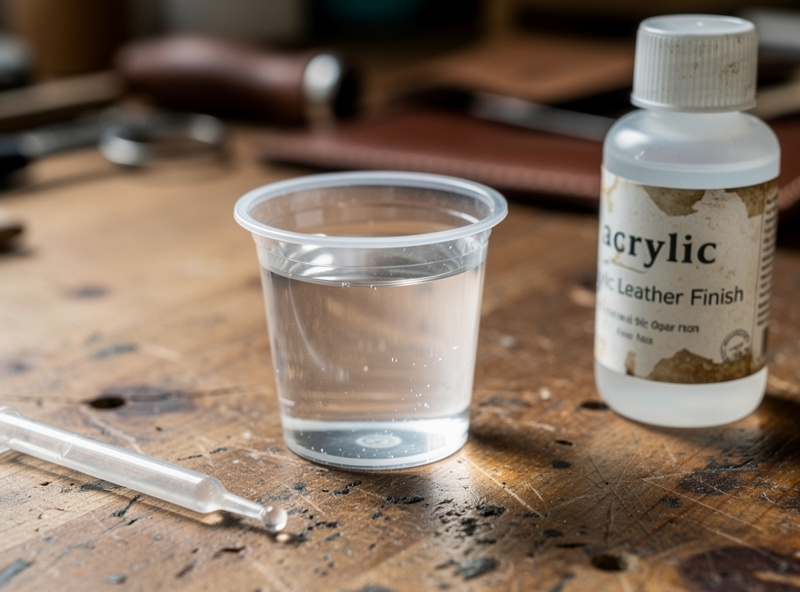
Thin resolene roughly 50/50 with clean water before applying. Straight from the bottle it goes on too heavy, dries cloudy and streaky, and builds a plasticky film fast. Cutting it in half with water lets it flow out evenly, dry clear, and build in controllable thin layers. This single step prevents the most common resolene failures.
Out of the bottle resolene is thick enough that the applicator drags, leaving lap lines and a milky haze where it pooled. Water thins it so it self-levels and dries to a clear even film. Fifty-fifty is the standard starting point; some makers go a touch lighter on the water for more build per coat, or heavier for a more invisible matte result. Mix only what you need in a separate cup — do not water down the whole bottle — and stir, do not shake, to avoid foaming bubbles into the finish. Thinned resolene also airbrushes beautifully if you want the most invisible possible seal. The mantra is the same as with dye itself: thin and even beats thick and fast, every time, a principle that runs through the whole streak-free dyeing approach.
How to Apply Resolene Coats
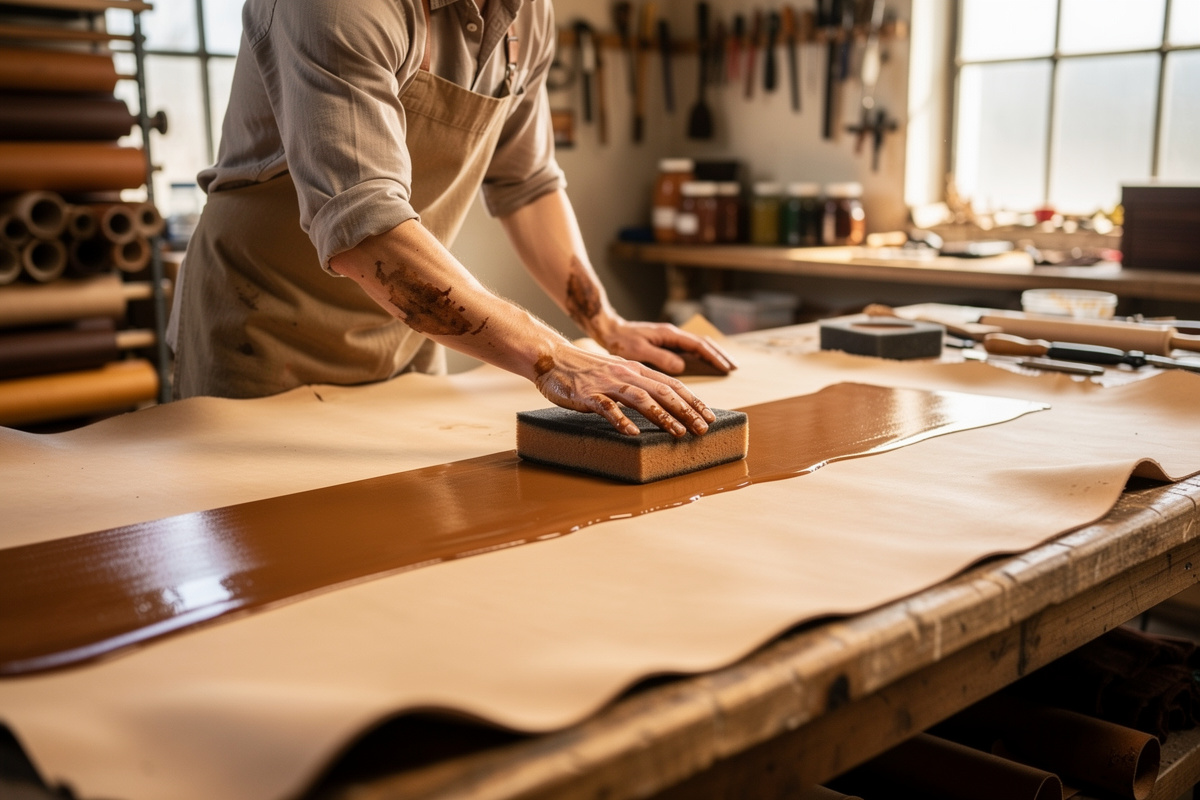
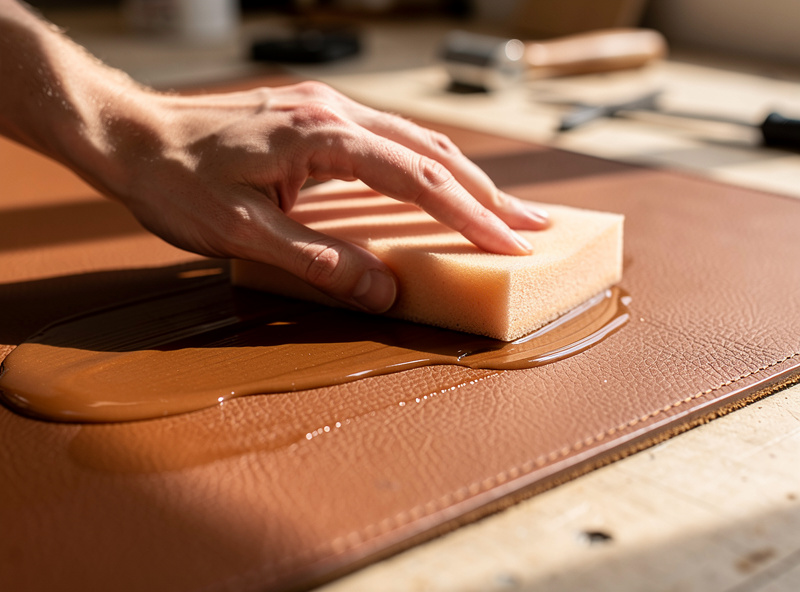
Apply thinned resolene in two to three thin coats with a damp sponge, wool dauber, or airbrush, using long even strokes and letting each coat dry 20 to 30 minutes before the next. Work over fully dried, buffed dye so you are not dragging loose pigment around. Do not overwork a coat — lay it down and leave it, because going back over a tacky area lifts and clouds it.
Start by buffing the cured dye to lift loose pigment, then lay your first thin coat in one direction with smooth overlapping passes, keeping a wet edge so you never restart on a dried patch. Let it flash off, then put the second coat down crossing the first direction, which evens out any light streaking. Two coats seals most pieces; a third adds water resistance and sheen for items that will see real weather. A sponge gives the most even hand-applied result on flat panels; a dauber works for small pieces and edges; an airbrush gives the most invisible film of all. The cardinal sin is fussing a coat while it is setting up — resolene grabs fast, so one confident pass and walk away. Between coats, keep dust off the surface, because anything that lands in a wet acrylic coat is locked in for good.
Cloudy, Streaky, or Plasticky: The Fixes
Cloudiness comes from applying resolene too thick, over damp dye, or in cold humid conditions; streaks come from overworking a setting coat; a plasticky feel comes from too many coats. The fixes are: always thin 50/50, always let dye dry fully and buff first, apply thin and walk away, and stop at two or three coats. Most resolene complaints trace back to one of these.
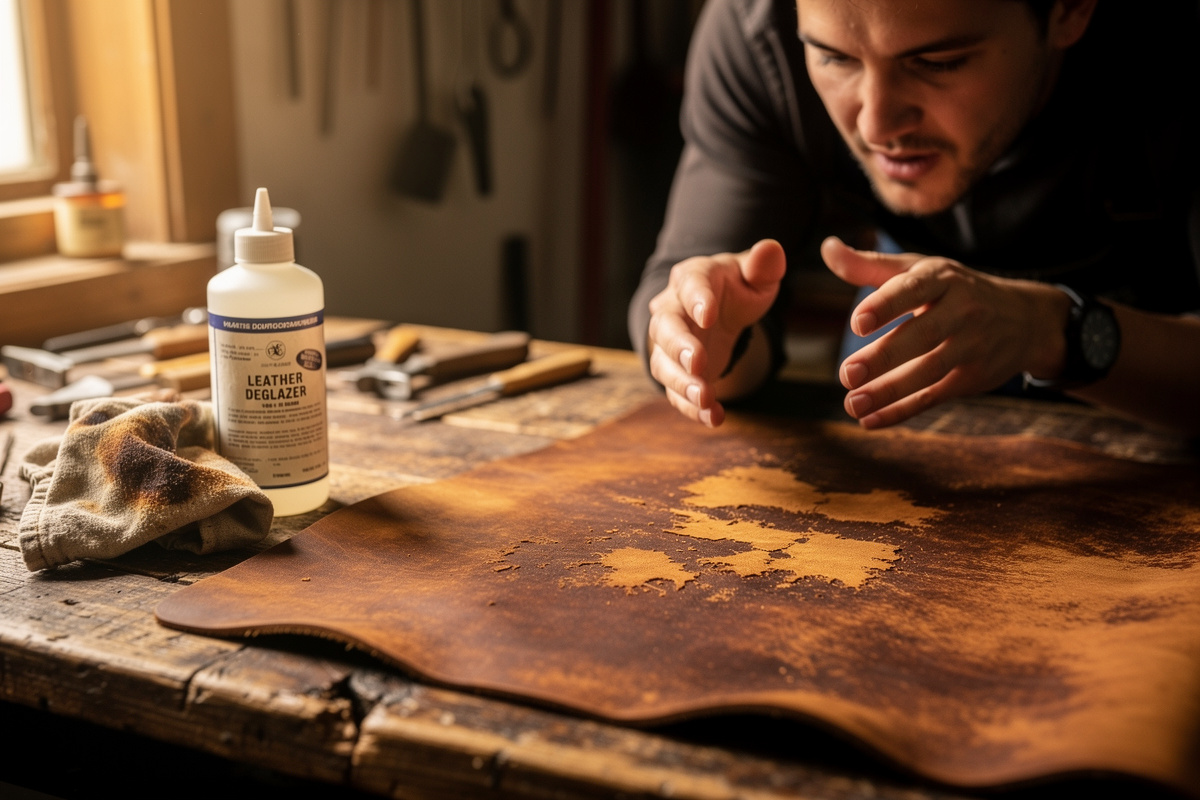
If a finish dries cloudy, the usual culprit is a coat that went on too heavy or over dye that had not fully cured — the trapped moisture or solvent hazes the acrylic. A light coat of thinned resolene over the top can sometimes re-flow and clear a mild haze; a bad one means deglazing the finish off and starting the sealing over. Streaks almost always mean you went back over a tacky coat, so resist the urge to touch up and instead fix it with the next full thin coat. A surface that feels like plastic or starts to crack at a fold has simply too much film — fewer, thinner coats next time, and on hard-flexing pieces consider a softer finish entirely. Cold and humid air also fights acrylic, so seal in a warm dry space when you can.
Resolene vs Other Leather Topcoats
Resolene is one option in the finish drawer, not the only one. Here is how it compares to the other common sealers so you can match the finish to the piece.
| Finish | Type | Sheen | Water resistance | Feel | Best for |
|---|---|---|---|---|---|
| Acrylic Resolene | Acrylic film | Satin to gloss | High | Slight film | Weather, sweat, dye sealing |
| Tan-Kote | Resin/solvent | Soft satin | Moderate | Natural, smooth | Dress pieces, slick finish |
| Bag Kote | Wax/resin | Low matte | Moderate | Natural, dry | Bags, matte natural look |
| Carnauba creme | Wax | Low to medium | Low-moderate | Waxy, warm | Hand-feel, conditioning sheen |
| Sno-Seal / wax | Beeswax | Matte | Very high | Heavy, dull | Rugged outdoor gear, boots |
For a glossy, water-resistant seal that locks dye, resolene wins; for a soft natural hand on a dress wallet, Tan-Kote or a wax finish reads better. They are not rivals so much as different tools — I keep resolene and a wax finish on the shelf and pick by what the piece needs.
Disclosure: LeatherCraftHaven is reader-supported. As an Amazon Associate I earn from qualifying purchases made through links in this article, at no extra cost to you. I only point to gear I actually use or would buy for my own bench.
What You Need to Seal With Resolene
Sealing is cheap and the gear list is short — the finish, something to thin it into, and a clean applicator. The same resolene also doubles as a resist for antiquing, so one bottle does two jobs.
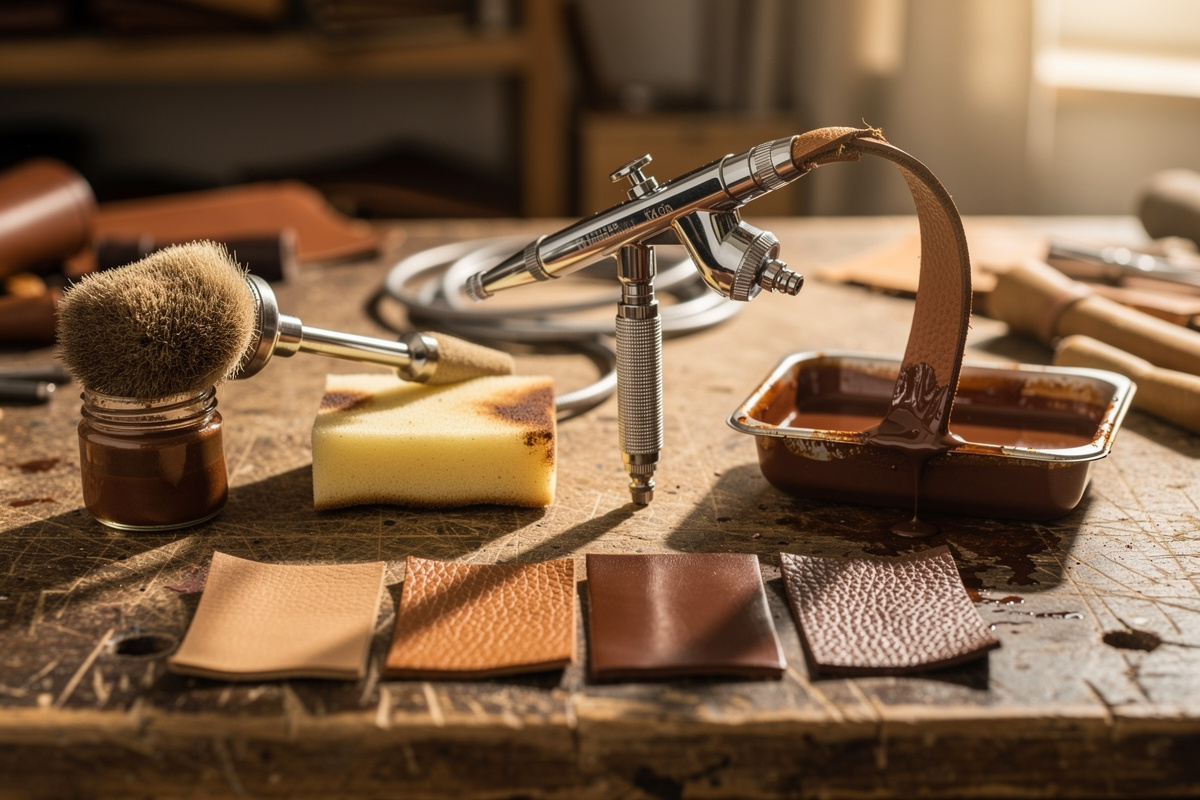
Get a bottle of acrylic resolene finish and a few small mixing cups to thin it 50/50. Apply it with dense fine-pore sponges on panels or wool daubers for small pieces and edges. Resolene is the last step over dye, so make sure the color underneath is right first — the best leather dye for veg-tan roundup covers the bottles, and if you are sealing an antiqued piece, the antique finish guide uses the same resolene as both resist and topcoat.
Frequently Asked Questions
What is Resolene used for on leather?
Resolene is an acrylic topcoat that seals leather dye so it stops rubbing off, adds water resistance, and gives a light satin to gloss sheen. It is the most water-resistant of the common hand-applied leather finishes and the standard sealer over a dyed piece.
Should you thin Resolene with water?
Yes. Thin it roughly 50/50 with clean water before applying. Straight from the bottle it goes on too heavy, dries cloudy and streaky, and builds a plasticky film. Thinned, it flows out evenly, dries clear, and builds in controllable thin layers.
How many coats of Resolene do you need?
Two thin coats seal most pieces. Add a third for items that will see real weather, since each coat adds water resistance and sheen. Stop at two or three, because too many coats build a plasticky film that can crack at flex points.
Why is my Resolene cloudy or streaky?
Cloudiness comes from applying it too thick, over damp dye, or in cold humid air. Streaks come from overworking a coat as it sets. Thin it 50/50, let the dye dry fully and buff first, apply thin coats, and walk away instead of touching up a tacky surface.
Is Resolene waterproof?
It is highly water resistant rather than fully waterproof. Two to three coats will bead water and protect against rain and sweat, but for rugged outdoor gear a heavy beeswax finish like Sno-Seal gives more total water protection at the cost of a duller, waxier look.
Do you have to seal leather after dyeing?
For any piece that will be handled, worn, or exposed to moisture, yes. Unsealed dye crocks onto skin and clothing. Resolene locks the color and adds water resistance. Let the dye dry fully and buff off loose pigment before sealing.
Can you use Resolene as a resist for antiquing?
Yes. Applied before an antique paste, resolene seals the surface so the antique wipes off the high spots and stays only in the tooling cuts. The same bottle then doubles as the final topcoat once the antique is wiped and cured, sealing the whole piece.
Related Articles
- Leather Dyeing: The Complete Veg-Tan Guide
- How to Antique Leather: Aged Finish, Resist Control
- How to Dye Leather Without Streaks or Blotches
- Leather Edge Finishing: The Bevel-to-Burnish Guide
- Best Leather Dye for Veg-Tan: 8 Brands Tested