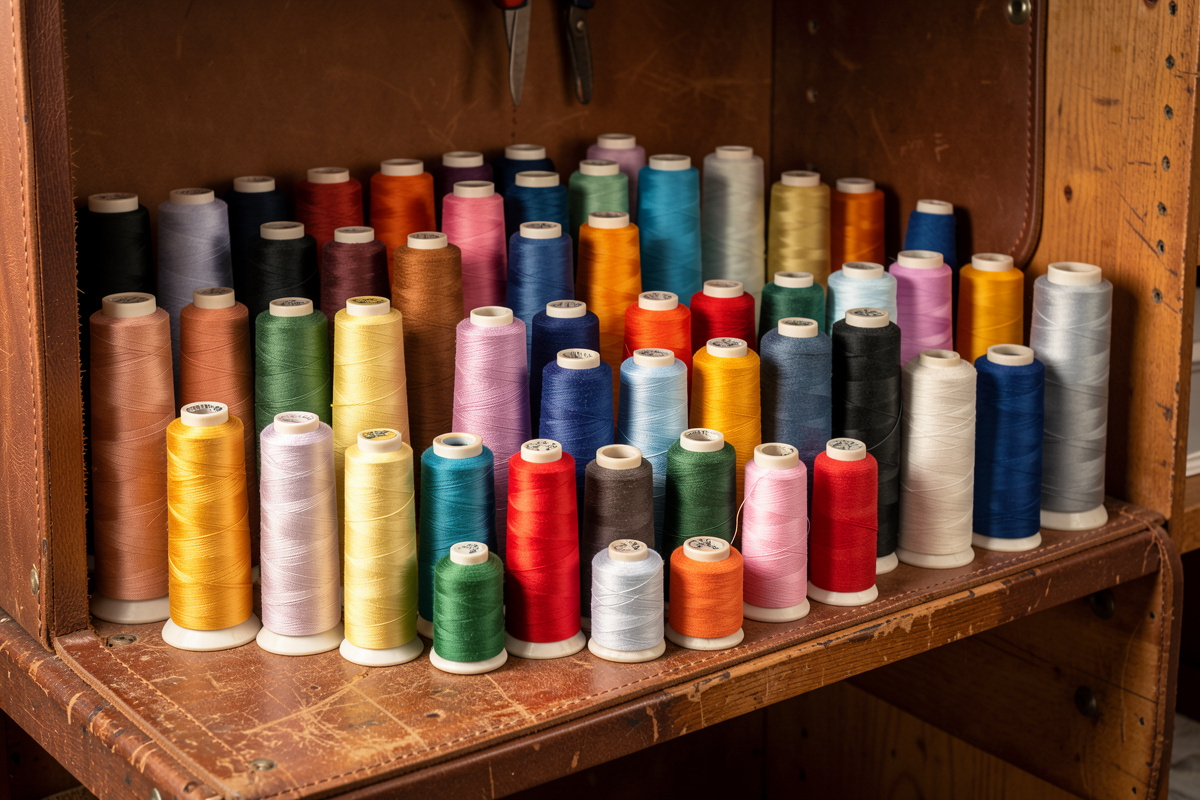
The right thread for sewing leather on a machine is bonded nylon or bonded polyester, sized in the Tex or V system and matched to your machine’s ceiling…
The right thread for sewing leather on a machine is bonded nylon or bonded polyester, sized in the Tex or V system and matched to your machine’s ceiling and needle. Tex 70 (V69) for wallets and fine work, Tex 135 (V138) for bags and general goods, Tex 207 (V207) and up for belts — never the waxed hand-stitch thread, which gums up a machine’s tension.
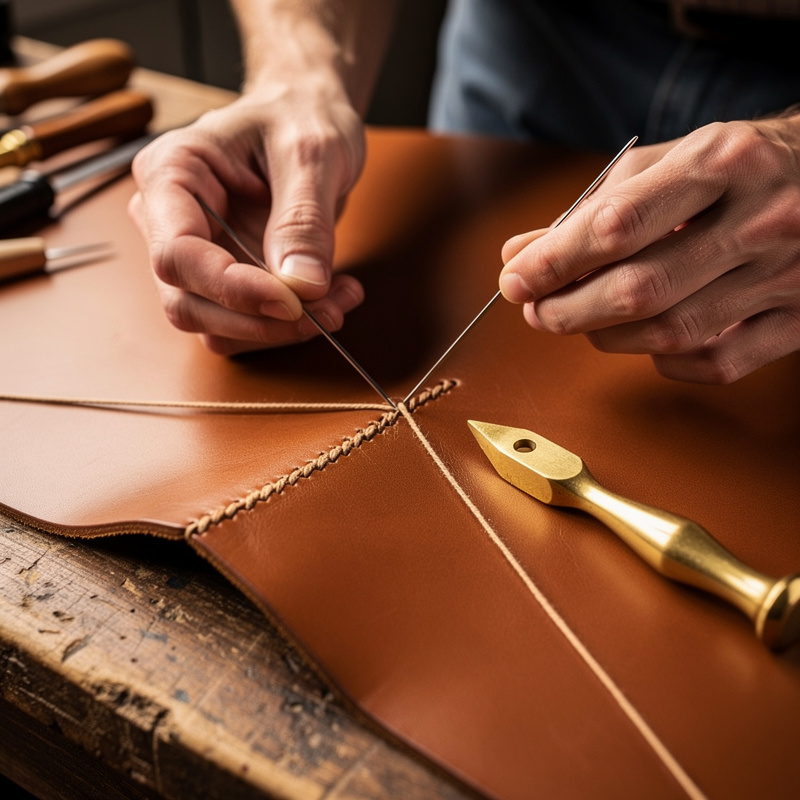
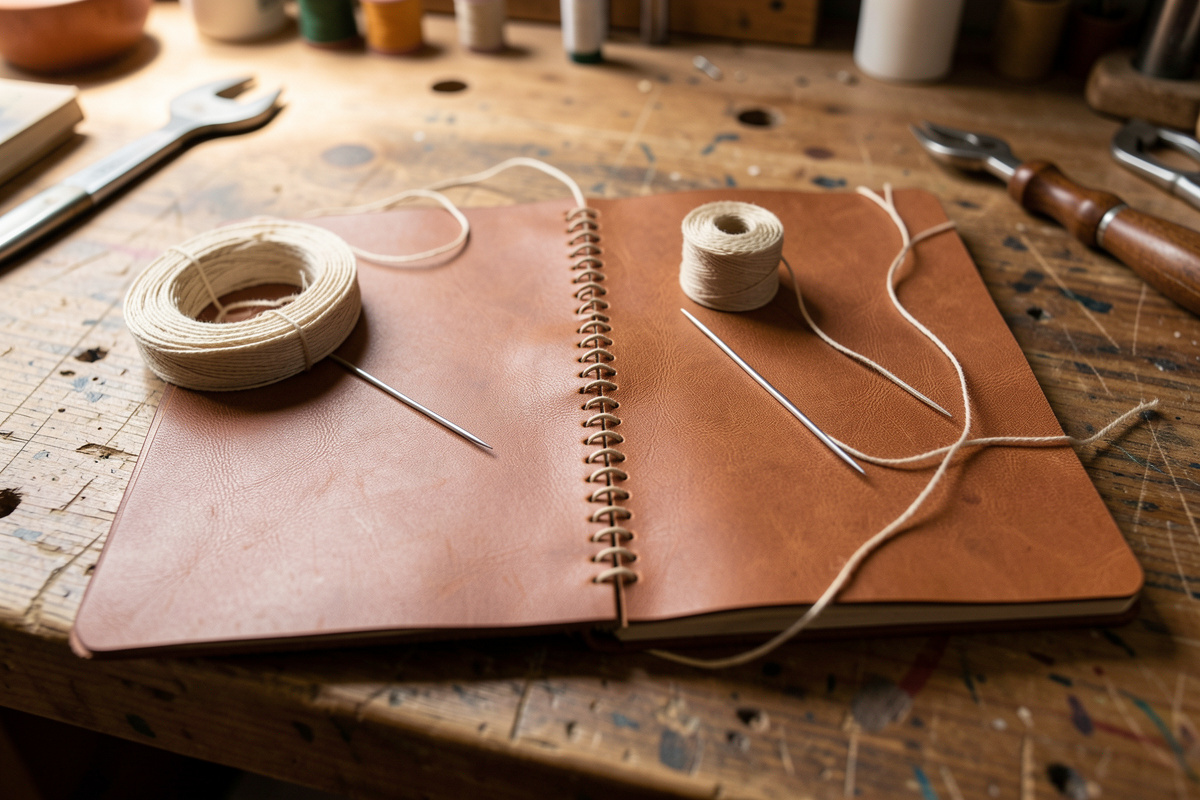
I wax my own linen and use Ritza Tiger thread for hand saddle stitching, but a machine is a completely different animal: it wants smooth bonded thread that feeds through tension discs and a bobbin without dragging. Pick the wrong thread and even a perfectly set-up machine skips, jams, or lays an ugly seam. This guide covers nylon versus polyester, the Tex sizing chart, and how to match thread to your needle and machine — the thread companion to the main sewing machine for leather guide.
Why Bonded Thread, and Nothing Else
Machine leather sewing uses bonded thread — continuous-filament nylon or polyester with a bonding agent that glues the plies together so the thread stays smooth and round as it whips through the machine. Ordinary all-purpose cotton or spun polyester is too weak and too fuzzy; it frays in the needle eye and rots under the strain a leather seam puts on it.
Just as important: do not run the waxed thread you use for hand stitching through a machine. The wax that helps a hand saddle stitch grip is exactly what clogs the tension discs, builds up on the bobbin case, and throws your tension off within a few feet. Bonded thread has a light lubricant finish instead of a wax coat, so it feeds clean. If you do both hand and machine work, keep two separate thread stashes — the hand side is covered in best thread for leather stitching — and never cross them over.
Bonded Nylon vs Bonded Polyester
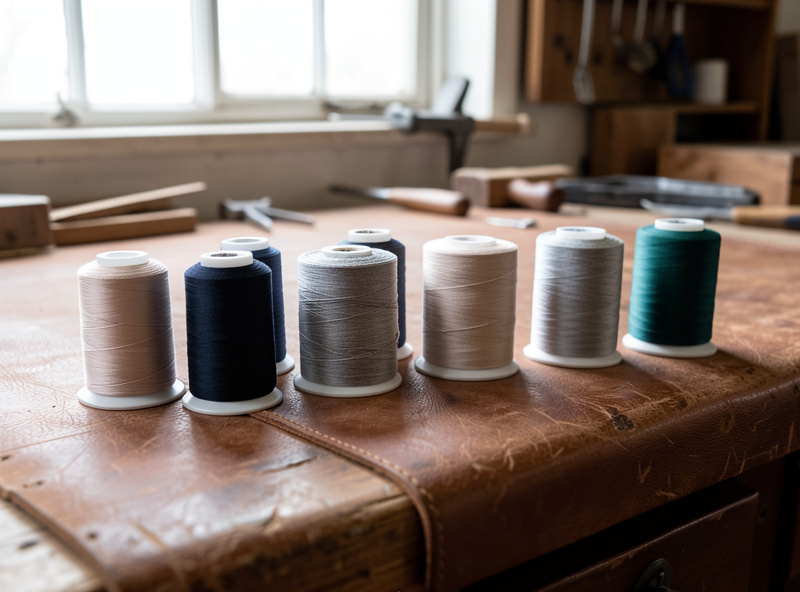
Both bonded nylon and bonded polyester sew leather beautifully; the difference that matters is UV and weather resistance. Polyester holds its strength and color far better in sunlight and damp, so it’s the right choice for anything that lives outdoors — bags, sheaths, dog collars, outdoor gear. Nylon is marginally stronger and a touch glossier, which makes it a fine pick for indoor goods.
In practice I’d default to bonded polyester for almost everything, because so much leatherwork ends up seeing sun and rain, and the strength gap with nylon is small enough not to matter for hand-sized goods. Reserve nylon for indoor items where you want that extra sheen on a visible topstitch. Both come in the same Tex sizes and feed the same way, so switching between them needs no machine changes — only a tension check on a test scrap, because different finishes can sit slightly differently.
The Tex and V Sizing System
Thread size is given as a Tex number (the weight in grams of 1000 metres) or the related V number, and bigger means thicker. The size sets the look of your seam and is capped by what your machine can pull: a domestic tops out near Tex 70, a compound-feed industrial runs comfortably to Tex 207, and a 441-class machine pulls Tex 277 to 415 for that bold saddlery line.
| Tex size | V size | Best use | Machine class | Needle (Nm / US) |
|---|---|---|---|---|
| Tex 45 | V46 | Fine linings, delicate goods | Domestic | Nm 90 / 14 |
| Tex 70 | V69 | Wallets, card cases, fine small goods | Domestic / industrial | Nm 100–110 / 16–18 |
| Tex 135 | V138 | Bags, sheaths, general small goods | Industrial | Nm 125–140 / 20–22 |
| Tex 207 | V207 | Heavy bags, light belts, bold topstitch | Industrial | Nm 140–160 / 22–23 |
| Tex 277 | V277 | Belts, holsters, harness | 441-class | Nm 180 / 24 |
| Tex 346–415 | V346–415 | Heavy saddlery, thick stacked leather | 441-class | Nm 200–250 / 25–27 |
Matching Thread to Machine and Needle
Thread, needle, and machine are a single tuned chain, and the thread sits in the middle. Choose the thread size for the look you want and the strength the job needs, confirm your machine can pull it, then size the needle to the thread — not the other way round. A mismatch anywhere in that chain shows up as skipped stitches or a loose, lumpy seam.
The most common error is loading thread heavier than the machine can handle: a domestic simply cannot form a clean lockstitch with Tex 135, no matter how you fiddle the tension. The second is leaving the needle too small for the thread, which shreds it in the eye. Get the needle right using the leather sewing machine needles guide, and remember that whatever size you run on top, your bobbin should carry the same size for a balanced stitch. If you want a heavier-looking seam than your machine can pull, that’s a sign you’ve outgrown it — see best sewing machines for leather.
Top Thread, Bobbin, and Color
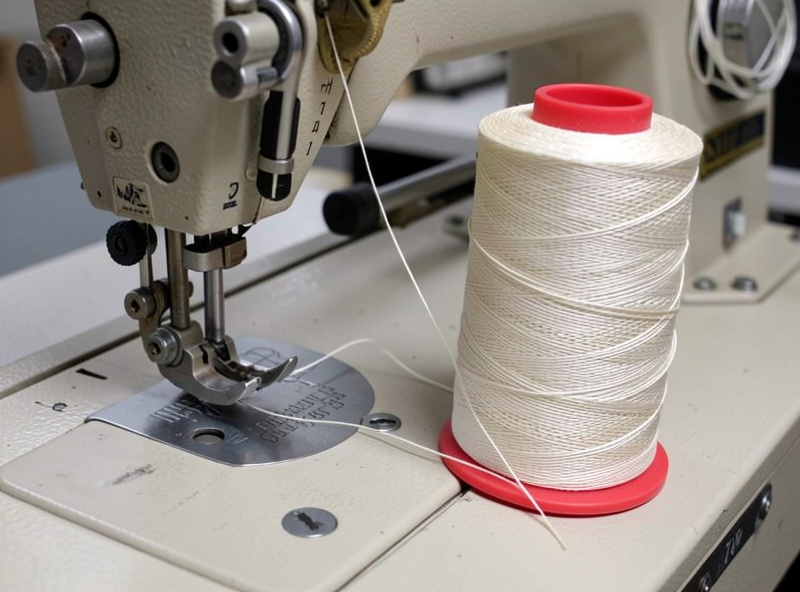
Run the same thread size top and bobbin so the lockstitch knot balances in the middle of the leather. Mixing a heavy top with a fine bobbin throws the knot off-centre and shows a loop on one face. Wind bobbins evenly and not too full, because an over-packed bobbin drags and tightens your bottom tension as it unwinds.
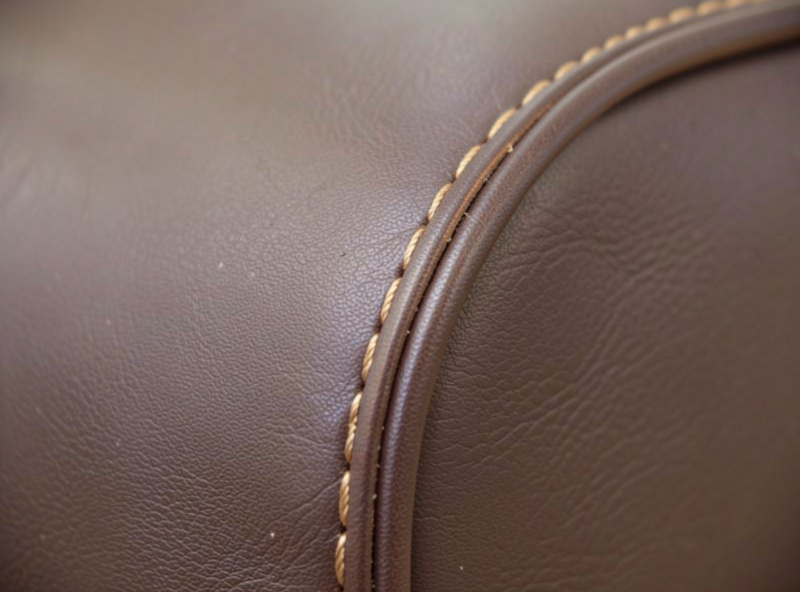
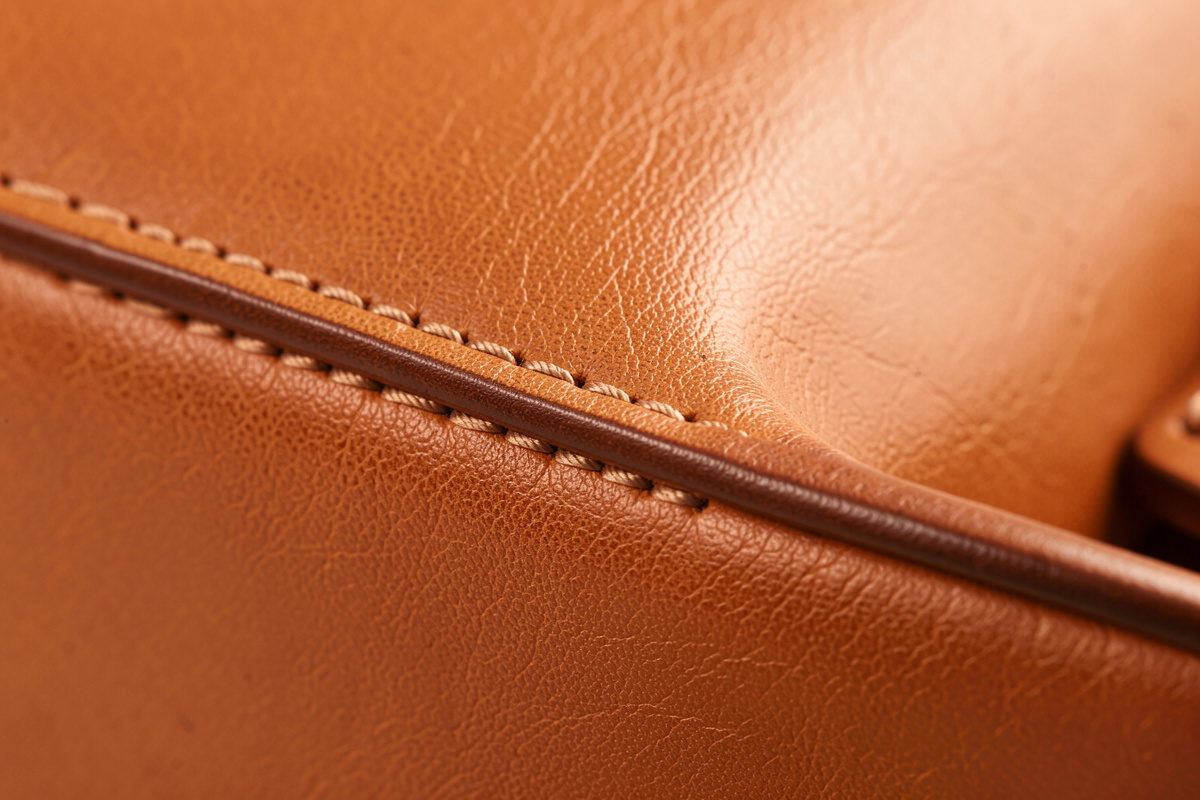
For color, bonded thread comes in a huge range, and a contrast topstitch is one of the cheapest ways to make a piece look intentional — a tan thread on dark brown leather, or a bold natural on black. Buy your two or three most-used sizes in black, dark brown, and a natural or tan, and add colors as projects call for them. Keep cones out of direct sun on the shelf, especially nylon, so the color you bought is the color you sew with months later.
As an Amazon Associate I earn from qualifying purchases. A starter set of bonded polyester thread in Tex 70 and Tex 138 in black, brown, and natural covers the great majority of small-goods and bag work.
Ticket Numbers and Other Sizing Confusion
You’ll occasionally see thread sold by a “ticket” number or a Government (Govt) size instead of Tex or V, and the systems run in opposite directions, which trips everyone up at least once. Ticket numbers get smaller as the thread gets thicker, so Tkt 40 is heavier than Tkt 80 — the reverse of the Tex system, where a bigger number means a bigger thread. When a listing only gives a ticket number, find the Tex equivalent before you buy.
The practical takeaway is to standardize on one system — Tex or V — and convert everything to it in your head, because mixing systems is how you end up with a cone two sizes off what you wanted. Strength tracks size in a roughly straight line: heavier thread holds more, but on hand-sized goods the limit is almost never the thread, it’s the leather tearing at the stitch line first. That’s why oversizing the thread past what the seam needs buys you nothing but a bulkier, harder-to-pull stitch — pick the size for the look and the machine, not for imaginary strength.
Frequently Asked Questions
What thread is best for sewing leather on a machine?
Bonded nylon or bonded polyester thread, sized in the Tex or V system. Use Tex 70 (V69) for wallets and fine goods, Tex 135 (V138) for bags and general work, and Tex 207 or heavier for belts. Polyester resists UV and weather better; nylon is slightly stronger and glossier.
Can I use hand-stitching thread in a sewing machine?
No. Waxed hand-stitching thread like Ritza Tiger clogs the machine’s tension discs and bobbin case, throwing your tension off within a few feet. Machines need bonded thread, which has a light lubricant finish instead of a wax coat so it feeds smoothly. Keep hand and machine thread separate.
What does Tex mean in thread sizing?
Tex is the weight in grams of 1000 metres of thread, so a higher Tex number means a thicker, stronger thread. Tex 70 is fine wallet-weight thread, Tex 135 is the everyday bag size, and Tex 207 and up are bold saddlery weights. The related V system runs V69, V138, V207, and so on.
Is bonded nylon or bonded polyester better for leather?
Polyester is better for anything that sees sun or weather because it resists UV and damp far better and holds its color. Nylon is marginally stronger and a little glossier, making it good for indoor goods. For most leatherwork, default to bonded polyester.
Should the bobbin thread match the top thread?
Yes. Run the same thread size in the bobbin as on top so the lockstitch knot balances in the middle of the leather. A heavy top with a fine bobbin pushes the knot off-centre and shows a loop on one face. Wind bobbins evenly and not over-full to keep bottom tension steady.
What size thread for a Cobra or Cowboy 441 machine?
A 441-class machine like the Cobra Class 4 or Cowboy CB4500 runs heavy thread from Tex 207 up to Tex 415 (V207 to V415), paired with Nm 140 to 250 needles. Tex 277 is a common all-round choice for belts and holsters, giving that bold, proud saddlery stitch the machine is built for.
Further Reading
- Sewing Machine for Leather: A Maker’s Complete Guide
- Leather Sewing Machine Needles Guide
- Best Thread for Leather Stitching (Hand)
- Leather Seam Finishing on a Machine