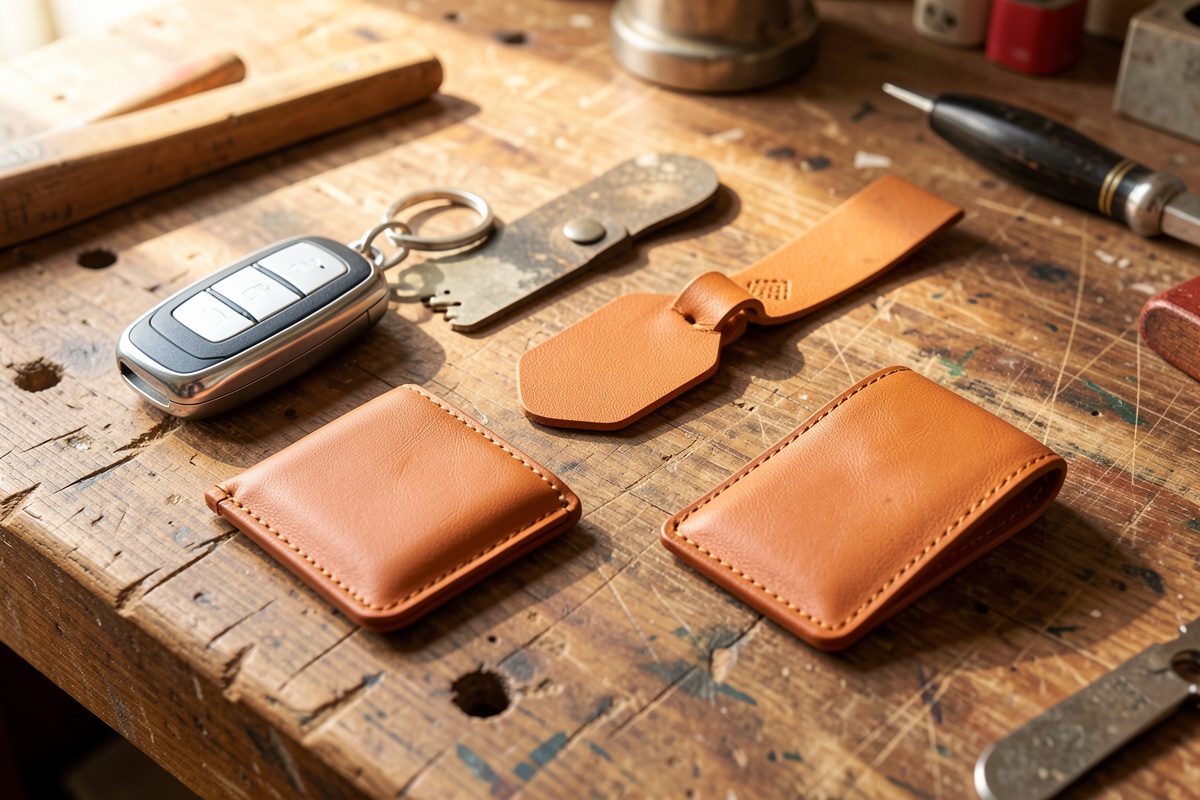
The fastest way to actually improve at leatherwork is to finish things, and a weekend is exactly enough time to finish a real, useful piece from cut to…
The fastest way to actually improve at leatherwork is to finish things, and a weekend is exactly enough time to finish a real, useful piece from cut to slicked edge. Not a months-long bag with twenty internal pockets, but a key fob, a card sleeve, a luggage tag, a simple cuff, a coaster set, a bookmark, a notebook cover. Each one teaches a full cycle of the core skills in a couple of sessions, and you end the weekend holding something you made rather than a half-finished project that quietly migrates to a drawer.
This is a different list from the usual “first projects” lineup, because the constraint here is time, not just difficulty. These are the pieces I reach for when I have a free Saturday and want the satisfaction of a finished object, and they happen to be the ones that build skill fastest precisely because you complete the whole arc. If you want the deeper “what should my very first builds be” progression, my first three builds guide covers that; this one is about what you can actually finish before Monday.
Why Time-Boxing Beats Ambition
Beginners abandon projects not because they are bad at leatherwork but because they pick something too big and stall halfway. A weekend-sized project removes that failure mode: it is small enough that you carry the momentum from cut to finish in one go, and finishing is what teaches. You learn edge finishing by actually slicking an edge, not by reading about it, and a small piece gives you that complete loop fast.
The other quiet benefit is leather economy. A weekend project uses offcuts and scrap, so you practise the full skill chain without committing a whole shoulder. I keep a scrap bin specifically so a free afternoon never has to wait on ordering leather.
Projects You Can Finish in an Afternoon
These are the quickest wins, an hour or two each, ideal for a first taste or a relaxed Saturday. They use small scraps and still run the full cut, finish, and often stitch cycle.
Key fob: A strip of veg-tan, one fold, a line of stitching, a rivet, and a key ring. It teaches cutting straight, punching, setting hardware, and finishing an edge, the whole core kit, in the smallest possible package. This is the single best first project for that reason.
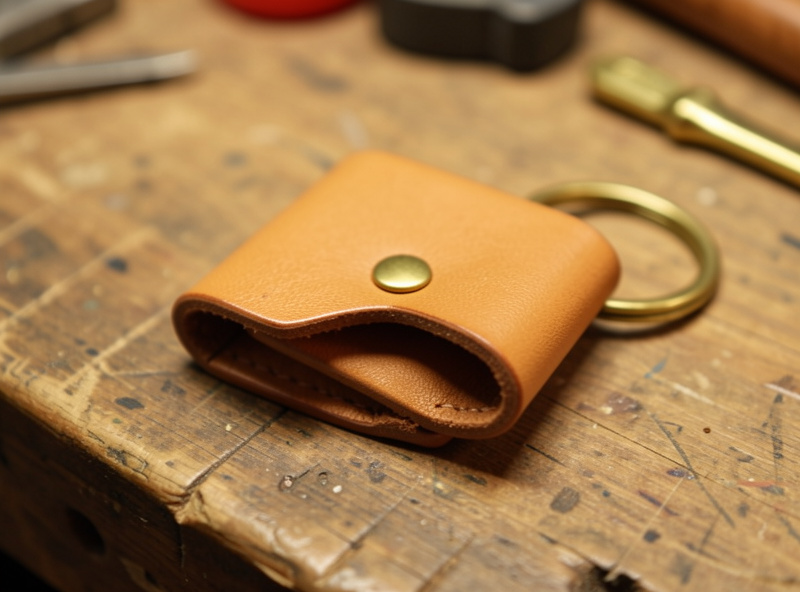
Bookmark: Even simpler, a shaped strip with beveled and slicked edges. No hardware, no stitching, pure edge-finishing practice, which is the skill most beginners under-develop. A weekend spent making five bookmarks will do more for your edges than any tutorial.
Luggage or bag tag: A small panel, a window or slot, a strap, and a buckle or snap. Introduces a slot punch and a fastener while staying tiny. A great place to try stamping your initials, too.
Projects Worth a Full Weekend
These take both days and step up to real construction, two layers, longer seams, sometimes a lining. They are still finishable, just not in an afternoon, and the jump in satisfaction is real.
| Project | Rough time | Skills it builds |
|---|---|---|
| Key fob | 1-2 hours | Cut, punch, rivet, edge finish |
| Bookmark | 1 hour | Edge bevel, sand, slick, wax |
| Luggage tag | 2-3 hours | Slot punch, fastener, stamping |
| Card sleeve | Half a day | Two-layer saddle stitch, fit |
| Simple cuff/bracelet | Half a day | Snap setting, dye, finish |
| Notebook cover | Full weekend | Measuring to fit, longer seams, wrap allowance |
| Coaster set | Full weekend | Repeatable cutting, batch edge finishing |
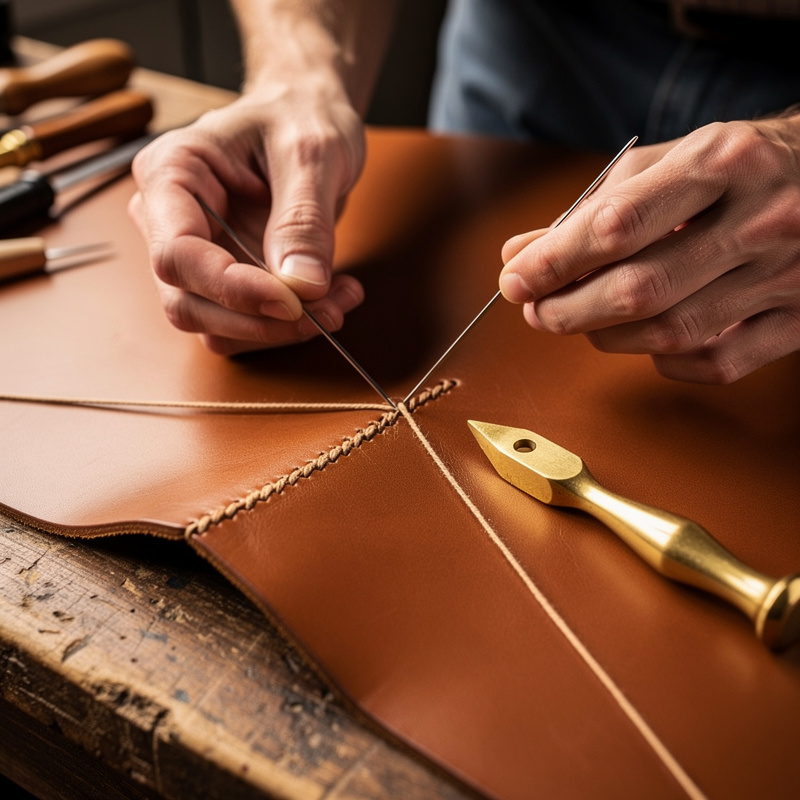
Card sleeve: Two small panels saddle-stitched along three sides. Your first real two-layer seam, short enough to finish without your hand cramping, and genuinely useful the moment it is done. This is the project where saddle stitching finally clicks for most people.
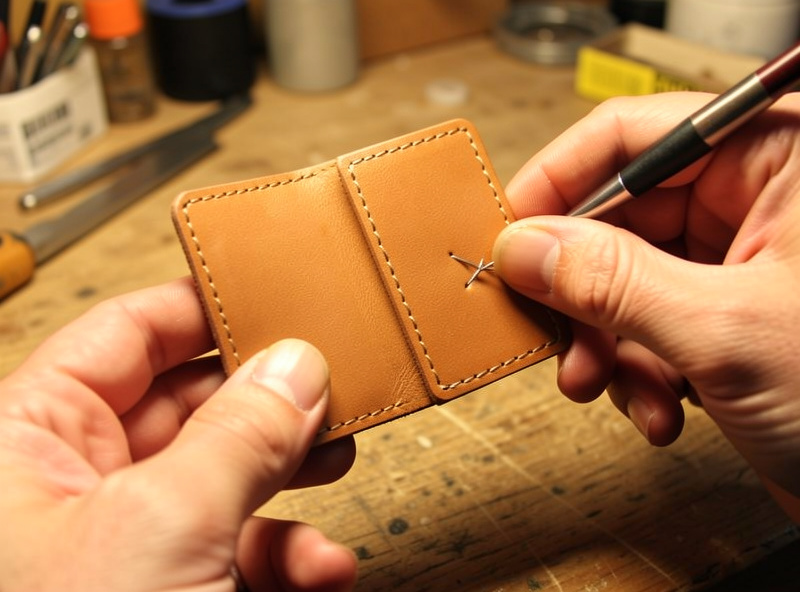
Notebook cover: The most ambitious weekend piece, because it must be measured to fit a specific notebook and involves longer seams and a wrap allowance. Finish one and you have made the leap from trinkets to functional goods.
Coaster set: Deceptively good practice, because making four matching coasters forces repeatable cutting and batch edge finishing, the exact skills that separate a maker who can produce consistent goods from one who gets lucky once. Cut them from a template so they match, then finish all the edges in one session to build rhythm.
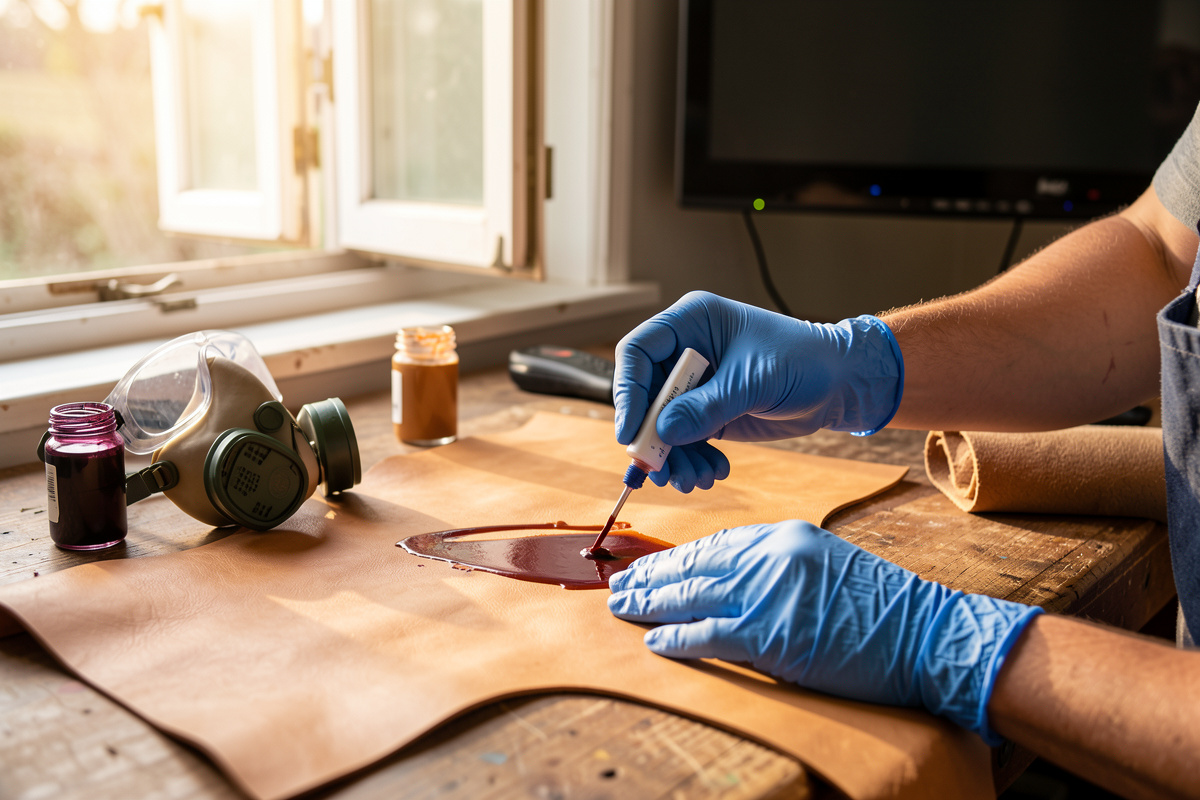
Simple cuff or bracelet: A strip sized to the wrist, a snap or two, and a chance to try dyeing on something small. Because the surface is small and visible, it is a forgiving place to learn even dye coverage and a clean snap setting before you risk either on a larger piece.
A Smart Weekend Sequence
If you want these projects to actually teach in order, do them roughly as listed: bookmark first for pure edge work, then a key fob for hardware and a short stitch line, then a card sleeve for your first real two-layer seam, then a notebook cover for fit and longer seams. Each one assumes the skill the last one taught, so by the time you reach the notebook cover you are not learning four new things at once, you are combining four things you have already done.
That sequencing is the difference between weekend projects that build on each other and a random pile of half-learned techniques. I still think in this order when I teach someone at the bench: isolate a skill on a tiny piece, then combine skills on a slightly bigger one. A weekend is the perfect unit for one rung of that ladder.
Disclosure: LeatherCraftHaven is reader-supported. As an Amazon Associate I earn from qualifying purchases made through links in this article, at no extra cost to you. I only point to gear I actually use or would buy for my own bench.
What You Need on Hand
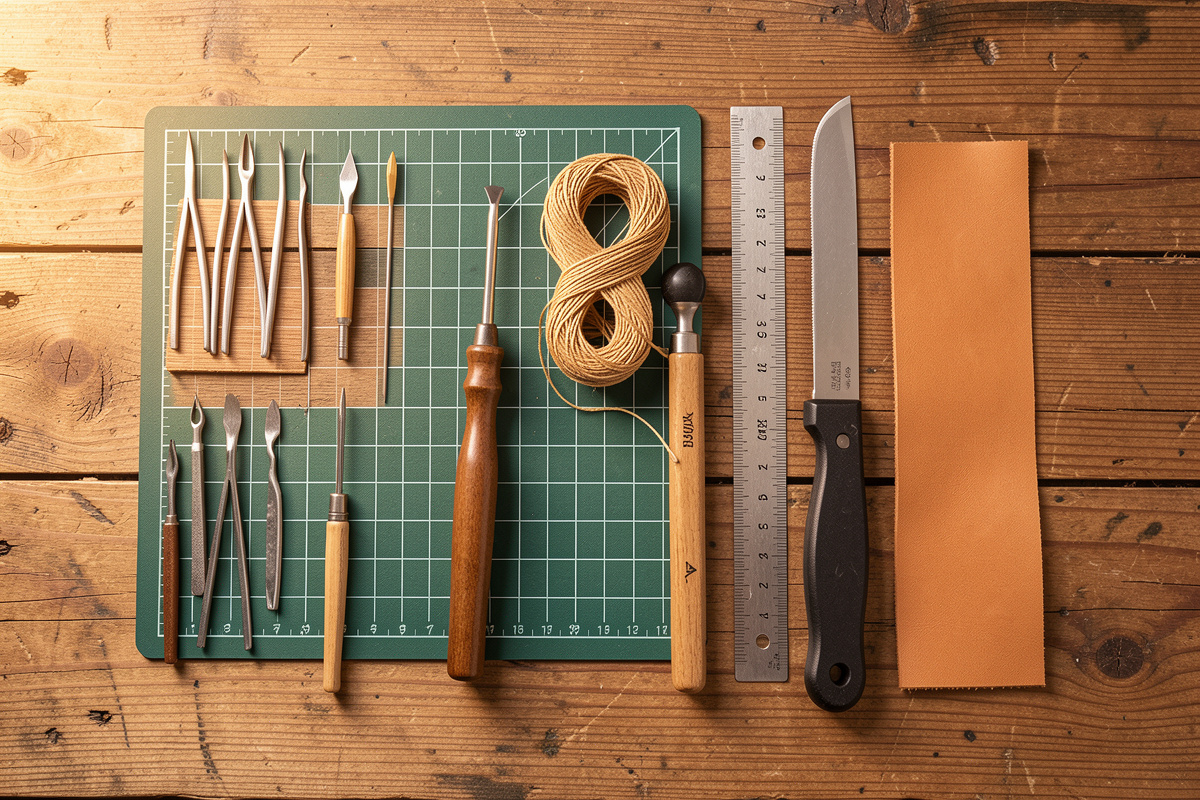
The whole point of a weekend project is that it does not wait on a shopping trip. Keep the basics stocked: scrap veg-tan, a few rivets and snaps, key rings, thread, and your core tools. A small assortment of rivets and snaps kept in a drawer means a free Saturday turns straight into a finished fob or cuff instead of a delayed plan.
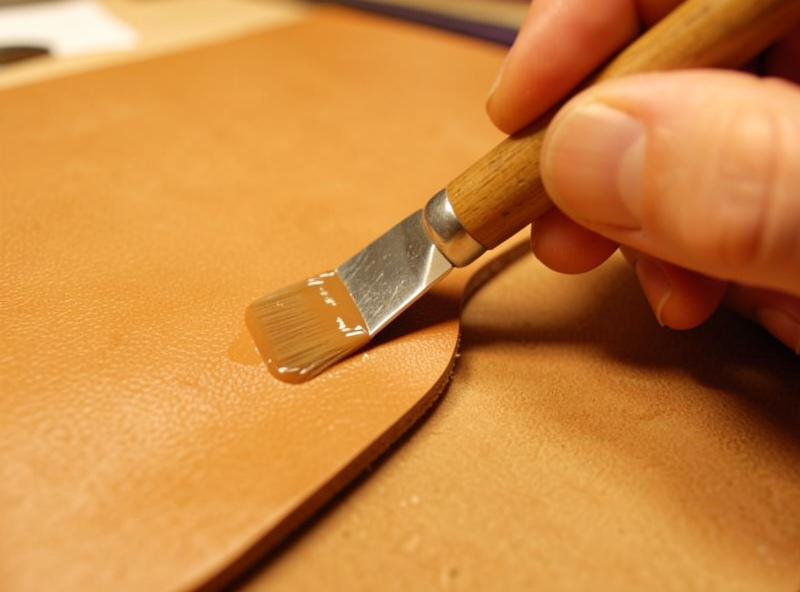
Beyond hardware, the only thing a weekend project really demands is a finished edge, because that is what makes a quick piece look made rather than rushed. A little Tokonole and a slicker turn a one-hour fob from “obviously homemade” into something you would actually carry. Spend the last twenty minutes of any weekend project on the edges; it is the highest-return time in the whole build.
Where Weekend Projects Go Wrong
Even small projects have a few traps that turn a satisfying afternoon into a frustrating one. The first is starting without a finished plan, including the hardware. Discovering mid-build that you are out of the right rivet length, or that your snap and your setter do not match, stalls the whole thing. Lay out every tool, fastener, and the leather before you cut, the way you would prep ingredients before cooking.
The second trap is rushing the cut to get to the fun part. A fob or sleeve cut crooked stays crooked through every later step, and no amount of careful stitching rescues a wonky panel. The cut is two minutes; spend them. The third trap is skipping the edge because the piece is small and you are nearly done, which is exactly the moment a quick project announces itself as homemade. The edge is the finish line, not an optional extra.
The last one is sizing by guess. A cuff that does not fit the wrist, a notebook cover a few millimetres too tight, a card sleeve that grips too hard, these come from skipping the measure-and-mock-up step that even a one-hour project deserves. Thirty seconds with a ruler or a quick paper fold saves the whole piece.
Building a Habit, Not Just a Pile
The real value of weekend projects is cumulative. Each finished piece is a complete rep of the core skills, and ten finished small goods teach more than one abandoned big one. I still default to small, finishable projects when I want to test a new dye, a new edge compound, or a stitch I have not tried, because the fast complete loop is the best way to learn anything in this craft. Build the habit of finishing, and the ambitious projects become reachable on their own.
There is also a giving side to this that keeps the habit alive: small finished goods make genuinely good gifts, and nothing motivates a clean edge like knowing someone will actually carry the thing. A batch of key fobs or coasters made over a weekend covers a year of small presents, and each one is another rep. The pile of practice pieces stops being clutter and becomes a reason to keep building.
Keep Building
- Leather Working for Beginners: A Complete Starter Guide
- Leather Projects for Beginners: The Right First Three Builds
- How to Make a Leather Card Holder (Slim Wallet Pattern)
- Leathercraft Startup Cost: What You Actually Need to Spend